Protecting Water and Fire Systems from Pest Activity
Facility managers must prioritize pest prevention strategies and routine inspections to eliminate sanitation and electrical fire risks in their buildings. July 29, 2026
By Elaina Myers, Assistant Editor
Key Takeaways:
- Moisture, poor drainage and concealed utility spaces create ideal conditions for pests that can threaten critical water, electrical and fire protection infrastructure in commercial buildings.
- Routine inspections, moisture control and sealing pest entry points are essential preventive measures that help facility managers reduce infestations before they disrupt operations or damage building systems.
- Partnering with professional pest management providers through a regular inspection program enables facilities to identify hidden infestations early and better protect critical infrastructure from costly damage.
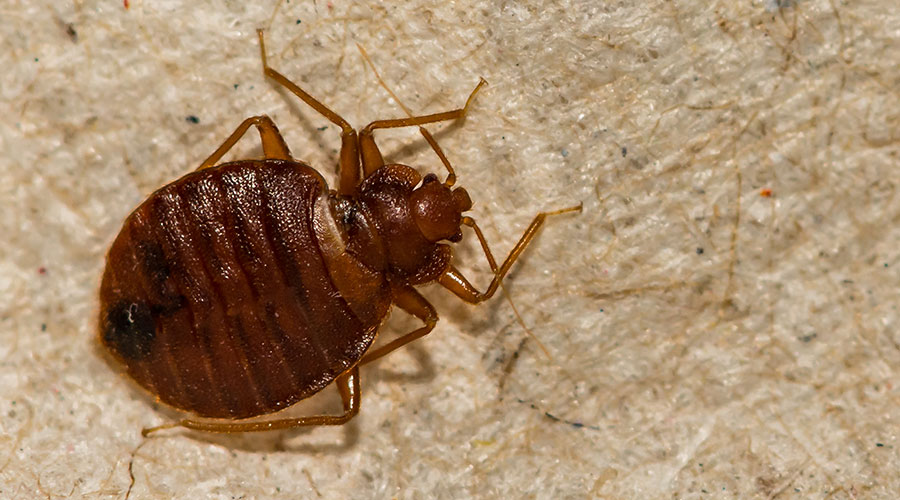
When facility managers think about protecting critical infrastructure, pests may not be the first risk that comes to mind. Yet rodents, cockroaches, flies and other less common pests cause more than $5 billion in damage to U.S. homes and businesses each year, according to the National Pest Management Association, and that figure does not include the added cost of emergency repairs and operational disruptions when infestations affect water and fire protection systems.
Water systems often play a central role in attracting pests. Excess moisture and poorly maintained drains create ideal conditions for infestations.
“Most pests that we manage are driven in some way, shape or form by moisture levels across the board,” says Nic Ellis, board certified entomologist at Western Pest Services. “In commercial buildings, there's a lot of plumbing running through walls and ceilings, and there are a lot of opportunities for these pests to thrive if there’s a compromise in that system.”
While pests rarely contaminate potable water lines directly, wastewater systems and sewer connections are another story. Cockroaches, rats, flies and other less common pests can inhabit these areas before moving into occupied spaces, where they can spread contaminants to higher-traffic areas.
Facility managers can reduce pest pressure on water systems by eliminating excess moisture and pest access points, Ellis says. This includes ensuring floor drains are regularly flushed and installing drain seals or one-way valves in low-use areas.
Facility teams should also recognize that pest problems often begin in the least-visited parts of a building.
“Mechanical rooms, sprinkler control rooms or IT closets are places that are undisturbed and usually don’t have a lot of human traffic,” Ellis says. “Mice, especially, will exploit that and move between the levels of a building through those types of spaces.”
Although damage to electrical infrastructure is less common than sanitation concerns, it remains a serious risk. Rodents are known to chew wiring, particularly in concealed utility spaces, causing electrical fires and other critical system failures that lead to power outages and short circuits.
To control this problem, facility teams can seal all pipe penetrations with fire-related sealants that also block pest entry and ensure that sprinkler control rooms remain dry and free of standing water, Ellis says. Where electrical components are present, bundling and protecting exposed wiring in sealed conduit systems can reduce the likelihood of rodent chewing.
Because many fire protection systems are housed in mechanical or sprinkler rooms, facility managers should include these spaces in routine inspections. Ellis stresses that pests frequently travel through hidden pathways rather than open floor space. Ceiling voids and wall cavities can allow rodents to move throughout an entire building without being seen, making it crucial to have a pest management professional inspect these parts of facilities.
“The sooner we identify and characterize the nature of the infestation, the sooner we can get control of it,” Ellis says.
Ellis recommends that every commercial facility maintain a regular inspection schedule.
“At a minimum, any type of business, regardless of what their business is, should have some kind of monthly rodent control and inspection program in place,” Ellis says. “This cannot be a DIY proposition. To protect critical water and fire infrastructure in a building you need people who know what they are doing and can look at a situation, and not just see what’s obvious, but also see what’s not obvious.”
Elaina Myers is the assistant editor of the facilities market. She has covered various topics from pest management to resilience to sustainability and is the beat writer for special days. She also manages the FacilitiesNet social media accounts.
Next
Read next on FacilitiesNet