AI Adoption Starts with Leadership, Not Technology
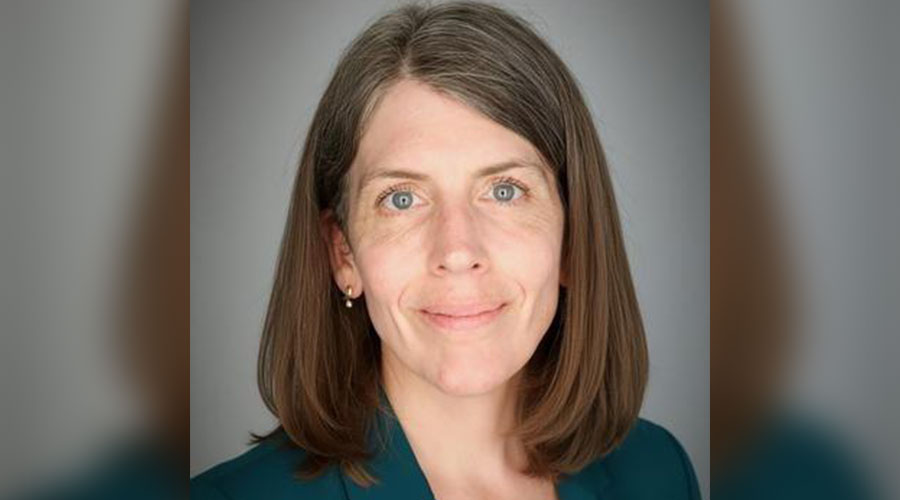
Gretchen Catlin of the University of Maine System explains why readiness and open conversations are essential for helping facility teams adopt AI responsibly and effectively. July 29, 2026
By Jeff Wardon, Jr., Assistant Editor
Key Takeaways:
- Successful AI adoption in facilities management starts with assessing organizational readiness, understanding employee needs and establishing clear governance before implementing new tools.
- The University of Maine System found that peer support, open conversations and AI champions were essential to building confidence and encouraging responsible, practical use of AI across the organization.
- Facility leaders should view AI as an ongoing organizational change initiative that requires trust, collaboration and strong leadership — not simply a technology deployment.
As artificial intelligence becomes more common in facilities management, many organizations are eager to explore its potential but unsure where to begin. Gretchen Catlin, chief facilities and general services officer for the University of Maine System, shares lessons from her institution’s AI journey, including why organizational readiness, peer support and strong governance are just as important as the technology itself.
This and more will be explored in the session “The Facility Leader’s Guide to AI Integration” that Catlin will be hosting at NFMT West in Las Vegas from November 3 to 4.
FN: Many facility managers are interested in AI but aren’t sure where to begin. What are the first steps organizations should take to assess whether they're ready to integrate AI into their facility operations?
Gretchen Catlin: I think one of the first steps is recognizing that AI adoption isn’t just a technology decision, it’s an organizational readiness challenge.
One of our biggest lessons learned was that we couldn’t assume we understood where people were in their AI journey. Like many organizations, we initially thought that if we simply provided access to the tools and offered training, adoption would naturally follow. What we learned, though, is that while tools and training are necessary, they're not sufficient on their own.
We needed to pause and ask better questions. Where are our employees, students and faculty in their AI journey? What tools are they already using? How confident do they feel using AI? What concerns do they have, and where do they see opportunities for AI to improve their work?
That shift from assuming to listening helped us better understand organizational readiness. It allowed us to move beyond simply providing tools and training to creating the support, conversations and guardrails needed for responsible AI adoption.
For organizations just beginning their journey, I’d recommend starting with a readiness assessment. Understand current AI usage, people's comfort level, their concerns and where they see opportunities before deciding what tools or training are actually needed.
From there, identify practical use cases where AI can address real operational challenges. In facilities organizations, there are plenty of opportunities, and they don’t have to be complex. AI can help with meeting documentation, drafting communications, summarizing reports, reviewing documents and identifying trends.
Finally, it’s important to establish guardrails early so people understand which tools are appropriate, what information can and cannot be entered into AI systems, and what level of human review is expected.
The goal isn't simply to introduce AI tools. The goal is to create the conditions where people can use AI confidently, responsibly and effectively.
FN: The University of Maine System serves as a real-world example of AI implementation. What lessons from that experience can other facility organizations apply when it comes to managing risks, preparing staff and building confidence in AI adoption?
Catlin: One of our biggest lessons learned is that AI adoption doesn't happen automatically. It’s easy to assume that if you give people access to AI tools and offer training, they'll naturally start using them. What we learned is that adoption is much more complex.
Our AI journey really accelerated when we realized adoption had already begun, but it was happening at different levels across the institution. Employees and faculty were already using a variety of publicly available AI tools to support their work and learning. In many cases, it was happening organically, without a shared understanding of expectations, risks, or best practices.
That realization shifted our approach. Instead of asking, “How do we get people to use AI?” we started asking, “How do we support the responsible use of AI that's already happening?”
That meant focusing on three key areas: readiness, conversations and governance.
First, we needed to understand where people were in their AI journey. Our readiness assessment helped us gauge familiarity with AI tools, confidence levels, overall sentiment, concerns and where people saw opportunities for AI to improve their work. It also helped us understand concerns about issues like AI replacing jobs.
The second lesson was the importance of making AI part of regular conversations. We were already seeing different levels of adoption across facilities management and general services, so our leadership team began incorporating AI into our standing meetings. We asked questions like: How are you and your teams using AI? Where is it improving efficiency or accuracy? What challenges are you encountering? What support do you need?
Those conversations were incredibly valuable because they normalized AI adoption. They helped people understand they weren’t expected to have all the answers and that we were learning together as an organization.
We also learned that sharing challenges is just as important as sharing successes. If we only talk about AI’s exciting possibilities, people who are struggling may feel like they’re falling behind. Creating a culture where people can openly discuss what's working — and what's not — allows the entire organization to learn together.
Another important lesson was helping people understand that if an AI tool isn’t working for a particular task, it’s okay to step away from it. We didn't want AI to become a barrier to progress; it should facilitate progress. Instead, we encouraged people to bring those examples to our AI champions so they could work through the problem together.
That reinforced another lesson: peer support really matters. Leaders can encourage AI adoption, but people often want to hear from colleagues who do the same work they do. For example, a custodian is much more likely to ask another custodian, “How can AI actually help me?” than to ask a senior leader. That’s why we incorporated AI champions into our approach.
Those champions don’t have to be technical experts. They’re trusted colleagues who understand the work, are willing to experiment and can help translate AI from an abstract concept into practical, day-to-day applications.
Ultimately, AI isn't something an organization does to its employees. It’s something an organization learns together.
FN: What do you think will be the most important takeaway from your session?
Catlin: The biggest takeaway I hope people leave with is that AI adoption is fundamentally a leadership challenge, not just a technology challenge.
The technology will continue to evolve, but the leadership questions remain the same. How do we prepare our workforce? How do we build trust? How do we protect institutional data? How do we ensure equitable access? And how do we measure whether we're creating real value?
My goal isn’t to tell organizations which AI platform they should use. My goal is to provide a practical framework that helps leaders create the conditions where people can adopt AI responsibly, confidently and effectively.
The most important shift is moving from thinking about AI as simply a tool to thinking about it as an ongoing organizational conversation. Talk about it. Share experiences, successes and challenges. Learn from one another.
That’s how organizations build the trust and confidence needed for responsible AI adoption.
To learn more about successfully implementing AI, be sure to check out Catlin’s session at NFMT West 2026 this November. Register for West here.
Jeff Wardon, Jr., is the assistant editor for the facilities market. With more than three years of experience, he covers topics including technology, wellness, sustainability and emerging industry trends.
Next
Read next on FacilitiesNet