ADA Compliance Isn't Gone: What Facility Managers Must Know
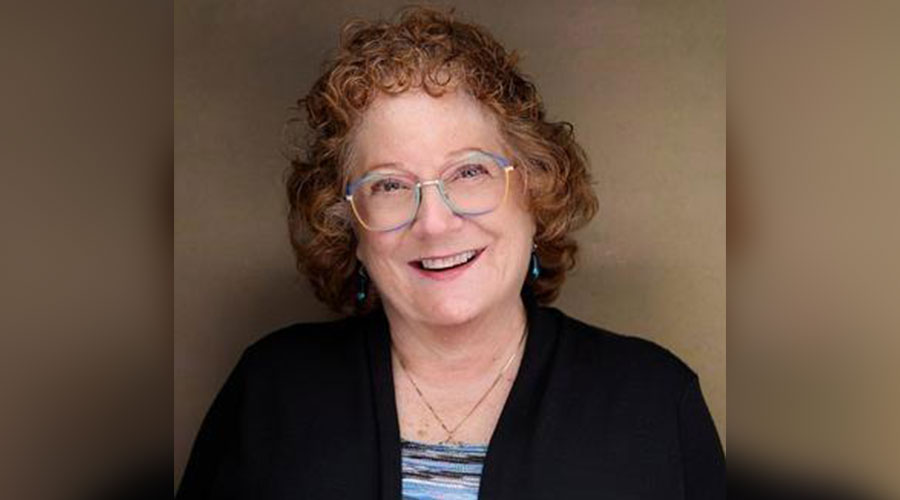
With ADA litigation continuing despite regulatory uncertainty, Joan Stein explains why facility managers should act now. August 12, 2026
By Jeff Wardon, Jr., Assistant Editor
Key Takeaways:
- Facility managers should proactively identify and remove accessibility barriers across their sites and digital channels, because litigation can continue even where enforcement or specific regulations are limited.
- Accessibility investments reduce legal and injury risks while helping organizations serve — and retain — a growing market of customers, employees and visitors with disabilities.
- Treat ADA compliance as an ongoing business priority: assess facilities, address barriers during renovations, use qualified experts and communicate accessibility improvements publicly.
The Americans with Disabilities Act (ADA) is still the cornerstone of accessible design in commercial and institutional facilities. Litigation around the matter has also risen alongside new, enforceable regulations for public sidewalks, websites and other areas that were uncovered prior. Facilities managers must be equipped not only to comply with regulations but also to circumvent and mitigate potential legal issues.
Joan Stein, president at Stein Consulting LLC and longtime NFMT speaker, will discuss what facility managers should know about ADA compliance and barrier removal in her session "So You Think the ADA Went Away? It Didn’t" at NFMT West in Las Vegas from November 3 to 4.
FN: With ADA litigation increasing and new regulations expanding to areas like sidewalks, websites and transportation, what are the biggest compliance challenges facility managers should be preparing for today?
Joan Stein: As far as regulations expanding, in the current administration, literally nothing is happening. What the current administration has done is tie the hands of the enforcement agencies.
The Department of Justice, which is the federal agency that enforces the ADA in all but the employment aspects, is not focusing on disability discrimination. They’re focusing on other things. The EEOC, which oversees and enforces employment, is basically doing the same thing.
That doesn’t mean people won’t file litigation, both in terms of public rights of way and sidewalks and, of course, the ADA.
Now, for facility managers, let’s drill down from the 30,000-foot level to the two feet in front of you — no pun intended.
The public rights-of-way regulations are primarily relevant to municipalities and local governments because they regulate streets, public sidewalks and so forth. For facility managers, their primary obligations remain within the confines of their site, except that they’re obligated to provide an accessible path of travel from public sidewalks and public transit stops. They’re not necessarily obligated to monitor, renovate or mitigate barriers on the sidewalks themselves unless those sidewalks are part of the path of travel to their site.
So what facility managers need to focus on is what they’ve been doing.
Websites are a big issue. The current administration has postponed adoption of regulations for websites, but that has not stopped litigation at all. The litigation will continue, and it will continue to rise, particularly for websites, because these are very easy cases to file.
The fact that there still isn’t an enforceable regulation has not stopped any of this litigation.
What facility managers need to do is get the attention of the C-suite and the decision-makers responsible for their websites, social media, online ordering and all of that, because it’s a huge issue. There have been a number of lawsuits involving websites where an organization doesn’t even have brick-and-mortar stores. So, a lack of a brick-and-mortar presence is not protection from website litigation.
And once they get the attention of the powers that be, they need to make sure they hire someone or a business that knows what they’re doing. My advice has always been, and will continue to be, keep your efforts going. If you haven’t done it yet, do it. Start as soon as you can. Because the best defense against a letter from a lawyer saying, “This is a demand for settlement, and your facility, website or streets are not compliant,” is to not simply say, “OK, Uncle.” You want to have somebody look at it who is objective and professional and then start a plan.
For anything that’s been in existence, the ADA has a very important provision called readily achievable barrier removal. For an existing facility, it essentially means do what you can, when you can and when you can afford it.
That used to carry a lot more weight post-1992, which was last century. If you’re a large organization and you haven’t done anything to create accessible parking, make an accessible entrance or even make accessible restrooms 36 years later, it might be a little difficult to argue that you can’t afford it.
And be extremely careful because if you have done anything in your facilities — if you’ve resurfaced, remodeled or made any updates or renovations that have affected the function of your spaces — you had an obligation to do barrier removal on the path of travel to it.
The issue is: Keep doing what you’re doing. If you have not yet paid attention to the ADA, it’s time to wake up and smell the coffee. The bottom line is you want to be in control of the process. So start. First and foremost, take a look at what you have and identify obvious barriers.
You don’t need a professional at the very first step to tell you, “Hey, those steps are an ADA barrier.” Any change in level greater than a half-inch is a barrier.
Walk your parking lot. Walk your sidewalks. Are there cracks? Are there roots coming up from trees? Anything that makes you drag your feet? If you trip, it’s a problem. Because if you trip, somebody else is going to trip and fall, and you’re going to have a personal injury case on your hands. And personal injury makes ADA look like a day at the beach.
FN: Beyond avoiding lawsuits and meeting regulatory requirements, what are the long-term operational and organizational benefits of investing in accessibility and inclusive facility design?
Stein: Customers and employees — when you open your doors, you are opening them to the world.
First and foremost, people with disabilities represent the single fastest-growing minority in this country. That includes people who are born with disabilities, people who acquire disabilities through accidents and people like me. I’ll be 71 in two days. I have trouble walking, I have vertigo and I use a cane.
I’m not only an active, vibrant, paying customer; I also have people within my sphere of influence. The disability community, including seniors, has money to spend. So make your facility accessible.
Unfortunately, I could walk into almost any newly built or newly renovated space and, within the first three minutes, find a number of ADA barriers. I attribute that to a whole host of people who aren’t doing the smart thing or the right thing. It may be design professionals who say, “I pay attention to codes.” Well, the ADA is a code. It’s part of the building code. It could be a code official who pays attention to everything else and blows off the accessibility requirements. Or it could be an owner who says, “I don’t want to spend the money.”
If you’re a design professional and an owner says that, get it in writing. Because when the lawsuit happens, everybody will be involved in that complaint. If it costs more at the beginning — and sometimes it does — chalk that up as an investment in the future of the organization. It can improve your sales and other business efforts, and it can help you defend against lawsuits.
Thirty-four years ago, when I met with my first client, the general manager of a very large, multibuilding office facility in Pittsburgh, the first thing he asked me was, “Can you prevent me from being sued?”
I said, “Nobody can prevent you from being sued. But if you do what I tell you to do after I’ve done this inspection, I will be on the witness stand for you if you get sued.”
When you do it and you do it right, you become very defendable. And don’t wait until somebody sends you a demand letter. People with disabilities have been waiting a very, very long time. An employee of mine many years ago used to say, “36 years was a long time to wait to cross the street.”
Don’t lock people out. Welcome them.
And when you make those changes and have an accessible facility, sing it from the rooftops. Market it. Put it on your website and in your advertising. Put a sign on the front window. Let people know.
People with disabilities have to be the best planners in the world. If you or I decide, “I want to go to dinner tonight. I want to try this new restaurant,” we just go. We don’t have to worry about whether we can get in, whether we can sit at a table or whether we can use the restroom.
When you have a disability, you have to think about all of those things. You call the restaurant and ask, “Are you ADA compliant? Are you accessible?” They say, “Oh, sure, absolutely.” Then you get there and find out there’s one step to get in. Or their definition of accessible is, “Yeah, we have a bus stop at the corner.”
Now you’re stuck. You can’t get in. And if you get in, you can’t use the restroom.
Not only has that restaurant lost that customer, but they’re probably going to tell everybody they know. And now, with social media, that can catch on like wildfire. So make the investment. Make the smart investment.
I have a tagline for my business: ADA compliance is the smart thing to do, the right thing to do and the law. If you only want to pick one of those reasons to do it, go ahead. But those are three very good, legitimate business reasons.
FN: What do you think will be the most important takeaway from your session?
Stein: I hope what I’ve said excites the participants to go back and do something.
I’ve been doing NFMT for however many years it’s been. I came in the second year, and I learn from the participants every session I do.
I facilitate the conversation because, yes, I’m the expert at the front of the room — but when participants share with each other what they’ve done and what they’ve been through, everybody learns. And sometimes the biggest problems wind up being the best lessons.
They learn from each other, they accept advice from their peers, and I learn from them. That’s why I love these sessions. When I first started, I’d get maybe four people showing up, and they’d say, “But you’re from the ADA. You’re going to report us.”
I’d say, “First of all, I’m not from the ADA. I’m not from the Justice Department. And second, the people who don’t show up are the problem, not you guys. You want to learn, and that’s important.”
So what I hope they take away is some energy and empowerment to go back and say to anybody who has been thwarting their efforts, “Why would we lock people out? Why would we kill our business? Why would we lock out qualified employees or volunteers?”
There are more than 64 million Americans who have reported needing assistance with daily activities such as dressing, bathing, walking and hearing. And that number is going to grow.
I’m a baby boomer. We’re not aging gracefully, trust me. We’re going to yell and scream and kick and hammer and holler. But the end result is, the money, time and effort you invest in accessibility will give you a good return on your investment.
To learn more about ADA compliance, be sure to check out \Stein’s session at NFMT West 2026 this November. Register for West here.
Jeff Wardon, Jr., is the assistant editor for the facilities market. With more than three years of experience, he covers topics including technology, wellness, sustainability and emerging industry trends. Connect with him on LinkedIn.
Next
Read next on FacilitiesNet