Looking Beyond the Basics of Energy Conservation
Timothy Unruh of NAESCO explains how facility managers can uncover new savings by exploring overlooked energy conservation measures and creative financing strategies. August 5, 2026
By Jeff Wardon, Jr., Assistant Editor
Key Takeaways:
- After completing traditional energy upgrades, facilities can unlock additional savings by evaluating overlooked measures such as advanced controls, insulation, demand-controlled ventilation and other building performance improvements.
- Successful implementation of advanced energy strategies depends on having trained staff, trusted technical partners and a clear understanding of how new technologies align with a facility’s operational goals.
- Combining internal capital, energy savings, rebates, incentives and energy performance contracts can help facility managers overcome financing barriers and maximize the return on investment for advanced energy projects.
Many facilities have already captured the biggest energy savings through lighting, HVAC and equipment upgrades. The next wave of efficiency often comes from less obvious improvements — from advanced controls and insulation to innovative financing approaches.
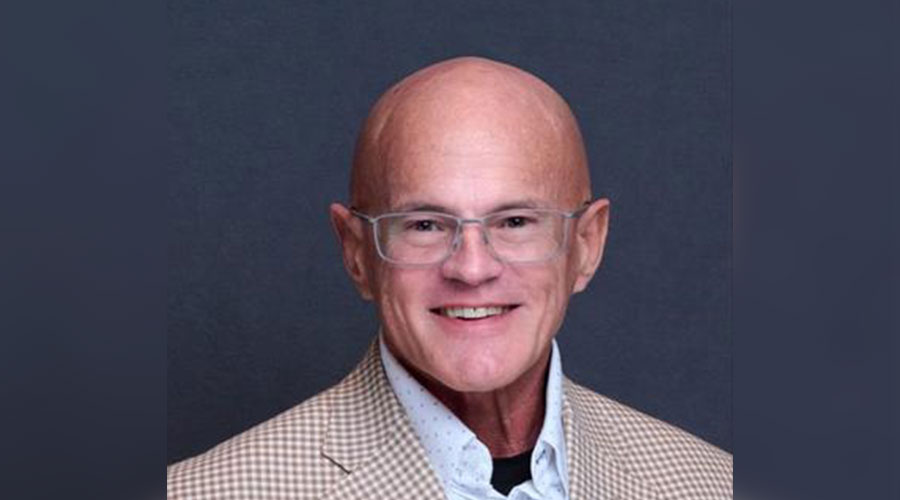
Timothy Unruh, executive director of National Association of Energy Service Companies (NAESCO), will discuss this and more in his session “Need-to-Know Energy Conservation Measures for Savings and Performance” at NFMT West in Las Vegas from November 3 to 4.
FN: Many facilities have already implemented traditional energy conservation measures like lighting and HVAC upgrades. What factors should facility managers consider when deciding it’s time to expand into more advanced energy strategies?
Timothy Unruh: A lot of facilities have already completed the obvious upgrades and are asking, what else can I do? That’s where you start looking at more advanced or what I call “miscellaneous” energy conservation measures (ECMs). Sometimes we even call them the forgotten measures because they often get overlooked.
But before you start thinking about advanced energy strategies, the first thing you need to think about is your facility staff.
Consider the training they’ll need and whether they’re willing to embrace new energy management strategies that may require them to learn something new or operate the building differently. I know FacilitiesNet represents a lot of facility maintenance professionals, and there’s a wide range of people in those roles. Some are eager to adopt new technologies, while others are more hesitant. That’s probably the very first thing you need to evaluate.
If you’re ready to move beyond the standard measures — replacing boilers, chillers, rooftop units, lighting and so forth — you might start looking at advanced lighting controls, more sophisticated control strategies, carbon dioxide-based demand-controlled ventilation, daylight harvesting or even solar panels and microgrids that provide additional control and backup capabilities for your facility.
Before implementing any of those, though, you need to make sure your staff has the training and support to manage them successfully.
The second thing to consider is your funding streams. As you move beyond traditional energy conservation measures, you’re often investing in improvements that enhance the facility, not just reducing energy consumption.
Because of that, it can be difficult to justify these projects based solely on energy and operational savings. In many cases, the best approach is a hybrid one, where part of the project is funded through capital improvements and part is supported by the energy savings it generates.
Those are the two primary things I’d focus on: first, your staff’s willingness and training to adopt new energy conservation measures, and second, identifying the right funding approach to make those projects feasible.
FN: How can facility managers evaluate which high-impact energy conservation measures — such as combined heat and power, geothermal systems or water conservation initiatives — are the best fit for their buildings and long-term operational goals?
Unruh: It really comes back to the facility manager’s skill set. Do they have the technical background to perform this kind of analysis and fully understand the results? In many cases, the answer is probably no, and that’s okay. They’ll likely need to rely on an outside consultant for support.
That’s exactly what my industry — the energy service company (ESCO) industry — is designed to do. We perform the analysis and provide the technical expertise facility managers need. There are also owner’s representatives who can provide similar assistance.
The key is finding the right partner to help with the evaluation. But don’t expect that partner to simply hand you the answers. Make sure they take the time to explain how they arrived at those conclusions. They should walk you through the process, the technology and how they’ll evaluate the energy savings and the impact on your facility.
That’s important because facility managers will likely need to present the project to leadership and explain the justification, the expected outcomes and why the investment makes sense to secure funding and approval.
So, my recommendation is to find a trusted partner, and I’d recommend working with an energy service company because they bring a full range of technical capabilities and have extensive experience conducting this type of analysis for facilities like yours.
FN: Financing is often one of the biggest barriers to larger energy projects. What funding strategies or project delivery approaches can help facility managers implement advanced energy measures while demonstrating a strong return on investment?
Unruh: The first thing you need to do when you’re thinking about financing is to figure out what funding you already have available.
Just like we talked about with larger projects such as combined heat and power or geothermal systems, finding the right partner can help you identify different funding pathways. But before you look externally, you should look internally and ask, what funds can I contribute to this project?
We’ve learned that when you combine your own capital with energy savings, you can often achieve a 1.4- to 2.1-times multiplier on that investment. If you spend a dollar from your own budget, you get a dollar’s worth of work. But if you combine that same dollar with a performance-based savings contract, it can potentially generate two dollars’ worth of improvements. That’s why it’s important to understand what resources you already have available.
The second step is identifying rebates, incentives, grants and other funding opportunities. There may be utility rebates, local incentive programs or federal tax credits that can help offset project costs. There are a lot of different funding sources, and a knowledgeable partner can often help you identify the ones that apply to your project.
If you’d rather do some of that research yourself, there’s a resource called the DSIRE database that provides information on incentives and programs available in your area.
The third step, in my opinion, is to bring everything together through an energy performance contract. That allows you to combine energy savings, operational savings, rebates, incentives and your internal budget into one comprehensive project. When you create that kind of financing package, you can leverage your own investment along with incentive dollars and future savings to accelerate building improvements well beyond what any one funding source could accomplish on its own.
FN: What do you think will be the most important takeaway from your session?
Unruh: Our session is focused on energy conservation measures that aren’t the traditional ones like boilers, chillers, lighting and other major equipment. Instead, we’ll look at some of the overlooked opportunities — things like window film, insulation and other improvements that often seem too simple to make much of a difference.
A lot of times we brush those measures aside because we think we already understand them or assume they won't have much impact. But when you actually evaluate them, you often find there’s a real opportunity.
For example, you may discover that your building’s kitchen refrigeration could benefit from better controls. Or there may be opportunities to implement advanced lighting controls that improve not only energy performance but also how the building operates. You might even identify indoor air quality improvements through enhanced filtration or certain lighting technologies.
There are a lot of these overlooked strategies, and my session is designed to introduce some of those ideas and highlight the newer technologies and approaches we're seeing incorporated into energy projects today.
To learn more about creative energy conservation, be sure to check out Unruh’s session at NFMT West 2026 this November. Register for West here.
Jeff Wardon, Jr., is the assistant editor for the facilities market. With more than three years of experience, he covers topics including technology, wellness, sustainability and emerging industry trends. Connect with him on LinkedIn.
Next
Read next on FacilitiesNet