From the Trades to Airport Leadership: Doug McMahan's Journey
How a foundation in the construction trades and a people-first leadership approach paved the way from hands-on maintenance work to overseeing airport operations.
By Jeff Wardon, Jr., Assistant Editor
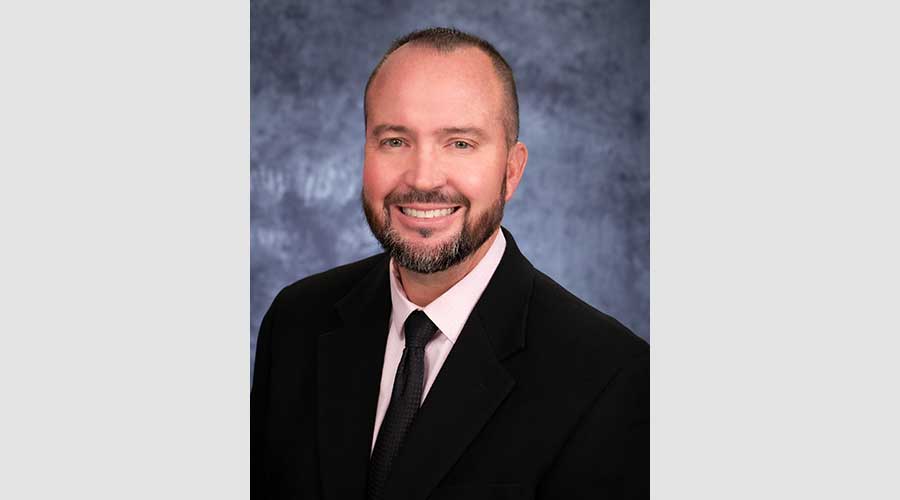
Doug McMahan is a Las Vegas native and has spent more than 30 years with the Clark County Department of Aviation, working his way through five different airport divisions. He serves as senior director of aviation, overseeing facilities and maintenance, airside, landside and terminal operations, and risk management, which includes safety, environmental and sustainability. His role brings together decades of operational, technical and leadership experience to help keep one of the nation's busiest airport systems running safely and efficiently.
What made you pursue a career in facilities management?
My career started in the construction and industrial trades, where I learned firsthand how critical infrastructure is built, maintained and repaired. Working with structural steel fabrication and heavy construction equipment sparked an interest in solving technical problems and ultimately led me into facilities management at the airport.
What was your first job in the field, and how did it shape your career?
I began working in structural steel manufacturing, where I not only operated heavy equipment but also learned to maintain and repair it. I later moved into construction supervision while pursuing a degree in applied science. Those early experiences taught me that understanding how systems work and how they fail is invaluable.
How long have you held your current job, and what are your responsibilities?
I’ve served as senior director of aviation for two years after more than a decade leading the facilities and maintenance division. I oversee approximately 900 employees across the airport system’s technical and operational divisions.
No two days are the same. My role ranges from setting strategic direction and approving budgets to working with division leaders, airline partners and stakeholders on operational priorities. One of the things I enjoy most is still being able to draw on my facilities background to help solve complex infrastructure challenges, improve asset management strategies and support long-term capital planning.
Are there any pivotal moments or decisions that affected your career?
The biggest turning point was leaving the private sector to join the airport. It meant taking a chance on long-term opportunity over short-term pay. I also shifted my education toward business management to complement my technical background. After starting in an entry-level airport position, opportunities continued to open, and each step reinforced that investing in both technical knowledge and management was the right path.
What skills or certifications have been most valuable to your success?
Technical knowledge is essential, but interpersonal skills — or some of those soft skills — are what turn technical expertise into results. Building trust, communicating effectively and empowering teams are just as important as understanding the systems you’re responsible for. When you combine strong technical fundamentals with strong leadership, you create an environment where people take ownership and can consistently deliver.
What accomplishments in your career are you most proud of?
I’m most proud of having the opportunity to lead many of the same divisions where I once worked. That perspective gives me a deep appreciation for our people and operations, and the institutional knowledge helps me make better decisions while mentoring the next generation of leaders.
What advice would you give to someone aspiring to become a facility manager?
Learn your assets inside and out. Spend time in the field with the technicians who maintain them, ask questions and never stop learning. The best facility managers understand both the technical side of the job and the people who make it happen. Find mentors, stay curious and don’t be afraid to get your hands dirty.
What do you enjoy most about working in facilities?
Facilities touches every part of an organization. When everything is working, most people never think about it, but that’s the goal. From power to HVAC to baggage systems and the overall infrastructure, facilities professionals keep critical operations running. I enjoy knowing that the work our teams do every day makes everything else possible.
Are you interested in sharing your career path with the readers of Facility Maintenance Decisions? Contact assistant editor Jeff Wardon, Jr., at jeff.wardon@tradepress.com
Related Topics: