Tapping Into Facility Software for Energy Efficiency
Tools help managers transform building data into actionable insights that improve performance and reduce waste.
By Maura Keller, Contributing Writer
For decades, facility managers have relied on building automation systems and maintenance programs to keep buildings operating smoothly. But over the last decade, the landscape of facility software has undergone a profound transformation. Today’s platforms go far beyond simple monitoring or maintenance tracking. They offer integrated data analytics, predictive insights and cloud-based connectivity that enable building teams to optimize operations, improve energy performance and manage costs more effectively.
As energy prices fluctuate and sustainability goals become more urgent, these tools are increasingly essential for managers looking to balance occupant comfort with operational efficiency.
“Facilities traditionally relied on a building automation system (BAS) for centralized monitoring and control and a computerized maintenance management system (CMMS) for managing work orders and preventive maintenance,” says Arati Sakhalkar, project engineer at Affiliated Engineers. “Today, it is increasingly common for facilities to also deploy a standalone analytics or energy management platform, such as fault detection and diagnostics software.”
Together, these tools help facility teams transform the enormous volumes of building data they collect into actionable insights that improve performance and reduce waste.
Facility software evolves
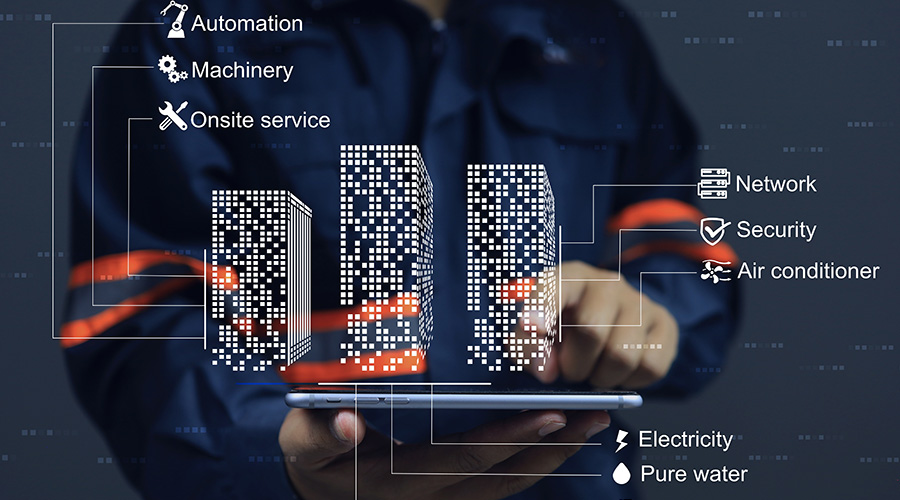
Advances in connectivity, cloud computing and analytics have driven the rapid evolution of facility software. Modern platforms integrate data from multiple building systems — from HVAC equipment to lighting, security and energy meters — into unified dashboards that give operators a comprehensive view of building performance.
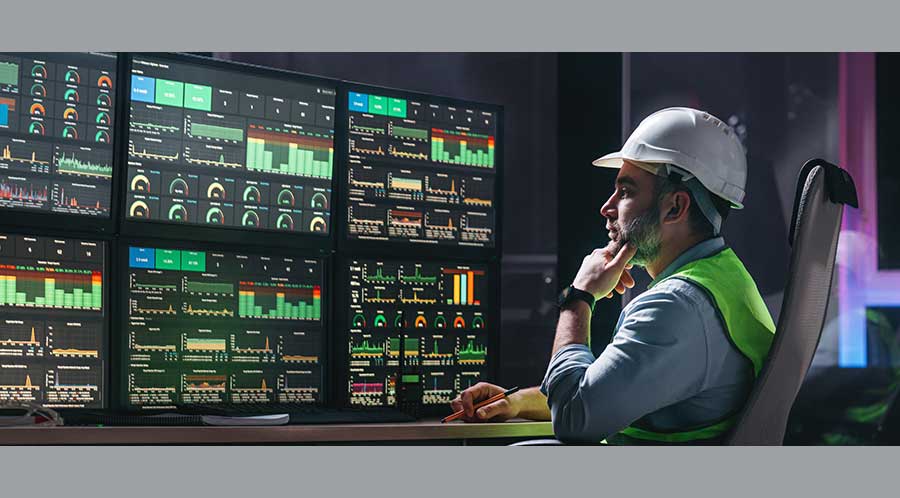
“Modern BAS solutions feature intuitive, web-based interfaces with 3D visualization, dynamic floor plans, playback graphics and dashboard-style insights that make complex system data more accessible and actionable for operators,” Sakhalkar says.
These systems increasingly use open communication standards and cloud-based architectures, enabling facility teams to scale systems more easily and securely while consolidating information from different building technologies into a single interface. Similarly, maintenance platforms have evolved well beyond their original purpose of tracking work orders.
“CMMS platforms have evolved from basic preventive maintenance tracking tools into proactive asset management systems that leverage real-time data, analytics and AI- and machine-learning-driven, predictive capabilities,” she says.
The integration of connected technologies has played a key role in this transformation, says Heather Callaway, technology systems department manager at Gresham Smith, an architecture, engineering and design firm.
“Facility software platforms have evolved significantly over the past decade,” Callaway says. “Clients now have a wide range of options to choose from, allowing them to balance cost with desired functionality. Modern platforms increasingly integrate with Internet of Things (IoT) devices, which come with built-in analytics.”
By linking sensors, equipment and building systems through connected platforms, facility teams can gain deeper insight into the way buildings perform in real time.
One of the most valuable capabilities of modern facility software is the ability to detect inefficiencies that otherwise might go unnoticed. Through continuous monitoring and data analysis, platforms can reveal issues such as equipment running outside scheduled hours, improper temperature setpoints and systems working against each other.
“BAS enables operators to detect control-related inefficiencies through trend analysis, alarm review and performance monitoring,” Sakhalkar says. “By analyzing temperature, flow, pressure and runtime trends, managers can uncover issues such as improper setpoints, simultaneous heating and cooling, short cycling or equipment operating outside scheduled hours.”
Advanced analytics platforms take this process a step further by automating the detection of problems.
“Fault detection and diagnostics platforms automatically identify non-optimal operating conditions, energy waste, degraded equipment performance, and failed or out-of-calibration sensors,” Sakhalkar says.
For facility teams, the ability to detect problems quickly can produce measurable benefits, including improved operational efficiency, reduced energy consumption, optimized equipment performance and faster resolution of maintenance issues.
Callaway says these platforms also help managers monitor key performance metrics across building systems.
“Facility managers can continuously monitor real-time data and key performance metrics configured within the system,” she says. “The software analyzes parameters set by managers to flag potential inefficiencies, such as equipment performance issues, energy waste or workflow bottlenecks.”
The results often extend beyond energy savings.
“Typical outcomes include detecting system breakdowns early, recognizing delays in maintenance activities and identifying communication gaps between departments that impact operational efficiency,” she says.
From reactive to predictive
Another major benefit of advanced facility software is the shift from reactive maintenance to predictive management. Traditionally, facility teams addressed equipment problems only after a failure occurred. Today’s analytics tools can anticipate potential issues before they disrupt operations.
“Analytics platforms analyze real-time operational data to identify inefficient operating conditions, excessive energy consumption, and performance deviations,” Sakhalkar says. “By flagging issues early, they allow operators to correct problems before they lead to equipment breakdowns.”
Some systems even use predictive analytics based on historical performance data to forecast when equipment might fail. Similarly, CMMS platforms analyze maintenance records, runtime data and work order history to estimate reliability metrics, such as mean time to failure.
“This enables more proactive maintenance planning, improved asset reliability and reduced downtime,” Sakhalkar says.
Callaway says forecasting capabilities also can help managers deploy resources more effectively.
“By monitoring key metrics and analyzing past trends, facility managers can predict future equipment needs and identify potential issues before they become critical,” she says. “This proactive approach helps streamline maintenance schedules, reduce downtime and minimize unexpected repairs.”
Managing energy, reducing utility costs
Energy management is one of the most significant areas where facility software platforms deliver value. By monitoring building systems and analyzing energy usage patterns, these tools help facility teams identify opportunities to cut waste and reduce operating costs.
Through BAS systems, managers can implement strategies such as optimized equipment scheduling, dynamic setpoint adjustments and demand-control ventilation to improve energy performance.
“These control improvements reduce unnecessary runtime, improve part-load efficiency and minimize peak demand,” Sakhalkar says. Dedicated energy analytics software also can analyze utility bills and identify abnormal energy consumption patterns.
“These tools provide actionable recommendations to reduce overall energy usage and improve cost efficiency,” she says.
Advanced analytics also can forecast energy demand trends, helping facilities avoid costly demand spikes.
“With predictive analytics capabilities, many of these platforms can forecast energy demand trends and anticipate peak load periods,” Sakhalkar says. “This enables strategies such as automated load shedding or demand limiting.”
Callaway emphasizes that these capabilities can significantly improve the return on investment for organizations adopting facility software platforms.
“By providing detailed energy usage data and analytics, these platforms enable proactive management of consumption patterns to avoid costly demand peaks and identify areas of energy waste,” she says. But that technology alone is not enough.
“To fully realize these benefits, clients must have established standard operating procedures to guide timely and effective actions once issues are identified,” she says.
Balancing comfort and cost
As energy costs continue to fluctuate, facility managers face increasing pressure to maintain occupant comfort while controlling budgets. Smart facility software platforms address this challenge by providing real-time visibility into building performance.
“Smart software tools provide real-time monitoring and visibility into energy usage, allowing operators to be proactive rather than reactive in addressing issues,” Sakhalkar says. Using AI- and machine-learning-based analytics, these platforms can analyze building data and recommend operational adjustments designed to improve efficiency without sacrificing comfort.
They can optimize HVAC, lighting and other building systems for energy and operational efficiency, fine-tune systems based on actual occupancy and weather patterns and predict demand peaks based on historical data, Sakhalkar says. Some advanced systems even allow buildings to automatically respond to changing conditions.
“This dynamic, data-driven decision-making capability allows facilities to continuously balance comfort, performance, and cost,” she says.
Callaway says these insights are increasingly important for managers navigating volatile energy markets.
“These tools provide real-time insights into building performance and energy usage, allowing facility managers to make informed, data-driven adjustments that enhance energy efficiency,” she says.
Improving overall building management
Beyond energy savings, facility software platforms can significantly improve the overall management of a building. The systems automate many routine tasks, such as work order creation, preventive maintenance scheduling and asset tracking to help facility teams operate more efficiently.
“They streamline and automate core facility management processes, including work order generation, preventive maintenance scheduling, alarm routing and asset tracking,” Sakhalkar says. By embedding institutional knowledge in digital systems, these platforms also can help organizations address staffing challenges, and they can reduce operational risk and downtime while improving resilience through centralized visibility and early fault detection.
Callaway says facility software also can support vendor management and physical security operations.
“These platforms help ensure equipment is maintained as intended, vendors adhere to their schedules, and physical security measures are properly monitored and managed,” she says. The software also can send alerts and notifications to the appropriate personnel when issues arise, enabling faster response times and improved operational efficiency.
Selecting a platform
With so many facility software options available, choosing the most appropriate platform can be challenging. Managers should begin by carefully evaluating their operational needs and long-term goals.
“When selecting a facility management platform, it is important to conduct a functionality analysis,” Sakhalkar says. “Evaluate whether the platform’s features and functionality truly address the owner’s needs and technical requirements.”
Cybersecurity and IT compatibility also should be priorities, particularly because many systems move to cloud-based environments. Managers need to review the product’s alignment with the organization’s IT standards, including data security, network architecture, access controls and compliance requirements.
Cost considerations should extend beyond initial purchase price to include long-term expenses such as implementation, integration, training, and ongoing support. Callaway says usability is another critical factor.
“The user interface will be the facility manager’s primary interaction with the system, so it needs to be intuitive and exceed user expectations,” she says. Integration capabilities are equally important.
“Selecting a platform that can act as an overlay — integrating and consolidating data from multiple systems — is key to providing a comprehensive snapshot of facility operations,” she says.
She also stresses the importance of working with the right implementation partner.
“Make sure to choose a reliable partner to guide you through the selection process,” she says. “Once you commit to a vendor, switching systems can be difficult and costly if the software does not meet your expectations.”
Turning data into action
While advanced software platforms offer powerful capabilities, technology alone does not guarantee success.
“Platforms such as BAS, CMMS and (fault detection and diagnostics) are powerful tools, but they only create value when supported by the right people and well-defined processes,” Sakhalkar says. Organizations must invest in training and establish clear workflows to ensure data insights lead to meaningful operational improvements.
As buildings become more complex and as energy efficiency becomes a higher priority, facility software platforms are poised to play an increasingly central role in successful building management.
“Without clear processes and accountability, even the most advanced systems can become underutilized dashboards rather than tools that drive measurable outcomes,” Sakhalkar says.
Maura Keller is a freelance writer based in Plymouth, Minnesota.
Related Topics: