Risks and Signs of Termite 'Swarm Season' Facility Managers Must Know
For managers, the question is not if the swarm season comes, but whether their building is ready. March 5, 2026
By Jeff Wardon, Jr., Assistant Editor
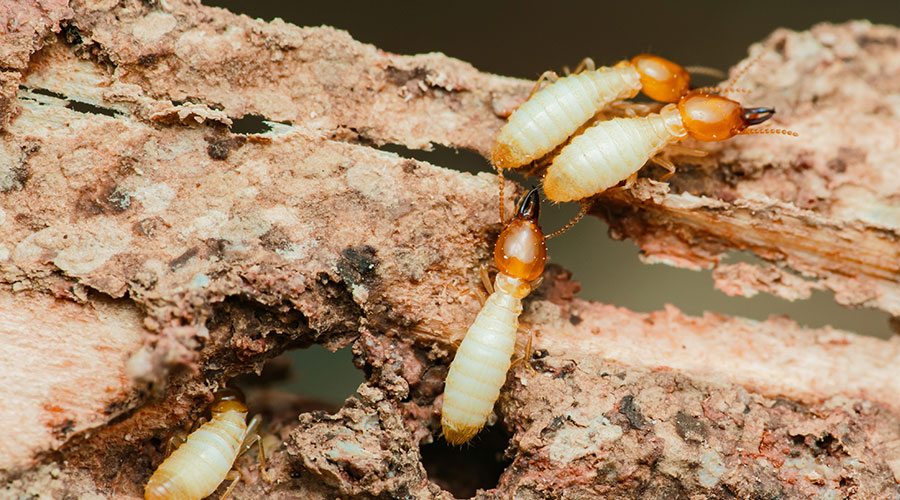
Spring is in the air, and soon to follow are bugs as well. Once they wake, they come on in swarms, essentially creating a “swarm season.” This season is not just a nuisance for facilities managers, as it can hamper operations.
Early springtime warming acts like an alarm clock for cold-blooded insects such as termites, according to Jim Fredericks, senior vice president of public affairs at the National Pest Management Association (NPMA). Swarms typically occur after sustained soil warming and rainfall.
“That happens for a couple of reasons,” says Fredericks. “First, those kinds of continuous warm days will be the key to continuing to stay warm. Then also that the rain event typically is going to make that soil softer. When the termites do emerge, those swarming ones will mate, look for a food source, and then tunnel back into the soil.”
When there are hundreds or thousands of flying insects suddenly invading indoor spaces, sensitive facilities can have their operations grind to a halt. For managers, the question is not if the swarm season comes, but whether their building is ready.
Risk factors and warning signs
There are many considerations for structural risks when it comes to swarms. Older buildings are at risk since termite colonies take approximately five years to mature and swarm.
“Lots of large facilities are going to be built on slab construction, and some of the slab construction can be vulnerable to termite infestation for a couple of reasons,” says Fredericks.
Those factors to keep in mind are expansion joints, cracks and utility penetrations. This is because all of them act as access points for bugs like termites, who only need about 1/32 of an inch to enter, which is roughly the thickness of a credit card.
Another risk to remember is having construction debris beneath the slab, because termites will feed on it. Combine that with their razor-thin requirements for entry, it creates a perfect storm for termite colonies to form and prosper underneath a facility.
When all that happens in a particularly sensitive building, such as healthcare and public-facing facilities, swarm events can force temporary shutdowns. However, there are some early signs managers can watch to prevent swarms:
- Flying insects indoors (though professional identification is required)
- Piles of discarded wings near windowsills
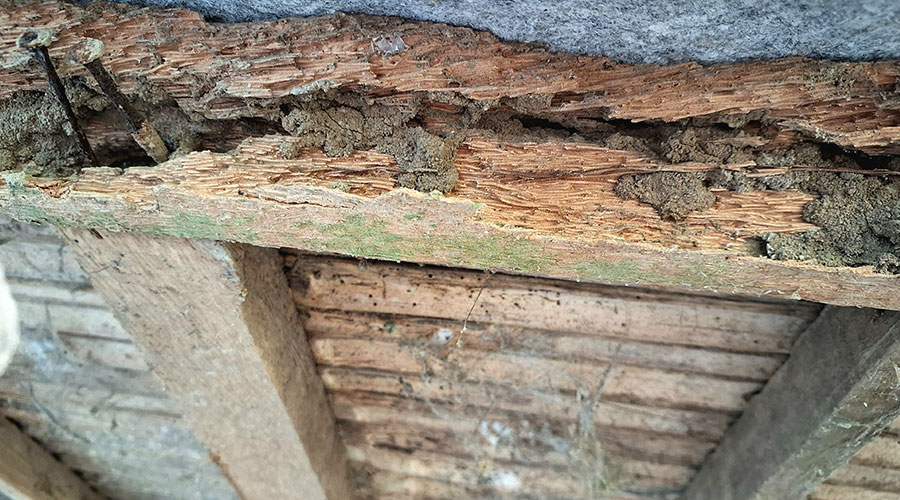
- Mud shelter tubes on foundations or utility penetrations
- Layered-looking wood damage
- Evidence in low-traffic areas such as storage rooms or back-of-house spaces
“Routine inspection certainly is also going to be important,” says Fredericks. “The springtime would be a good time to do a to do a termite inspection, and we encourage people to do a professional termite inspection on an annual basis.”
Additionally, Fredericks recommends that managers review pre-construction termite treatment records since most termiticides are only required to demonstrate five years of efficacy. Because of that, protection can degrade over time. He also says managers should confirm that termite coverage is included in their integrated pest management (IPM) plan, and upgrade coverage before peak swarm season hits from May to June.
Ultimately, it’s effective — and less disruptive — to prevent a swarm than responding to one.
Jeff Wardon, Jr., is the assistant editor of the facilities market.
Next
Read next on FacilitiesNet