Strengthening Facility Resilience Against Natural Disasters
A recent U.S. government report lays out how facility leaders can better plan and invest in disaster resilience based off data collected from military installations. March 4, 2026
By Elaina Myers, Assistant Editor
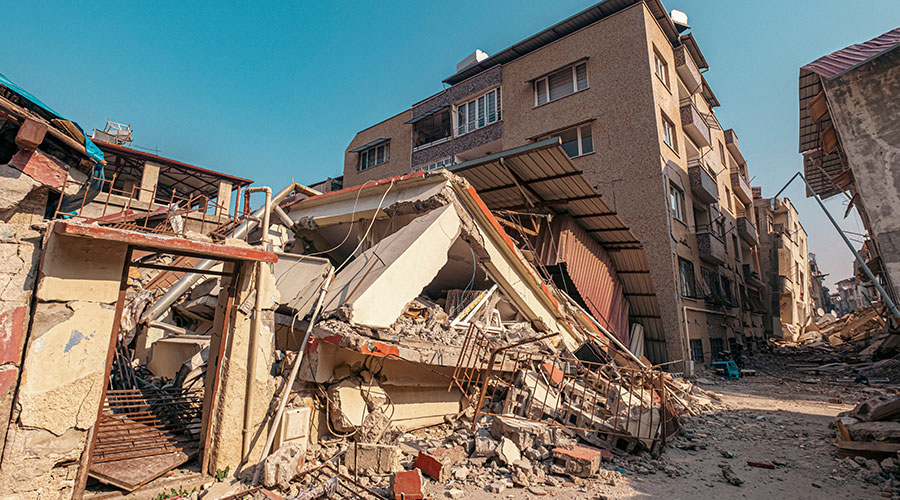
The devastation that a violent earthquake or swirling hurricane can deliver affects everything in its path. Lives can be lost, streets can be reduced to rubble, and institutional and commercial buildings face severe damage or collapse. Yet these extreme weather events tend to be categorized as rare disturbances rather than the recurring operational risks they truly are.
A recent U.S. Government Accountability Office (GAO) report found that military installations have suffered billions of dollars in damage over the past decade due to natural disasters. This finding underlines what many facility managers already know but might not always emphasize: Resilience must be a key element in the master plans of every building.
While the U.S. Department of Defense (DOD) started tracking costs associated with weather in 2024 at military installations, the GAO found gaps in the data. The collection did not capture all disaster types or provide complete recovery cost information. For facility managers, these gaps matter. Without the full picture, managers might find it difficult to justify certain capital improvements or investments to enable future recovery needs.
Fortunately, in the wake of these disasters, some installations are moving beyond simple replace-and-repair strategies toward proactive resilience. Facility teams have relocated structures away from high-risk zones, elevated buildings above flood levels and redesigned roofs and windows to withstand high-speed winds.
But the GAO found planning gaps that have limited opportunities for these resilience improvements. Building master plans are required to include resilience measures, but those guidelines remain unclear in the case of disaster recovery. The incomplete data and funding limitations also have slowed or prevented necessary upgrades.
The GAO recommended that the DOD expand the scope of data collection to ensure all aspects are complete and accurate. It also recommended that the secretaries of the Army, Navy and Air Force issue clearer guidelines that identify how installations should use resilience information in the wake of a natural disaster.
The DOD concurred with these recommendations.
The message is clear: Facility managers can apply these recommendations today to avoid bigger failures tomorrow.
Elaina Myers is the assistant editor of the facilities market.
Next
Read next on FacilitiesNet