Preparing Facility Teams for Next-Generation Data Center Cooling Systems
Manufacturers discuss why managing AI-era cooling systems requires new technical skills and stronger collaboration between facilities and IT.
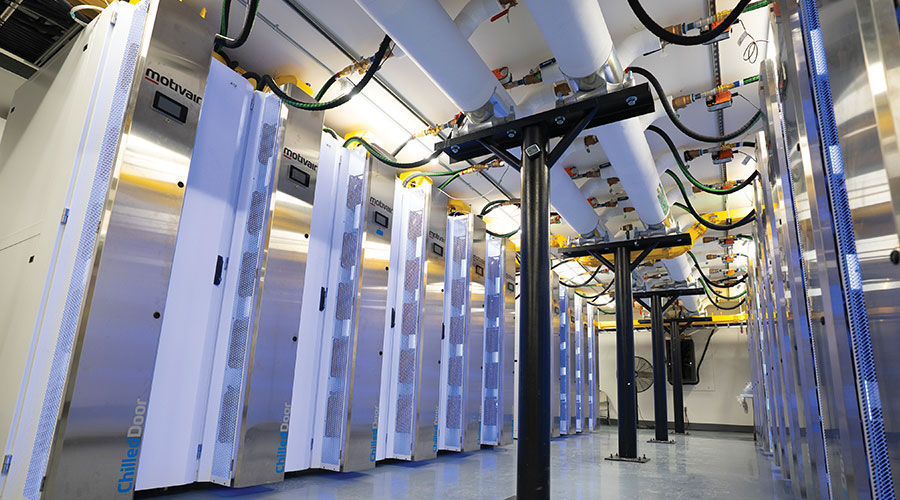
As liquid cooling and hybrid thermal management become standard for AI-driven data centers, facility teams are entering a new era that demands more than traditional HVAC expertise. Successfully operating these systems requires a deeper understanding of hydronics, controls, monitoring and collaboration between facilities and IT.
In this manufacturer roundtable, Facility Maintenance Decisions spoke with data center cooling system manufacturers about the skills facility managers will need and the planning mistakes organizations should avoid as they prepare for the next generation of data center cooling.
FMD: What skills, knowledge gaps or planning blind spots do you see among facility teams managing next-generation cooling systems in data centers?
“Next-generation cooling systems require a more integrated understanding of how the entire hydronic system works as workloads and operating conditions change. It’s no longer just about selecting individual components. Teams also need to consider controls and monitoring, water chemistry, flow balance, redundancy planning and long-term system performance.
As these environments become more complex, there is a growing demand for a broader mix of mechanical, controls and operational expertise, particularly in interpreting real-time data on flow, pressure, delta-T and leak detection. The organizations that will adapt most effectively are those that bring facilities, engineering and IT teams together early in the planning and design process, while continuing to build the capabilities needed for long-term facility maintenance and uptime.”
— Matt Johnson, business development manager, building services, Xylem
“Looking ahead, one of the key challenges for facility teams is the gap between traditional HVAC expertise and the requirements of next-generation cooling systems that combine air and liquid technologies. Many teams are still developing capability in areas such as DTC cooling, coolant distribution and integrated thermal controls, as well as understanding how these affect redundancy, commissioning and long-term operations. Building deeper fluid-thermal literacy, including how coolant distribution units, primary and secondary loops, manifolds and delta-T choices flow through to capacity planning and performance, will be central to the next decade of facility operations.
There are also planning blind spots around coordination between IT and facilities teams, particularly as AI workloads evolve more quickly than traditional infrastructure planning cycles. Lifecycle considerations such as retrofit complexity, spare parts strategy, interoperability and long-term maintainability are also sometimes underweighted in favor of initial deployment, reinforcing the need for earlier cross-functional design alignment and sustained skills development. This reinforces the importance of avoiding rushed deployments and ensuring realistic timelines that allow for thorough design validation, commissioning and operational readiness.”
— Mike Donahue, senior solution architect, Schneider Electric
Jeff Wardon, Jr., is the assistant editor for the facilities market. With more than three years of experience, he covers topics including technology, wellness, sustainability and emerging industry trends.
Related Topics: