 Photo credit: Ryman Auditorium
 Preserving a Legend: How the Ryman Auditorium Balances History and Modern Operations
A lean facilities team manages preventive maintenance, historic preservation, HVAC challenges and event operations to keep Nashville’s iconic Ryman Auditorium performing for the next generation.
By Elaina Myers, Assistant Editor
Key Takeaways:
- The Ryman Auditorium operates with a two-person facilities team who balance daily repairs, historic preservation, contractor oversight and event support for a 134-year-old venue that serves as both a museum and live entertainment destination.
- Managing the building’s aging infrastructure — especially HVAC systems — is a constant challenge, as staff must adapt to changing event demands, fluctuating occupancy levels and modern production requirements while maintaining guest comfort and operational reliability.
- Preventive maintenance, ADA compliance and evolving security measures are critical priorities, helping the Ryman preserve its historic character while meeting modern safety, accessibility and guest experience expectations.
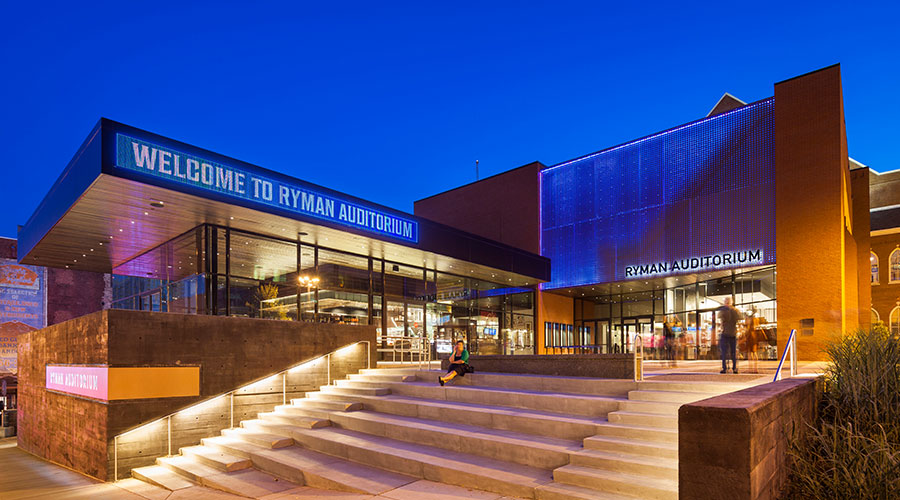
For most visitors, the Ryman Auditorium is defined by its rich music history. Known worldwide as the Mother Church of Country Music, the 134-year-old venue in downtown Nashville hosts hundreds of concerts and welcomes roughly 225,000 museum guests annually. But behind every sold-out show and daytime tour is a facilities operations team responsible for balancing preservation, modern entertainment demands and the realities of maintaining a historic structure.
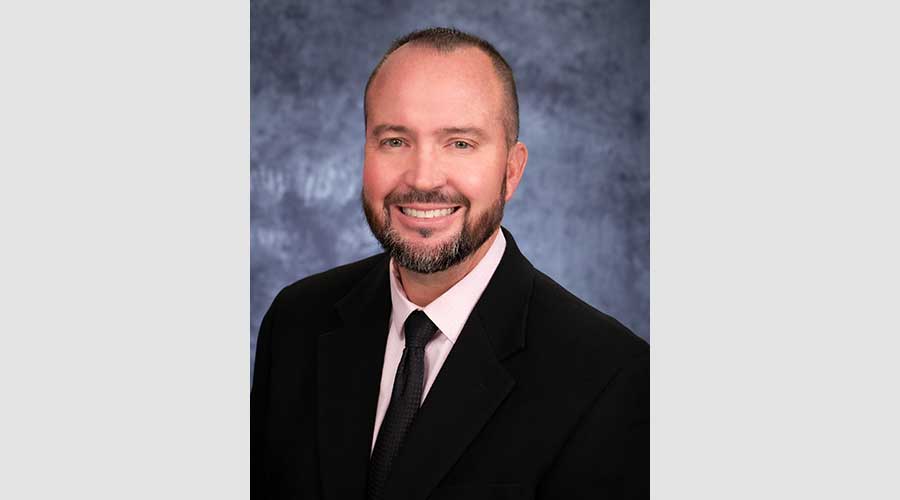
At the center of that effort is Gary Levy, general manager of the Ryman Auditorium.
“Pretty much everything that goes on day-to-day operation-wise with all the plannings and capital projects runs through me,” he says.
Building Operating Management is hosting Elevate, an executive gathering for senior facility leaders, August 27-28 in Nashville. The two-day event that includes high-impact learning, networking and the sharing of forward-thinking ideas with peers kicks off on Aug. 27 with a behind-the-scenes tour of the famed Ryman Auditorium.
Spotlight on staffing
Despite the Ryman’s deep connections to other Nashville venues, it operates with a lean facilities staff.
“I have two facilities people,” Levy says. “I have a manager of maintenance and then a second person who works for him.”
Those two employees perform the day-to-day maintenance of a 60,000-square-foot historic building that transitions between museum operations and live entertainment. Their responsibilities range from plumbing and electrical repairs to maintaining historical architectural features like the iconic wooden pews and supervising specialized contractors.
“A lot of the work needs to be done before we open up as a tourist attraction during the day or before shows start loading in,” Levy says. “The two facilities people will review their list from the day before. If anything has been reported — say a pew got broken or a urinal got clogged — it gives them time to work on that stuff without people walking through.”
Changing demands
At the Ryman, no two nights are the same, Levy says.
One evening might feature a comedian arriving with little more than a microphone stand and stool. Another could involve multiple semi-trucks of production gear, television crews or temporary camera platforms. Levy says that a typical concert at the 2,300-seat venue requires one to two semi-trucks of equipment and multiple tour buses. Larger productions can require significantly more.
That constant variability places unique demands on the operations staff. Some of the biggest operational tests occur during televised events and award shows.
“These events take a large amount of gear,” Levy says. “I had an award show one year that brought in their own HVAC unit to help cool down the building even more.”
For those larger productions, the facilities team works alongside event organizers and contractors to monitor building systems and accommodate additional equipment while maintaining safe operations for performers, crews and guests.
The HVAC challenge
Heating and cooling remain among the most difficult aspects of operating the auditorium. Built in 1892, the structure predates modern climate control systems by decades.
“Being 134 years old, it’s not the most insulated building,” Levy says. “You lose a lot of air conditioning and heat out of cracks, open doors and other things.”
Because of those limitations, the facilities team focuses on anticipating occupancy changes and adjusting conditions before guests arrive. Museum traffic creates a relatively steady temperature throughout the day, but concerts present a completely different challenge.
“People all cram in at once, and they’re all in one area during shows,” Levy says. “You combine all that body heat, and the building can get pretty warm.”
During warmer months, the team works to manage outdoor humidity and the sudden influx of patrons escaping Nashville’s heat, while cooler months require the operations team to heat the large auditorium and backstage spaces gradually.
“It’s not like heating up your home or offices,” Levy says. “It takes our building a little bit.”
One major factor in that process is the Ryman’s connection to Nashville’s steam network. Rather than relying solely on conventional on-site equipment, the venue receives thermal energy through a centralized steam system that has served downtown buildings for generations.
Prioritizing preventive maintenance
To manage the Ryman Auditorium’s mechanical systems, Levy and his staff use a preventive maintenance software to track inspections, fire systems, generators, extinguishers and service schedules. An HVAC vendor assists with routine maintenance and larger technical issues.
For Levy and his team, preventive maintenance is especially important because small issues can quickly become major preservation concerns in a historic building. The goal is to minimize emergency repairs that could be more disruptive, more expensive and potentially more damaging.
Historic preservation requirements add another layer of operational complexity. While the building’s cultural identity depends on its original character, modern accessibility and safety expectations cannot be ignored.
“We still have to comply with modern ADA standards, even though our building and most of our systems are not modern,” Levy says.
His team must continuously evaluate aisle widths, accessibility routes, water fountain heights and accommodations for wheelchairs and walkers.
“ADA standards are something we are always taking into consideration,” Levy says.
Balancing security and guest experience
Security operations have evolved over the last decade. Levy says the Ryman was among the first venues of its size to adopt walkthrough metal detectors in 2016. Now, they use screening technology, which allows guests to move through entrances more efficiently than traditional airport-style checkpoints.
The technology can identify suspicious items without triggering alarms for common objects, such as jewelry and belt buckles.
Even with those improvements, security remains a constant balance between safety and satisfaction. The Ryman must protect artists, staff and guests while preserving the welcoming atmosphere people expect from the historic venue. Staff must adapt security procedures to different types of visitors and events while ensuring the guest experience remains smooth and enjoyable.
“The Ryman Auditorium is beloved by both artists and the patrons that come in and by the staff who works here,” Levy says.
That sense of connection and history shapes the facility management strategy behind every repair, upgrade and decision.
“We are stewards of the building,” Levy says. “We recognize that we are preserving it for the next generation.”
For Levy and his team, facilities management is not simply about maintaining its systems and infrastructure. It is about sustaining a living entertainment venue that must function as a museum, theater, broadcast studio and historic landmark simultaneously.
“We’re all going to do everything we can to honor the building and make sure that we preserve the legacy that is becoming of the Ryman Auditorium,” Levy says.
Elaina Myers is the assistant editor of the facilities market. She has covered various topics from pest management to resilience to sustainability and is the beat writer for special days. She also manages the FacilitiesNet social media accounts.
Related Topics: