Data Centers’ Moment Comes Along with Controversy
Data Center World 2026 offers a glimpse into the future of the industry.
By Dave Lubach, Chief Editor
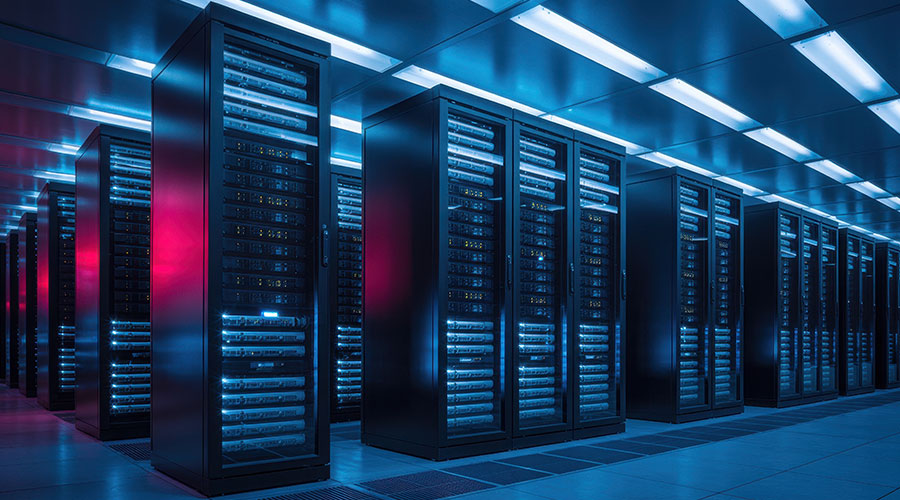
Data centers have been around since the 1940s. Like any institutional or commercial buildings or technology behind them, they have evolved over time. But only recently, it seems, have data centers gone mainstream. That sentiment was summarized perfectly during the opening session of last month’s Data Center World 2026 in Washington, D.C.
“We are having a moment,” was how Bill Kleyman, CEO and co-founder of Apolo.us, a company that provides artificial intelligence (AI) platforms for data centers, opened the conference in front of a record gathering.
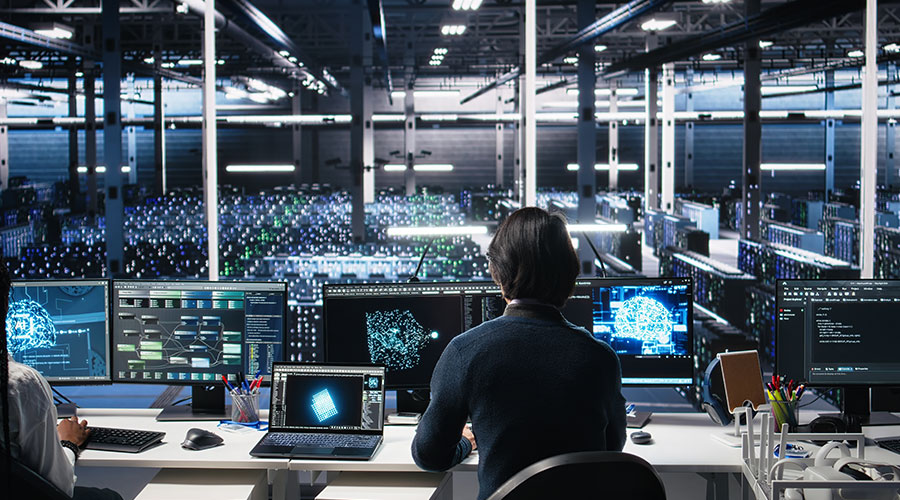
This was my first visit to Data Center World, and honestly, data centers are a new space for me to explore. It appears that I’m coming aboard at the right time. The interest in data centers continues to mushroom thanks to the rapidly expanding influence of AI in so many aspects of our lives. Not only among facilities and tech folks, but among the public as well.
Typically, the media at trade shows consists of outlets that report on the industry. For example, in the facilities management market, our editors attend shows focused on heating and cooling, roofing, fire/life safety and lighting – all elements of a building that help keep occupants safe and the operations running efficiently.
Data Center World also brought in reporters from the Associated Press and Bloomberg, outlets not often reporting on facility-related trade shows. It also attracted something not typically associated with trade shows – protestors.
If you live in an area of the country where data centers are popping up faster than flowers in May, or reside somewhere like Loudon County, Virginia, which is known as “Data Center Alley,” you know all about the talk surrounding their construction and existence.
They are controversial facilities compared to the rest of the buildings we cover. You won’t find many protests surrounding the building of new schools or hospitals. But data center supporters and detractors are typically separated into two groups: Supporters cite the increased job opportunities and potential tax breaks associated with the sites. Detractors are concerned about environmental risks, noise, rising electric bills and increased water use.
From my two days of listening to and speaking with leaders in the data center space, I was impressed at how candid many people in the industry were. They know there are skeptics, and they are prepared to address them. I learned that many in the industry are thinking sustainably, using renewable energy technology like solar power and battery storage systems and embracing liquid cooling and closed-loop water systems to reduce water use.
After two days at a trade show, I’m hardly an expert on AI and the evolution of data centers designed to accompany it, but I do know they’re not going away anytime soon.
“In 2026, more data center capacity will be deployed or under contract than in all previous year combined,” Kleyman said. He further described the space in time for data centers as “living in a world that just discovered oil but hasn’t invented the internal combustion engine.”
In other words, we’re only scratching the surface on data centers and how they will continue to impact the facility management world and beyond. Who knows what the next decade – heck even the next year – will bring?
Dave Lubach is chief editor of the facilities market. He has a decade’s worth of experience covering facilities management and maintenance issues and is a regular attendee of industry trade shows and events across the country. He regularly interviews industry leaders on the trends affecting facility executives and managers on a regular basis.
Related Topics: