Top-Down Risk Control: Why Roofs Matter More Than Ever
Small roof problems can expand over time, so managers should treat roofing as a core function of risk management.
By Michael Teng, Contributing Writer
With more frequent storms, rising material costs and tighter underwriting standards, roofing has become one of the most scrutinized components of institutional and commercial buildings. Roof condition directly affects property loss potential, business interruption exposure and insurance premiums and coverage terms.
From an insurer’s perspective, roof failures rarely are contained events. When a roof collapses or allows sustained water intrusion, the losses often extend beyond the roofing system to interiors, equipment, inventory and operations. In many claims, the total impact from such an event can reach into the millions when repair and business interruption are included.
Roof losses are rarely minor, and small deficiencies can expand over time, so engineering and maintenance managers should treat roofing as a core function of risk management.
Roofing as an underwriting focus
Years ago, underwriting centered largely on a roof’s age. Today, insurers increasingly use satellite imagery, aerial photography and other technology-enabled assessments to evaluate roof conditions before offering or renewing coverage. For managers, this shift means roof condition is evaluated more rigorously.
These tools can help identify visible risk signals, including: ponding patterns on flat roofs; membrane deterioration or rips; debris accumulation and drainage problems; overhanging vegetation; perimeter vulnerabilities, where wind uplift often starts; damages to rooftop equipment; and areas of prior storm impact.
This technology also makes roof issues harder to overlook, and deferred maintenance is more likely to surface during underwriting. Poor roof conditions can trigger policy changes, including: higher deductibles; roof exclusions or tighter limitations; actual cash value settlement language rather than replacement cost; cosmetic damage limitations that restrict what is covered after hail or other weather events; and in some cases, reduced capacity or difficulty securing coverage.
Well-maintained roofs reduce uncertainty and support more stable underwriting outcomes.
How severe weather is raising the stakes
The National Oceanic and Atmospheric Administration has documented a rise in billion-dollar weather events in recent years. For roofs, storm activity exposes failure modes that often begin with small maintenance gaps. Institutional and commercial roofs are especially vulnerable to:
- wind uplift, which can compromise seams and edge metal
- hail, which can be damaging to some roofing systems
- freeze-thaw cycles, which degrade flashing, sealants and vulnerable transitions due to repeated expansion and contraction
- heavy snow loads, especially on flat roofs, where drifting and ponding can occur
- extreme heat, which accelerates aging in many roofing materials
- heavy rainfall and drainage failure, leading to ponding and structural stress.
When widespread storms hit, labor shortages, contractor backlogs and material constraints can extend repair timelines and increase downtime, escalating exposure related to business interruption.
In one commercial loss, a 24-year-old roof with years of deferred maintenance collapsed after repeated snowmelt and rainfall caused widespread ponding. Blocked drainage and structural sagging went unaddressed until more than 75 percent of the roof failed. Direct costs exceeded $1.9 million, with hundreds of thousands more coming from indirect losses. The investigation traced the collapse to accumulated water weight exceeding the roof’s safe load capacity.
Spotlight on vulnerable areas
While every roof system is different, certain areas of roofs repeatedly show up in loss scenarios:
Flat roof drainage systems. Clogged or undersized drains can lead to ponding and progressive structural stress.
Seams, flashing and transitions. Early separation or cracking invites water intrusion.
Penetrations. HVAC, vents, skylights and other roof penetrations are frequent leak sources.
Perimeters. Wind uplift often begins at edges, parapets and corners.
Vegetation-adjacent zones. Leaves and debris clog drains and add moisture exposure.
Support structure considerations. A roof's surface condition can appear acceptable even as underlying components deteriorate.
Not all roof failures are visible from the rooftop. Interior warning signs often appear first. Water-stained ceiling tiles, discolored walls, unexplained mold growth and leakage around windows might signal active roof infiltration.
In more advanced cases, front-line technicians might notice that doors or windows are becoming difficult to open, sprinkler heads are extending from their housings, and walls are forming visible cracks. All of these failures are potential indicators of structural stress caused by overhead water accumulation. Managers and technicians should treat these signs as triggers for immediate evaluation rather than isolated cosmetic issues.
Five best practices for proactive roof risk management
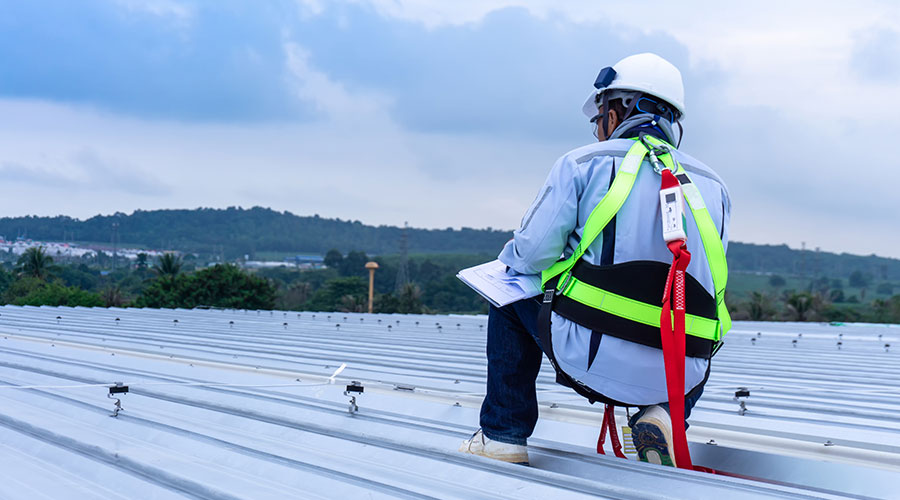
Conduct annual inspections. Schedule a comprehensive roof inspection annually with a qualified roofing professional or third-party inspector. Larger systems, especially those exceeding 10,000 square feet, might require more frequent review.
Inspections should evaluate: membrane or surface integrity; signs of ponding and the cause — slope vs. blocked drainage; drain and scupper functionality; fastener and seam condition; edge metal and flashing performance; penetration seals around rooftop equipment; and evidence of prior storm damage or progressive wear. The goal is early identification before small issues become costly.
Add a routine tune-up cadence. Beyond the annual inspection, managers need to establish and budget for a planned tune-up schedule every two years. Contractors can address minor deterioration before problems become systemic.
Tune-ups typically involve: sealing small punctures or tears; reinforcing seams and edge details; correcting small depressions or drainage flow problems; clearing roof drains and repairing drain hardware; and verifying the integrity of curb and penetration flashing. These interventions often are modest compared with emergency repair costs and can meaningfully extend roof life.
Include rooftop equipment in roof risk control. Rooftop units create penetrations, add load and introduce vibration and maintenance that can compromise roofing details. Managers should coordinate roof and mechanical maintenance plans to ensure work on one system does not compromise others.
At least annually, managers need to confirm: equipment is securely mounted and properly flashed; no leakage or separation exist around curbs; condensate lines and discharge do not create moisture problems; and service activity does not puncture or damage membranes.
Prepare before severe weather seasons. Before storm seasons, managers should schedule a readiness review. Practical steps include: clearing drains, gutters and scuppers; removing debris and checking for loose components; verifying flashing and sealants at seams and transitions; trimming overhanging branches where feasible; and ensuring roof access protocols and safety measures are documented.
Perform post-storm assessments quickly. After significant weather events, technicians should inspect roofs promptly to limit secondary damage. A rapid post-storm routine should include: photos of roof areas, seams, penetrations and drains; interior documentation of leaks, staining or ceiling impacts; notes on date, time and observed conditions; temporary mitigation steps taken; and early contact with appropriate service providers or insurance representatives as needed to prevent worsening damage
Linking maintenance and insurability
Maintenance without documentation might not be fully recognized during underwriting or claims review. A practical documentation set includes: annual and post-storm inspection reports; maintenance logs showing recurring care and corrective actions; repair invoices and scope summaries; photos before and after repairs; contractor credentials and licensing confirmations; and a replacement plan aligned to roof life expectancy.
This documentation demonstrates disciplined risk management and supports a smoother claims process by creating a clear record of condition and care. Managers should store records digitally with backups and keep key files organized for renewals.
When replacement is the ‘right’ decision
Every roof reaches the end of its useful life, even with strong maintenance. In moderate climates, some systems can last 35-40 years. In high-stress regions, life cycles can be closer to 25 or fewer years, depending on system type and exposure. Delaying replacement too long typically leads to escalating repairs, increased leakage frequency and tougher insurance outcomes.
Certain roofing systems might require additional attention:
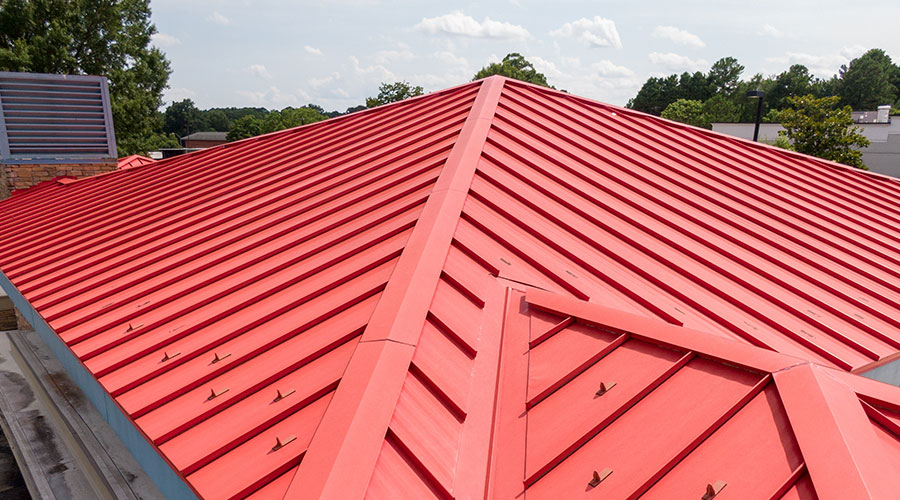
- Metal roofs can be more susceptible to hail impact damage.
- Membrane roofs might retain functional integrity while appearance deteriorates.
- Older roof assemblies might not perform well under modern storm intensity.
When replacement is necessary, managers should prioritize qualified, licensed contractors with strong references. Roofing is not an area where shortcuts pay off.
Many insurers integrate roof-focused risk control assessments into property programs. This practice can help managers identify vulnerabilities earlier and prioritize corrective work that reduces loss potential.
When roof damage occurs, notifying insurers early supports faster mitigation and reduces the risk of secondary damage. It is helpful to understand common roof-related policy language, such as cosmetic damage limitations and coverage changes for older or poorly maintained roofs.
The business case for proactive management
Reactive roof management often costs more than planned risk control. Proactive programs support fewer emergency repairs, longer roof life, better capital planning, reduced water intrusion and interior losses, less operational downtime and better insurability and fewer coverage restrictions.
The roof influences safety, asset protection and continuity. A structured approach that combines inspection, tune-ups, documentation and planned replacement strengthens both physical resilience and financial stability.
For maintenance and engineering managers, roofing decisions shape more than watertight performance. They influence employee safety, facility reliability, operational continuity, risk profile and insurance outcomes. A roof is not merely a building component. It is a frontline defense against weather-driven loss and a visible signal of risk discipline.
The path forward is practical: Inspect routinely, address small issues early, document consistently, plan for replacement and coordinate with qualified professionals. As with all key building systems, prevention is the foundation of effective roof risk control.
Michael Teng is assistant vice president of regional products, pricing and underwriting with Sentry Insurance.
Related Topics: