Why Facility Design is Your Greatest Talent Retention Strategy
Modern offices must turn to smart, human-centric designs to ensure employee satisfaction.
By Frank Quigley, Contributing Writer
Key Takeaways:
- In the hybrid work era, workplace design has become a key talent retention tool, with facilities needing to offer flexible, comfortable and collaborative environments that give employees a compelling reason to come into the office.
- High-impact workplace improvements often focus on employee experience, including varied work settings, biophilic design, wellness features and thoughtfully designed shared spaces such as breakrooms, lobbies and outdoor areas.
- Facility managers can strengthen retention strategies by using occupancy, utilization and employee feedback data to identify underperforming spaces, guide targeted improvements and measure results through business metrics such as turnover rates and employee satisfaction.
Ask any CEO what keeps them up at night, and talent will be near the top of the list. In a market where a single key employee can cost up to 200 percent of their salary to replace, the competition for skilled workers is fierce. This financial reality brings the spotlight onto one asset almost every company controls: its space.
The traditional office facility, once viewed as simply a place to house desks, is now scrutinized by current and prospective employees as the ultimate reflection of company culture and value. If your physical space feels dated, uncomfortable or ill-suited for modern work, it is quietly contributing to your turnover rate.
Recognizing the importance of the work environment means facility professionals are now critical players in the war for talent, ultimately turning smart, human-centric design into a strategic differentiator.
How facilities evolve in a hybrid world
The rise of hybrid work has fundamentally changed the role of the facility manager in creating a successful talent retention strategy. The physical office must now compete with the comfort, flexibility and convenience of home. The facility’s role has changed from a mandatory destination to a location that must justify the commute.
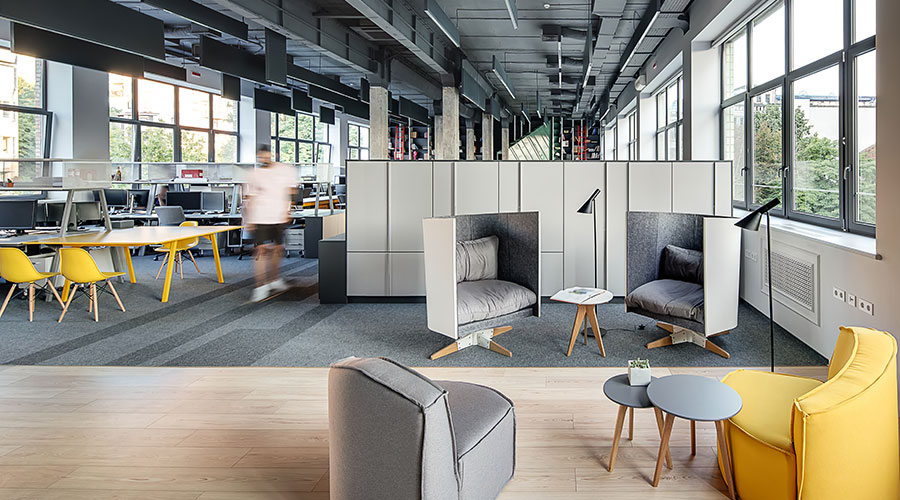
Post-pandemic employees expect flexibility, comfort and a variety of settings. This translates into facility design that provides a spectrum of choices, from quiet zones for focused, heads-down work to dynamic, technology-rich collaboration hubs.
Facilities must also serve as a tangible reflection of company values, showing employees that the organization prioritizes their well-being, varied work styles and desire for connection. A facility that supports work-life harmony and high performance is a powerful tool against talent leakage.
High-impact features and overlooked spaces
The most effective features for supporting employee engagement go beyond basic amenities. They center on creating an optimized experience.
High-value amenities include:
- Varied seating options. Moving past assigned seating to neighborhood zones, huddle rooms and drop-in areas that accommodate different tasks throughout the day.
- Biophilic design. Integrating natural light, interior greenery and views of nature has been proven to reduce stress and improve focus, cementing the importance of the work environment.
- Ergonomics and wellness. Quality air filtration, clean water systems and height-adjustable desks are no longer perks, but rather expected features that proactively address employee health and reduce fatigue.
Overlooked areas for redesign
While major renovations grab headlines, facility professionals should focus on enhancing third spaces, instead. These are the transitional areas that foster culture and spontaneous interaction.
The key is creating strategic workspace design in nontraditional zones such as:
- Enhanced Breakrooms and Cafés: Redesigning breakrooms to feel less institutional and more like a comfortable, high-end lounge can turn a quick coffee break into an opportunity for cross-functional collaboration and idea sharing.
- Entrances and Lobbies: A well-designed, inviting entryway immediately communicates the company’s culture and professionalism, boosting employee pride and setting a positive tone for the workday.
- Outdoor Spaces: Maximizing patios, rooftops and walking paths for meetings or individual work connects employees with the environment, further mitigating common reasons for employee turnover related to burnout and lack of fulfillment.
3 steps to a data-driven facility strategy
The most valuable data lies in effective workplace space utilization metrics. This data translates into not just knowing if a space is used, but how and by whom it is being used. Occupancy sensors, badge-swipe data and room-booking system reports provide the raw numbers. However, true positive change comes from analyzing this data with a human-centric lens through the following steps:
1. Correlate data across functions. Moving beyond basic occupancy, facility teams must cross-reference utilization data with departmental retention reports, network logins and VPN usage and qualitative employee feedback.
For example, if utilization sensors show employees in Department X consistently avoiding the open-plan desk area, but IT data shows they are highly productive remotely, it strongly suggests the facility design is actively hindering their in-office work. This deep correlation exposes specific reasons for employee turnover tied directly to the physical environment.
2. Go beyond collection to meaningful changes. Once a low-performing space is identified, the facility team can shift from maintenance to strategic design. Take the example of an underutilized large collaboration room. If the data suggests it’s too loud or intimidating for small groups, then the solution is to begin an optimized floor plan redesign.
Consider installing high-grade acoustic panels or ceiling baffles to reduce sound transfer, replace the single large table with modular furniture or smaller, comfortable focus pods and upgrade the lighting to warmer, indirect sources. The final step is to brand the space clearly using booking software and signage, fundamentally changing its perceived function through effective workspace design.
3. Quantify impact with business metrics. To secure a future budget and validate the facility’s role in a successful talent retention strategy, success must be reported in business terms. Don’t just report better morale. Instead, report specifics such as: “A 15 percent decrease in voluntary turnover within the affected department nine months post-renovation.”
Other metrics include a year-over-year increase in same-day room bookings, indicating spontaneous collaboration or an improved Employee Net Promoter Score specifically measuring employee satisfaction with the physical work environment. This provides concrete evidence that smart facility investment is a driver of corporate performance.
The modern office is undeniably a powerful lever for organizational success, shifting from a necessary expense to a nonnegotiable strategic asset. By embracing a data-driven, human-centric approach to design and operations, facility professionals can move beyond maintenance and become essential partners in talent retention strategy.
The future of facility management lies in co-creating environments that don’t just house employees but actively compel the industry’s best and brightest to stay and thrive.
Frank Quigley is the president and CEO of R&K Solutions, an employee-owned small business specializing in real property business support and strategic decision tools for managers of some of the world’s largest facilities portfolios. During his tenure with R&K, he has supervised numerous projects and programs for clients and has executive management responsibilities in operations, growth and staff development for multiple sectors of the firm.
Related Topics: