AI Boom Drives Data Center Growth, Yet Power Constraints Loom
The U.S. data center market is entering 2026 with record momentum as artificial intelligence adoption fuels unprecedented demand for computing infrastructure. June 5, 2026
By Jeff Wardon, Jr., Assistant Editor
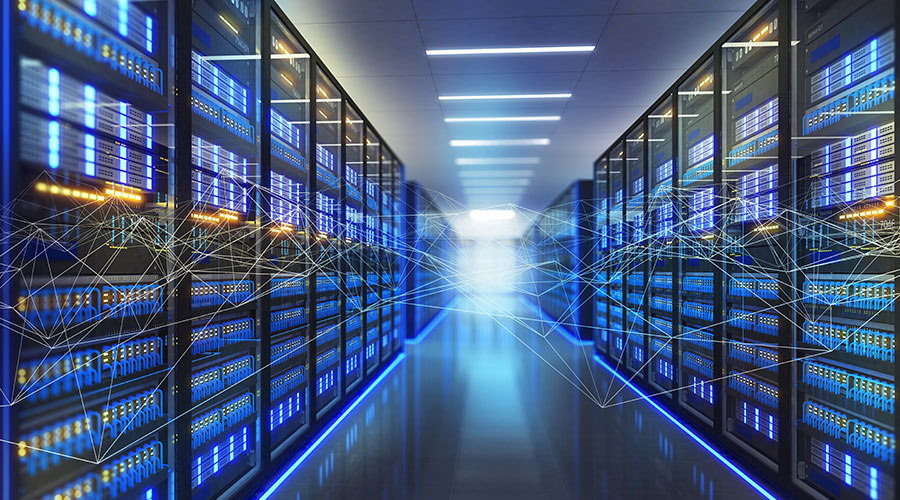
The U.S. data center market is entering 2026 with record momentum as artificial intelligence adoption fuels unprecedented demand for computing infrastructure, according to a new market outlook from Newmark.
The report finds that the sector is expanding faster than any other commercial real estate category, with roughly 280 data center projects currently under construction across 32 states. Yet even as developers race to add capacity, power availability has emerged as the industry's biggest challenge.
Newmark estimates that U.S. data centers currently consume about 60 gigawatts (GW) of electricity. However, projects that are announced or under construction could add as much as 160 GW of new demand if fully built, representing nearly 20 percent of current U.S. peak electricity demand.
The surge is being driven by hyperscale cloud providers as well as a growing number of AI-focused companies developing large-scale computing infrastructure. Data center vacancy rates have fallen to just 2 percent, a historic low, as demand continues to outpace supply.
Also, the report highlights how data center growth is increasingly influencing utility planning, energy infrastructure investments and industrial development nationwide.
Power availability remains the primary obstacle. According to the report, delays in utility interconnections, permitting challenges for new generation facilities and equipment shortages are slowing the pace at which new data center capacity can be delivered. Developers are responding by investing in onsite power generation, including natural gas systems and other behind-the-meter solutions.
The rapid expansion is also pushing development into secondary and tertiary markets where land, power and permitting conditions may be more favorable. Newmark reports that these emerging markets account for more than 55 percent of the proposed development pipeline, reflecting a shift away from traditional data center hubs.
At the same time, community concerns are becoming a growing factor in project approvals. The report found that at least 25 proposed U.S. data center projects were canceled in 2025 following local opposition, four times the number canceled the previous year. Water consumption, energy use and land development impacts have become common points of contention.
Despite these challenges, Newmark expects demand for AI-related infrastructure to remain strong for the foreseeable future. The report concludes that while developers are pursuing innovative solutions to address power and capacity constraints, demand continues to grow faster than the infrastructure needed to support it.
Jeff Wardon, Jr., is the assistant editor of the facilities market.
Next
Read next on FacilitiesNet