Data Centers Warm Up Neighborhoods
A recent study found that data centers have warmed neighborhoods by four degrees. June 2, 2026
By Mackenna Moralez, Managing Editor
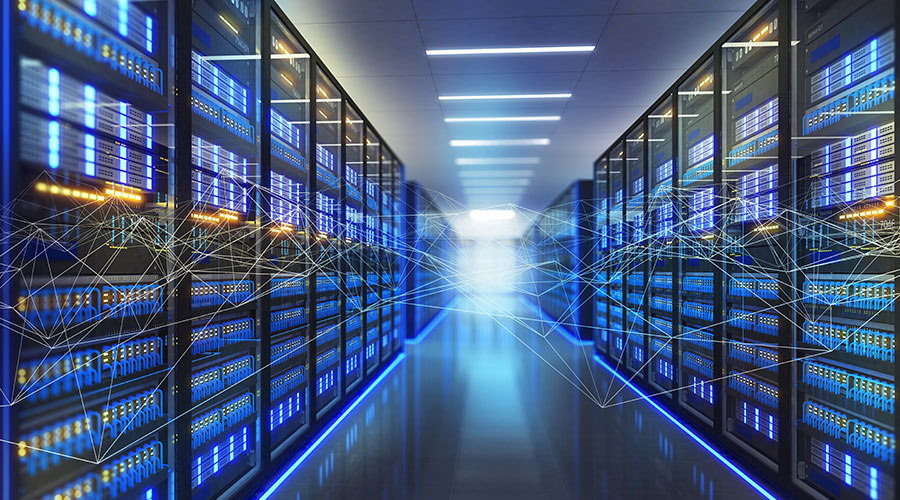
There is a high demand for data centers as AI becomes more popular for the everyday user.
Over the next four years, the number of data centers in the United States is expected to double. However, environmental concerns could create a significant impact on lives or community residents. According to the study “Data Center Waste Heat as an Emerging Urban Thermal Hazard,” data centers largely contribute to concentrated heat in urban environments. The student found that downwind air temperature in the surrounding Phoenix area increased 2.2 degrees Celsius, with the average downwind air temperatures 0.7-0.9 degrees Celsius warmer than upwind areas.
The temperatures were detectable at distances of up to 500 meters from the data centers. According to the study, the 36 MW Mesa facility rejects waste heat equivalent to the electricity consumption of nearly 40,000 households, while the 169 MW Chandler facility consumers upward of 180,000 households worth of electricity.
According to FacilitiesDive, a 30-megawatt data center puts out as much energy as 25,000 or 35,000 homes. However, that can be concentrated to just 20 homes, making it much more intense.
Data centers can potentially reduce the impact of increasing temperatures to surrounding communities by:
- Use evaporative cooling to convert the air from air-cooled systems into vapor
- Use a powerful vertical fan to push the hot air higher up into the atmosphere so it disperses more before it spreads to the community
- Keep the rooftop equipment open
Mackenna Moralez is the managing editor of the facilities market and the host of the Facilities in Focus podcast.
Next
Read next on FacilitiesNet