5 Ways Facilities Can Prepare for Hurricane Season
As stronger storms become more common, facilities managers should take important steps to improve resilience. May 29, 2026
By Elaina Myers, Assistant Editor
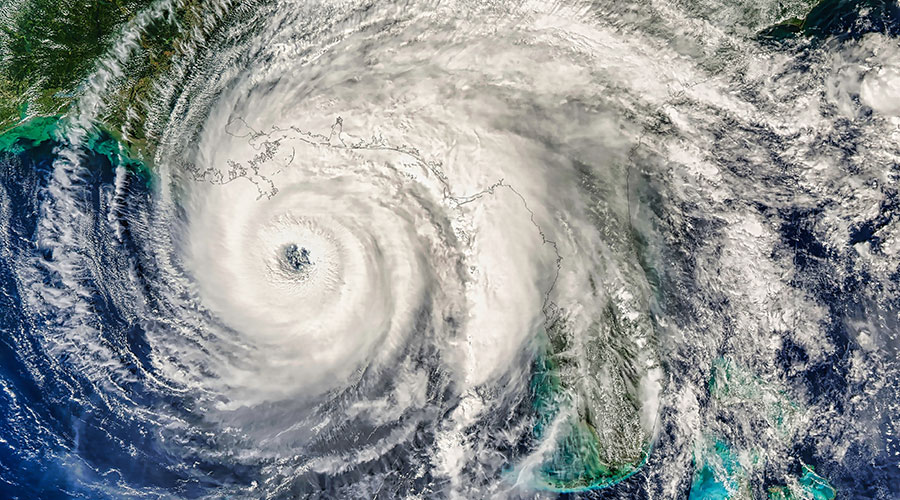
Hurricane season is right around the corner, and the time to prepare is now. The National Oceanic and Atmospheric Administration forecast a total of eight to 14 named storms for the 2026 Atlantic season. Of those, three to six are predicted to become hurricanes with one to three of those turning into major hurricanes.
From roof damage and flooding to power outages and flying debris, hurricanes can disrupt operations and cause costly repairs if facilities are not properly prepared. According to Mike Sholtis, national reconstruction director at RestoPros, proactive planning and preventive maintenance can make all the difference when extreme weather strikes. He maps out five best practices facility managers can take to better prepare for these events.
- Inspect and maintain the roof. “The roof, the structure — that is where primarily a lot of the damage comes from during a hurricane,” Sholtis says. Clogged gutters, debris buildup and neglected roofing systems can lead to standing water, which eventually finds its way inside the building. Scheduling regular inspections, clearing drains and adding waterproof roof coatings can help facilities reduce the risk of leaks and interior damage during heavy rain and high winds.
- Prepare windows and entry points. “Everything is a missile or projectile when you have those 100-mile-an-hour winds,” Sholtis says. Storm shutters, boarded windows and sandbags placed around doors and garage openings can help limit damage and water intrusion. Sholtis noted that materials like plywood and sandbags often sell out quickly before storms, making it critical to stock supplies ahead of time.
- Establish a clear emergency communication and response plan. Facilities should create employee text chains, assign responsibilities and conduct routine hurricane drills before the season kicks off. “Everybody should know their role,” Sholtis says. “It should be almost autonomous the way they act and respond during active weather events.” Practicing emergency procedures monthly can help employees react quickly and confidently.
- Ensure backup power systems and generators are protected. Generators can keep refrigeration, servers, security systems and other critical operations functioning during prolonged outages. “Some facilities can go two or three weeks without power after a direct hurricane impact,” Sholtis says. Elevating electrical equipment and ensuring these systems are protected from flooding can further improve resilience.
- Partner with a restoration professional beforehand. Service agreements with restoration companies can help businesses secure priority assistance after a storm, when equipment and crews are often in short supply. Sholtis encourages facilities managers to carefully review their insurance policies, particularly flood and wind-driven rain coverage, to ensure they are adequately covered before hurricane season begins.
Elaina Myers is the assistant editor of the facilities market. She has covered various topics from pest management to resilience to sustainability and is the beat writer for special days. She also runs the FacilitiesNet social media accounts. Elaina is an avid cat lover and spends all her free time and money traveling the world.
Next
Read next on FacilitiesNet