CES Group. Click here.

Advertisement
Firestone Building Products, Download App Automated Logic

Cooling and Heating When It Counts

Part 1: Managers Must Prepare for HVAC Emergencies

Part 2: Developing an HVAC Emergency-Preparedness Plan

Part 3: Emergency Preparedness: Consider Heating and Cooling Loads

Part 4: Steps for Implementing a Support Structure for Temporary HVAC Equipment

Part 5: Where Is the Best Place to Install Temporary HVAC Equipment?

Part 6: Temporary HVAC Equipment: The Rent-or-Buy Decision


Developing an HVAC Emergency-Preparedness Plan

By James Piper, P.E. - November 2009


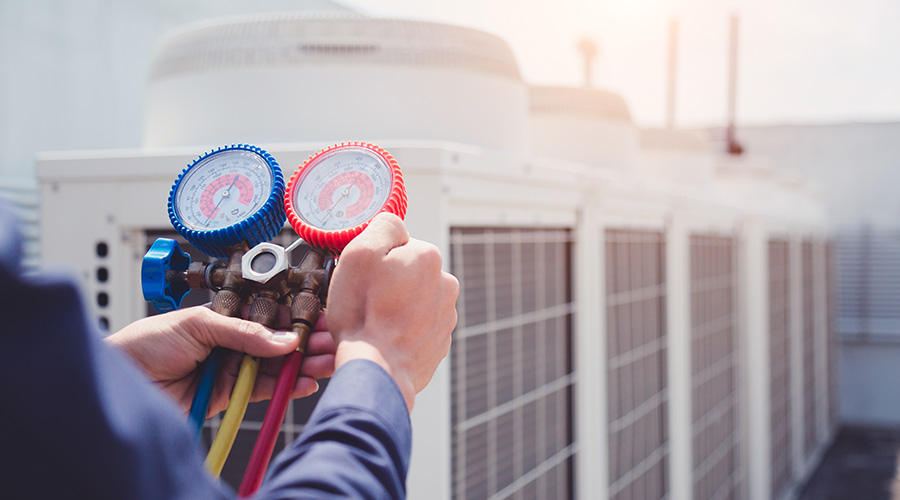
The first step in developing the emergency-preparedness plan is to identify equipment failures that would disrupt operations most seriously by determining if disruptions would be localized to specific areas of a building or if disruptions would be building-wide. If the disruptions are only local, the next step is to determine if it is possible for operations to continue without HVAC service or if they need to be relocated to another area with HVAC service.

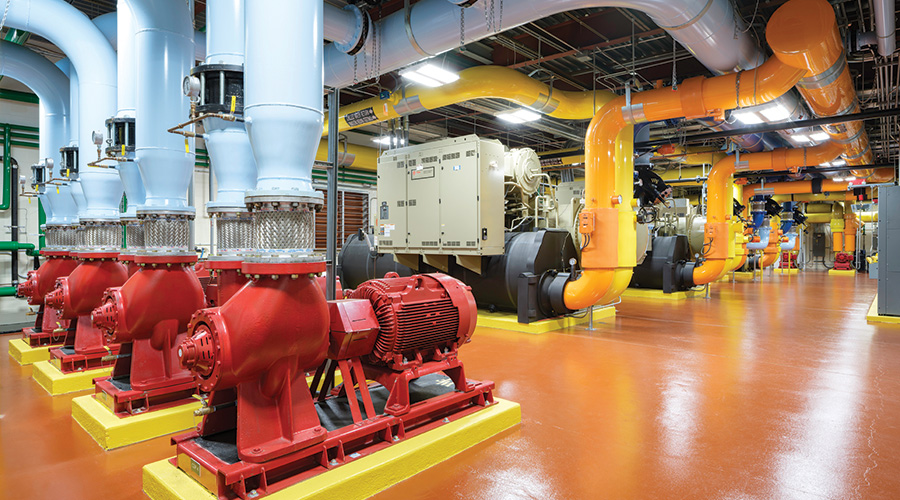
The situation is different if one central system serves the building. For example, if a single boiler or chiller serves a building, the possibility of failure of that unit makes it a higher priority to find a way of providing heating or cooling with temporary equipment.

Without HVAC services, some portions of the building might be able to continue normal or reduced operation. But in most cases, an equipment failure will significantly disrupt at least a portion of the operations.

A different response is possible if the building has a bank of central boilers or chillers, in which case the loss of one unit would not completely disrupt operations. Generally in such instances, it is possible to continue operations throughout the building. During periods of high heating or cooling loads, the plan also should address the way managers can reduce loads on the system while still providing adequate services to as many areas of the building as needed.

Comments

Add a comment

Prev

Next


Cooling and Heating When It Counts

Part 1: Managers Must Prepare for HVAC Emergencies

Part 2: Developing an HVAC Emergency-Preparedness Plan

Part 3: Emergency Preparedness: Consider Heating and Cooling Loads

Part 4: Steps for Implementing a Support Structure for Temporary HVAC Equipment

Part 5: Where Is the Best Place to Install Temporary HVAC Equipment?

Part 6: Temporary HVAC Equipment: The Rent-or-Buy Decision


RELATED

KEYWORDS

Browse articles on hvac, emergency preparedness, temporary hvac, heating and cooling, chillers, boilers on FacilitiesNet

FACILITYZONE SEARCH

Search for hvac, emergency preparedness, temporary hvac, heating and cooling, chillers, boilers articles on FacilityZone


Modine. Save Thousands of Dollars in Energy & Thousands of Pounds in CO2. Click here.

VDF-induced bearing currents kill motors! Shaft Grounding Rings protect bearings/motors from electrical damage. Click here to learn more about AEGIS.

*************************

Free E-mail Newsletter Sign-up

Weekly Articles
Facility Webcast Alerts
Building Products/Technology
Monthly Digital Magazine


2 + 5  = (anti-spam)

*************************
*************************
*************************