Human-Centric Security Design Creates Safer, More Accessible Buildings
By designing security around occupant behavior, accessibility and ease of use, building owners can create facilities that feel secure without feeling restrictive.
Key Takeaways:
- Human-centric security design anticipates how people actually use a space, helping prevent unsafe workarounds that emerge when access controls are overly complicated or restrictive.
- Clear sightlines, appropriate lighting, intuitive systems and inclusive accessibility features improve safety while supporting the physical, emotional and cognitive needs of all occupants.
- Treating security as an early, integrated design priority helps facilities become more resilient, efficient and welcoming as threats, technologies and operational needs evolve.
Human-centric security design centers on human behaviors and habits. One critical challenge in balancing security and access is accounting for human behavior. Security measures that are overly restrictive or difficult to use are often bypassed, creating shadow security risks where occupants find workarounds that compromise the entire system. Human-centric security design addresses this problem by placing the user experience at the core of the security strategy early in the design.
Effective security design should prioritize the physical, emotional and cognitive needs of the people who use the space and involves several key principles:
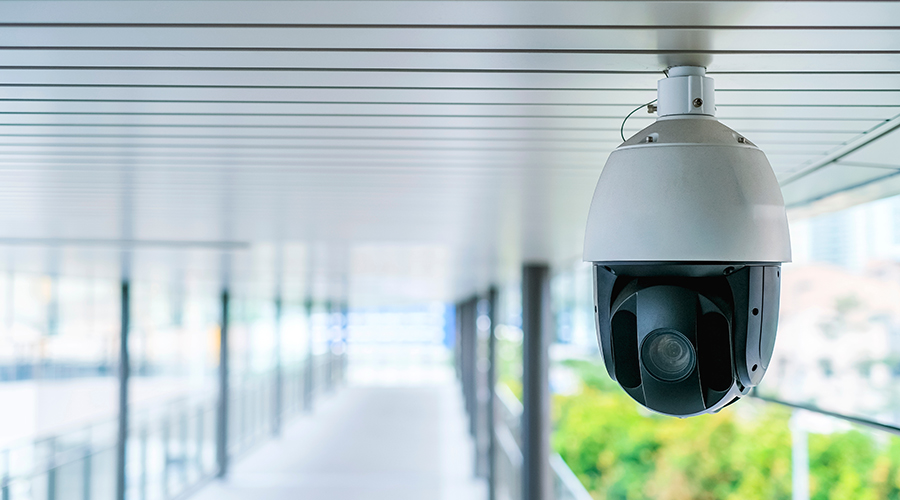
- Natural surveillance. Designing for visibility by using clear sightlines and proper lighting reduces the reliance on cameras and creates an environment where people feel safer.
- Security culture. Organizations that foster a positive, security-aware culture rather than one based on fear or punishment have significantly fewer security incidents. Employees who understand the reason behind security rules are more likely to act as the first line of defense.
- Inclusivity and accessibility. Human-centric security design ensures security measures are accessible to individuals of all physical abilities and reinforces social equity in the built environment.
By treating people as assets rather than liabilities, human-centric security design reduces security incidents linked to human error by up to 95 percent. In complex facilities, this means designing systems that are intuitive and require minimal training, allowing occupants to focus on their core tasks without feeling restricted by their environment.
The synthesis of building security and ease of access represents a profound opportunity for innovation. By rejecting the false choice between safety and openness, modern designers and building owners can create spaces that are not only more secure but also more functional, efficient and welcoming. Integrating security early in the design phase is the essential catalyst for this change because it ensures that a building’s protective measures are as integral to its success as the structural elements that hold it up.
As the threat landscape and technological capabilities evolve, flourishing facilities will be those that embrace security as a core component of their value proposition. By prioritizing professional specifications, leveraging the power of access enablement and designing early with a human-centric focus, owners and architects can build a future where spaces are not just barriers against the world but conduits for innovation, safety and seamless human connection. This integrated frontier is essential in creating resilient, high-performing facilities that meet the complex demands of the 21st Century while leaving a lasting, positive impact on everyone who walks through their doors.
Miguel Pimentel is a project designer in the Foxborough, Massachusetts, office of Weston & Sampson, an engineering and environmental consulting firm.
Related Topics: