Roofing Sustainability: Preparing for the Next 10 Years
Evolving codes, climate resilience, embodied carbon and rooftop technologies could reshape roofing decisions in the years ahead.
Key Takeaways:
- Evolving energy codes and greater attention to embodied carbon and lifecycle impacts will require facility managers to look beyond first cost when evaluating roofing systems.
- Severe weather and expanding rooftop uses will increase the importance of durable, resilient and solar-ready roof designs that can accommodate future needs.
- Facility managers can prepare by taking a long-term approach to roof decisions, considering how today's choices could affect building performance, maintenance and flexibility for decades.
Roofing sustainability is likely to become increasingly tied to measurable building performance, lifecycle impacts and resilience over the next five to 10 years. Evolving energy codes, greater attention to embodied carbon, environmental product documentation, severe weather and solar-ready construction could all influence how facility managers approach roof replacement and new construction.
At the same time, labor availability and growing demand for rooftop technologies may create additional challenges and opportunities. In this manufacturer roundtable, Facility Maintenance Decisions spoke with roofing manufacturers to discuss what facility managers should consider now to prepare for these changes.
FMD: Looking ahead, what sustainability challenges and opportunities do you expect will have the greatest impact on roofing over the next five to ten years, and how should facility managers prepare for those changes?
“Over the next five to ten years, I expect the industry to place an even greater emphasis on measurable building performance rather than simply selecting products with individual sustainability attributes. As states continue to adopt newer energy codes, facility managers should expect increasing requirements for building envelope performance, including higher insulation levels and other measures that improve energy efficiency and reduce operational carbon.
Designers and owners are also placing greater emphasis on embodied carbon and material transparency, making lifecycle assessments (LCAs) and environmental product documentation increasingly important during product selection. LEED v5, which becomes effective in July 2027, reflects this shift by placing greater emphasis on lifecycle assessments of building assemblies, including roofing systems, while updating heat island reduction requirements, continuing to recognize vegetated roofs as a compliance pathway, and strengthening Building Enclosure Commissioning (BECx) requirements.
Beyond evolving codes and standards, resilience and service life will continue to shape roofing decisions. As severe weather events become more frequent and rooftops support more equipment and technologies, owners will place greater value on durable roof assemblies that deliver long-term performance while reducing maintenance and replacement.
Facility managers can prepare by taking a lifecycle approach to roofing decisions, engaging design professionals and roofing manufacturers early in the project, and selecting systems based not only on first cost, but also on long-term performance, resilience, and verified environmental impacts.”
— Chris Kann, Product Manager – Specialty Products and Sustainability. Carlisle Construction Materials, LLC
“Weather events will continue to be one of the greatest challenges. Roofs will be expected to perform under higher wind pressures, heavier precipitation, hail, snow and increasingly demanding environmental exposure. That will place even greater emphasis on tested performance, durability and long-term weatherability.
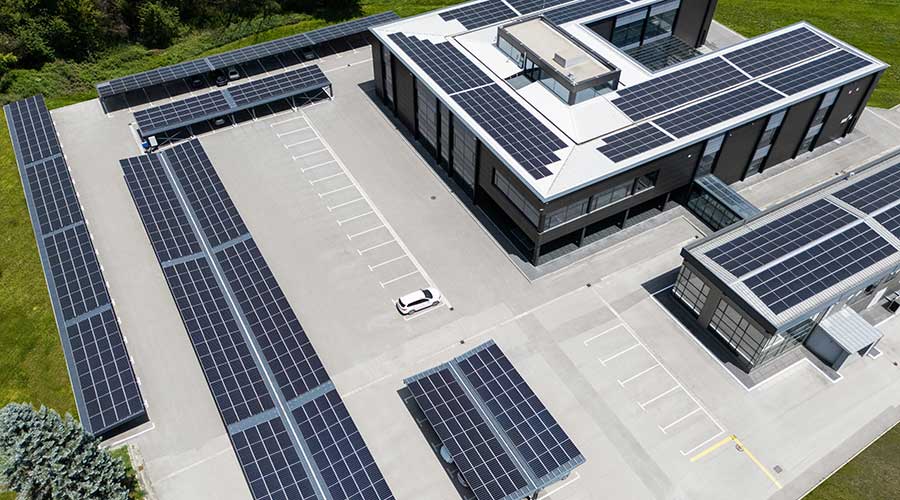
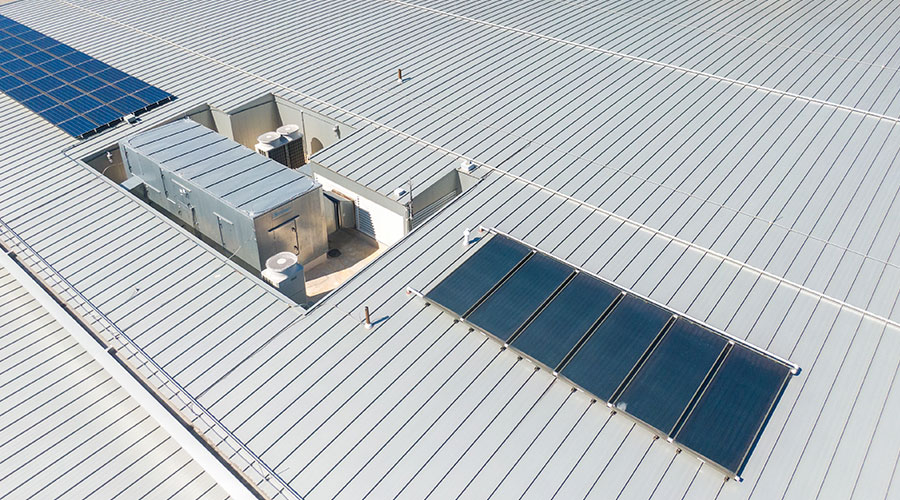
Solar-ready construction will also become more important. Some jurisdictions already mandate new buildings or roofs to be designed “solar-ready,” so that solar can be installed either immediately or in the future. Facility managers should expect those requirements to expand and should plan for structural capacity, attachment methods, electrical pathways, roof layout and areas free of shading or mechanical equipment.
There will also be increasing attention to carbon footprint, environmental product declarations (EPDs) and lifecycle assessment. Facility managers should begin evaluating roofing decisions over the anticipated life of the building rather than through a single capital-budget cycle. They should also document structural capacity and preserve the flexibility to accommodate future rooftop technologies without prematurely replacing or substantially modifying the roof.”
— Rob Haddock, Director, Metal Roof Advisory Group, Ltd. & Founder and CEO of S-5!
“I think one of the biggest challenges will be keeping up with demand. The rapid build-out of AI infrastructure and data centers is happening alongside ongoing new construction and reroofing activity, and all of that places additional demands on the industry.
As data centers consume more power, we will also see more organizations looking at ways to generate some of their own energy, making rooftop solar an even greater opportunity.
At the same time, experienced roofing labor will continue to be in high demand. That creates opportunities for new attachment methods and installation practices that simplify installation, reduce labor requirements and provide sustainability benefits.
My advice to facility managers is to think long term. If your building needs a new roof today, the decisions you make now are likely to shape your facility's performance for the next 20 to 30 years. Choosing a roofing system isn't just about solving today's problem. It's about preparing your building for what's coming next.”
— Mitch Gilbert, Vice President of Technology, Duro-Last
Jeff Wardon, Jr., is the assistant editor for the facilities market. With more than three years of experience, he covers topics including technology, wellness, sustainability and emerging industry trends. Connect with him on LinkedIn.
Related Topics: