IAQ: 9 Ways to Reduce Asthma and Allergy Triggers in Buildings
Facility managers can take practical steps to create healthier indoor environments for occupants with asthma and allergies. November 24, 2026
By Ronnie Wendt, Contributing Writer
-
Prioritize HVAC filtration and ventilation: Use MERV 13 filters when equipment can accommodate them, verify adequate outdoor air delivery, and consider portable HEPA air cleaners to reduce airborne contaminants.
-
Identify and eliminate common asthma and allergy triggers: Inspect for moisture and mold, repair leaks, review cleaning products and building materials, and monitor indoor air quality to reduce exposure to irritants and allergens.
-
Make occupant health part of facilities management: Take complaints seriously, document concerns, investigate potential triggers, and incorporate indoor air quality improvements into preventive maintenance and HVAC upgrade plans.
Winter weather sends people indoors, where HVAC systems, building materials and maintenance practices at institutional and commercial facilities influence the air they breathe. Dust, mold, pollen, chemical emissions and respiratory viruses can create serious problems for occupants with asthma and allergies.
Facility managers can help control many of these risks through equipment maintenance, ventilation, filtration and purchasing decisions. The right measures often reduce airborne contaminants, limit asthma triggers and improve indoor conditions throughout the heating season.
The stakes are high. Nearly 28 million Americans live with asthma, according to the Asthma and Allergy Foundation of America (AAFA). The disease can cause severe breathing difficulties, emergency department visits and death.
“Between nine and 11 people die each day from asthma,” says Kenneth Mendez, president and CEO of AAFA.
Mendez has led AAFA since 2018. His experience with asthma and allergies, including raising two children with severe asthma and food allergies, informs his work.
He urges building operators to recognize potential triggers and address the conditions that put occupants at risk. Here are nine triggers to consider.
Asthma inflames and narrows the airways, making breathing difficult. Exposure to airborne irritants and allergens can trigger coughing, wheezing, throat irritation and asthma attacks.
Institutional and commercial buildings contain numerous potential triggers. Cleaning chemicals, fragrances, paint, carpeting, flooring and insulation can release volatile organic compounds (VOCs) or other irritants. Leaking plumbing and excess moisture encourage mold growth. Rodent and cockroach droppings introduce allergens.
“All those can let off gas or have fragrance associated with them and it would take a while for that to dissipate, unless you have good air circulation indoors,” says Mendez, referring to materials such as paint, insulation and flooring.
Respiratory infections create another concern. Viruses circulate among occupants, and infections can aggravate asthma. Seasonal pollen, respiratory illnesses and increased time indoors contribute to the problem.
“Facility managers should assess these risks before heating season,” he says. “HVAC inspections, filter changes, moisture checks and ventilation reviews provide a starting point.”
2. Understand the asthma capitals report
Allentown, Pennsylvania, topped the rankings, followed by Detroit; Rochester, New York; Philadelphia and Cleveland.
The rankings reflect community-wide asthma outcomes, not the performance of individual buildings. However, they underscore the need to control environmental triggers, especially in communities with high asthma prevalence.
“If you have poor indoor air quality that can trigger an asthma attack, lead to an emergency room visit or even death,” Mendez says.
Facility managers can use the report to support maintenance priorities and capital improvement requests. A building’s location, occupant population and history of indoor air quality complaints can be used to determine where to focus resources.
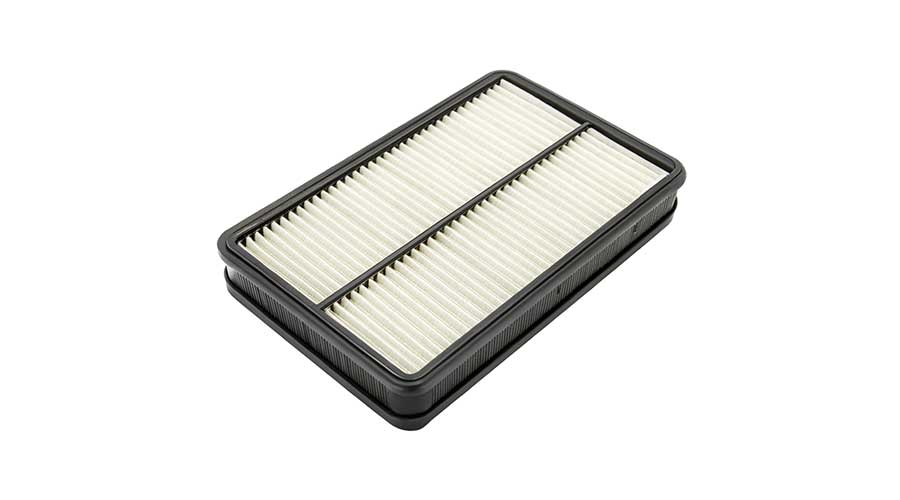
HVAC filtration offers a direct way to reduce airborne particles. Mendez recommends filters with a minimum efficiency reporting value (MERV) of 13 when existing equipment can accommodate them.
“We feel MERV 13 is the minimum, but not all systems can take MERV 13,” he says.
He explains MERV ratings measure a filter’s ability to capture particles across specified size ranges. MERV 13 filters capture a greater share of small particles than lower-rated filters, including particles that carry allergens. Higher-efficiency filters also increase airflow resistance.
Managers must verify equipment capacity before changing filter specifications by reviewing fan capabilities, available static pressure, filter dimensions and manufacturer requirements. They also must confirm the system will maintain proper airflow after the upgrade.
Mendez recommends changing filters every 60 days. From there, facility managers can adjust replacement schedules according to filter loading, pressure drop, operating conditions and manufacturer guidance.
Maintenance teams should also inspect filter racks, check for gaps that allow air to bypass filters and document replacement dates.
Adequate ventilation dilutes indoor contaminants and reduces the concentration of airborne respiratory particles during illness outbreaks.
“You want to bring in outside air (during outbreaks). That can be as simple as opening a window and making sure that there’s air circulation,” Mendez says.
Institutional and commercial buildings rely on mechanical ventilation systems to deliver outdoor air. Managers should confirm that air-handling units, dampers and controls provide required ventilation during occupied periods.
Outdoor air conditions complicate these decisions, according to Mendez.
Wildfire smoke, heavy pollen and urban air pollution enter buildings through ventilation systems, open windows and leaks in the building envelope. Mendez recommends closing windows during periods of high outdoor pollution or pollen exposure and using filtered air conditioning to maintain indoor conditions.
He recommends monitoring local air quality reports and adjusting operations to maintain adequate ventilation. Filtration and outdoor air intake strategies must work together to control contaminants without compromising occupant health.
Portable high-efficiency particulate air (HEPA) cleaners can also supplement central HVAC filtration in selected spaces. Their effectiveness depends on airflow capacity, room size, placement and maintenance.
However, Mendez warns against air-cleaning devices that generate ozone because ozone can irritate the airways and trigger asthma symptoms.
5. Find and fix moisture problems
Mold can grow wherever moisture accumulates. Plumbing leaks, condensation, wet carpeting and poorly maintained HVAC components create favorable conditions.
“If an indoor environment is wet because of bad plumbing, a sink that’s dripping or leaking behind the cabinet, mold can grow, and that can be a trigger for allergens,” he says.
Air conditioning systems also require attention. Cooling coils, condensate pans and drainage lines can collect moisture and support microbial growth.
Mendez recommends inspecting these components during scheduled maintenance and correcting drainage problems before water accumulates. He also advises examining restrooms, mechanical rooms, ceilings, plumbing connections and areas with previous water damage.
Controlling indoor humidity, repairing leaks and removing water damaged materials keeps mold from returning, he says.
6. Review cleaning products and building materials
Routine cleaning and renovation activities introduce irritants into occupied spaces. Paint, adhesives, carpeting, flooring, insulation and cleaning solutions may release VOCs or fragrances. Occupants with asthma can react to these emissions.
Mendez says to examine product specifications before purchasing materials or approving renovations. He also recommends choosing products with documented low emissions, providing ventilation during installation and scheduling work when occupants are not there.
Cleaning programs deserve similar attention. Review chemical inventories, eliminate unnecessary fragrances and confirm that cleaning technicians follow manufacturer’s instructions for dilution, application and ventilation.
“We certify products after they are tested in air chambers,” Mendez says. “Products must meet the program’s testing requirements before manufacturers can use the certification mark on their labels.”
7. Measure indoor air quality
Indoor air quality (IAQ) monitors help to identify ventilation problems and track environmental conditions, Mendez says.
Carbon dioxide (CO2) monitors deliver a useful measurement. Elevated CO2 concentrations relative to outdoor levels indicate insufficient ventilation for the number of occupants present. However, he cautions that CO2 readings do not measure viruses, allergens or every chemical contaminant.
The lack of a single comprehensive IAQ rating system comparable to the Environmental Protection Agency’s outdoor Air Quality Index is also a challenge, he adds.
Mendez explains building ventilation standards and pollutant-specific guidance exist, but no single reading establishes whether an indoor environment is safe for every occupant.
For this reason, he recommends managers combine CO2 monitoring with HVAC performance data, moisture inspections, maintenance records and occupant complaints. When problems persist, targeted testing can identify specific contaminants or deficiencies.
8. Consider IAQ with HVAC upgrades
Aging HVAC systems can limit filtration options, ventilation control and moisture management. Equipment replacement provides an opportunity to address these limitations.
Mendez encourages facility managers to explore federal and state energy-efficiency incentives when planning HVAC upgrades. “If you are looking at upgrading, there are federal programs and state programs that provide tax incentives if you improve the energy efficiency of your HVAC system,” he says.
New equipment can improve filtration capacity, ventilation control and humidity management while reducing energy consumption. He recommends considering all of these benefits in addition to energy savings during capital planning.
9. Take occupant complaints seriously
Employees who report persistent odors, breathing difficulties or symptoms associated with specific rooms help identify building problems.
When these complaints come in, Mendez says facility managers should:
-
Review HVAC operation, recent renovations, cleaning practices, moisture conditions and ventilation performance.
Asthma can qualify as a disability, making coordination with human resources and other appropriate personnel important when occupants request accommodations.
Mendez encourages people with asthma to identify their triggers and report environmental concerns to building management. Facility managers can support these efforts by establishing clear procedures for occupants to report potential triggers and request corrective action.
“We want to help them advocate for themselves,” he explains.
Heating season places greater demands on building systems and exposes occupants to a range of IAQ challenges. A consistent maintenance program helps control those risks.
Inspect filters. Verify ventilation. Repair leaks. Evaluate building materials. Monitor conditions. Listen to occupants.
These actions give facility managers practical ways to reduce asthma and allergy triggers, and create healthier buildings throughout the year.
Ronnie Wendt is the owner of In Good Company Communications and a freelance writer specializing in articles for the facilities management, aviation, RV and automotive, meetings and events, security, logistics and business technology industries.
Next
Read next on FacilitiesNet