Heat Pump Water Heaters Offer Energy Savings for Commercial Facilities
Heat pump water heaters can reduce energy use by transferring existing thermal energy rather than generating heat.
By Ken Sandler, Facility Influencer
Key Takeaways:
- Water heating accounts for an average of 5 percent of energy use in commercial and institutional facilities, with hotels, restaurants and inpatient medical facilities often using significantly more.
- Heat pump water heaters use electricity to transfer existing thermal energy rather than generate heat through combustion, allowing them to achieve efficiency ratings with a coefficient of performance between 2.5 and 4.
- Smaller facilities such as gyms, restaurants, hotels and community centers may be good candidates for heat pump water heaters, while hospitals and other facilities requiring higher water temperatures may need industrial systems.
For many institutional and commercial facilities, quick, consistent access to hot water is essential, but its costs can add up. Water heating for these facilities on average constitutes 5 percent of their energy use, according to the Energy Information Administration, and it tends to be a much bigger item in certain sectors.
Hotels or other lodging facilities use the most energy for water heating, consisting of up to 20 percent of their energy use, followed by restaurants and other foodservice facilities and inpatient medical facilities at 10-15 percent. Other facility types with above average water use include outpatient medical facilities; public assembly facilities, schools, public safety buildings and congregations.
As with the HVAC and lighting sectors, the water heater market is seeing exciting technological innovations, leading to significantly more efficient products that under the right circumstances can be worthwhile investments for the lifetime savings they provide.
Emerging option
Noah Gabriel, senior project manager for building innovation at the New Buildings Institute (NBI) has talked about the emerging option of heat pump water heaters — how they work, their basic technology, key nuances and how to determine if they are a fit for a specific facility. NBI describes itself as “a mission-driven nonprofit organization working to advance scalable and practical approaches that equitably eliminate emissions from the built environment.” The mission includes advancing net zero energy buildings and technology innovations, including heat pump water heaters.
While this might sound like a niche issue, NBI has helped build a coalition of over 100 organizations, the Advanced Water Heating Initiative (AWHI), dedicated to advancing this technology.
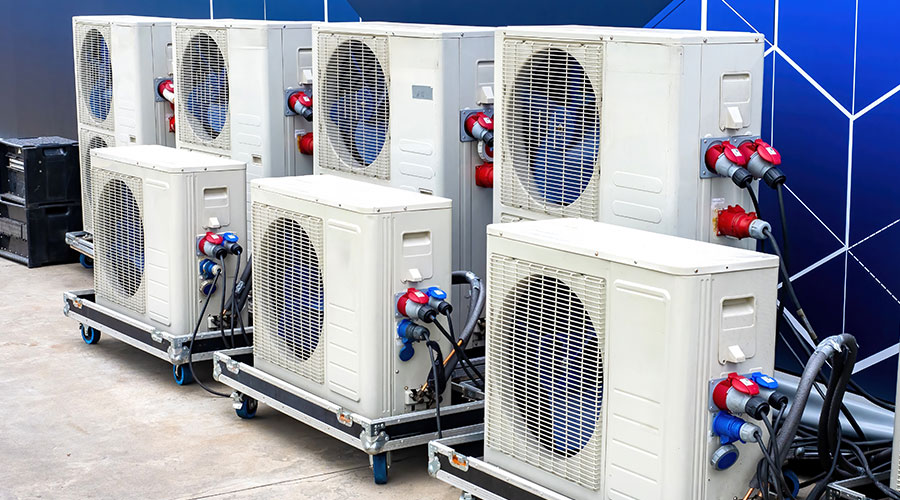
Heat pump water heaters are based on the same air source heat pump technology transforming the HVAC market. Heat pumps provide more energy than they use. They are so efficient because they move thermal energy rather than generating it through combustion. As a result, they achieve over 100 percent efficiency by borrowing already existing heat. That heat can be pulled from outside air — even in cold weather — as well as from internal sources, such as restaurant stoves and refrigeration equipment.
The coefficient of performance (COP) is a ratio of the amount of heating or cooling energy delivered versus the electrical energy used by an appliance, and heat pump water heaters are routinely rated at a COP between 2.5 and 4. Gabriel says COP, like miles per gallon, is a metric tested under laboratory conditions, meaning that real world performance will often lag the metric.
There are increasingly affordable and available heat pump water heaters on the market for smaller buildings that use 1,000-1,500 gallons per day of hot water. Applications can include gyms, restaurants, small to mid-size hotels and community centers. Large commercial buildings and those that need water heated above normal temperatures — for example, hospitals that must perform sanitization — require industrial water heaters, which are a separate class in which more cost-effective heat pump water heaters are not available.
Ken Sandler, Ph.D., is a clean energy and sustainability analyst and thought leader who spent 35 years advancing green building and sustainability policies and programs across the federal government. In addition to being a FacilitiesNet sustainability columnist and Facility Influencer, he writes his own newsletter, Regenerative Futures at LinkedIn and Substack.
Related Topics: