Florida's Drought Restrictions Are a Facilities Wake-Up Call
As water supplies remain under stress, facilities teams can use the moment to uncover inefficiencies and build greater resilience into their properties. August 25, 2026
By Todd Griffith, PE, LEED AP, Contributing Writer
Key Takeaways:
- Florida’s ongoing water shortages serve as a great example of why facilities teams need to understand their local drought restrictions, particularly irrigation schedules and water-feature limits, and clearly assign responsibility for following them.
- Water management should go beyond landscaping and managers should also be inspecting irrigation systems, indoor fixtures and cooling equipment to identify leaks or other maintenance issues that may otherwise go unnoticed.
- Drought restrictions are an opportunity to build long-term facility resilience by improving irrigation controls, repairing aging infrastructure and incorporating efficiency measures into future capital planning.
Across Florida, persistent rainfall deficits and pressure on groundwater and surface-water supplies have moved water management higher on the facilities agenda this summer. Restrictions vary by water-management district and local jurisdiction, but the operational message is consistent: facility teams need a clear view of where, when and how their properties use water, not only across the landscape, but throughout the property’s building systems and daily operations.
In Southwest Florida, for example, the Southwest Florida Water Management District’s Modified Phase III “Extreme” Water Shortage restrictions have been extended through Oct. 1, 2026. For many commercial and institutional properties, that means landscape irrigation is limited to once per week, with allowable days and hours tied to address and property size. Aesthetic fountains and water features are limited to four hours of operation per day, and restaurants must serve water only upon request.
The extension reflects a broader concern: despite the start of the rainy season, water supplies in the region remain under stress. For owners and facility managers nationwide, Florida’s conditions offer a useful case study in the operational work that water restrictions can require. Those requirements are specific, but the response should be broader. Owners and facility teams should treat the restrictions as an opportunity to review water-intensive systems, operational routines and deferred maintenance before a small issue becomes a costly disruption.
Start with the landscape, but don’t stop there
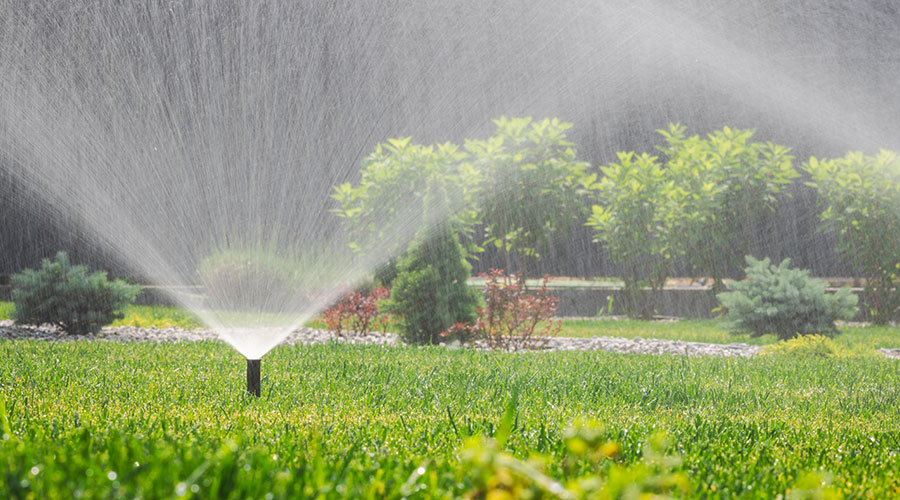
Irrigation is often the most visible water use on a property, and it is the first place to validate compliance. Confirm the property’s assigned watering day, permitted operating window and any local requirements that may be more restrictive than district rules. Common areas and mixed-address properties have their own scheduling designation, so assumptions can lead to violations.
Then review whether the irrigation system is using its limited runtime effectively. Walk the site during an active cycle and look for broken heads, overspray onto pavement, leaks, runoff, clogged nozzles and zones irrigating during rain. Make sure rain sensors, soil-moisture sensors and controller programming are functioning as intended. A controller may still be following a seasonal schedule that no longer reflects current conditions or restrictions.
Facility managers should also work with their grounds teams to prioritize plant health strategically. Hand watering and micro irrigation for flower beds, shrubs and other non-lawn plant material are generally allowed on any day during specified morning and evening hours, but that flexibility should not become a substitute for a thoughtful plan. Focus supplemental watering on high-value or vulnerable plantings, newly installed material and areas where plant loss would create safety, visibility or erosion concerns.
New lawns and plantings have an establishment-period exemption, but it is time-limited. Keep installation dates and irrigation records available so the facility can demonstrate compliance if questioned.
Ensure all water features align with the plan
Aesthetic fountains, decorative water walls and similar features are often overlooked because they may not sit within the maintenance department’s daily routine. Under the current restrictions, they may operate only four hours per day, and the owner must select and post their regular operating hours. Identify who is responsible for scheduling and posting that information, and make sure the settings align with the property’s operating plan.
For facilities with restaurants, cafeterias, hospitality components or event spaces, communicate the requirement to serve drinking water only upon request. That message needs to reach front-of-house teams, food-service contractors and temporary event staff, not just property management.
The same coordination principle applies to tenants. While a property owner may not control every water-using activity within a leased space, facility leaders can share the rules, establish a contact for questions and flag any practices that may create unnecessary use or public-facing compliance issues.
Audit indoor water use
Outdoor restrictions are a reminder to look for inefficiencies inside the building as well. Even when indoor uses are not directly restricted, water waste affects utility costs, equipment reliability and the facility’s ability to operate responsibly during a prolonged shortage.
Start with the basics: review restroom fixtures, janitor closets, breakrooms and mechanical rooms for persistent leaks. A continuously running toilet, failed flush valve or dripping faucet can waste far more water than staff may realize. Compare water bills and meter data against past usage, occupancy and operating hours. A sudden increase is often the first sign of a hidden leak or equipment issue.
Cooling systems also deserve attention. Cooling towers, water-cooled equipment and related treatment systems should be reviewed by qualified personnel to confirm they are operating within design parameters. Opportunities may include verifying makeup-water meters, checking for leaks and overflow, confirming controls and treatment practices, and reviewing whether cycles of concentration are appropriate for the site’s water quality and equipment requirements. Any adjustments should protect equipment performance, manufacturer requirements and health and safety protocols, not simply reduce water use on paper.
Short-term compliance, long-term resilience
The immediate goal is straightforward: comply with today’s restrictions. Assign responsibility for irrigation programming, inspections, fountain schedules, tenant communication and records. Document the property’s assigned watering day, approved hours, system settings and any new landscape exemption dates. A simple checklist can help prevent a well-intentioned contractor or employee from overriding the schedule.
The longer-term goal is more valuable. Use this period to identify capital and operational improvements that reduce exposure to future restrictions. These may include upgrading irrigation controls, separating irrigation zones by plant type, repairing aging distribution lines, replacing high-water-use plantings over time, submetering significant uses or incorporating water-efficiency goals into renovation and replacement planning.
Drought restrictions can feel like another operational constraint. But for facility managers, they are also a practical test of how well building systems, site operations and vendor relationships are working together. The properties that respond best will not simply water less for a few months. They will use the moment to build a more efficient, resilient and manageable facility for the long term.
Todd Griffith, PE, LEED AP, is senior vice president and director of Southwest Florida for Matern Professional Engineering. Learn more here:?Leadership | Matern Professional Engineering.
Next
Read next on FacilitiesNet