How Facilities Leaders Can Build More Inclusive Teams
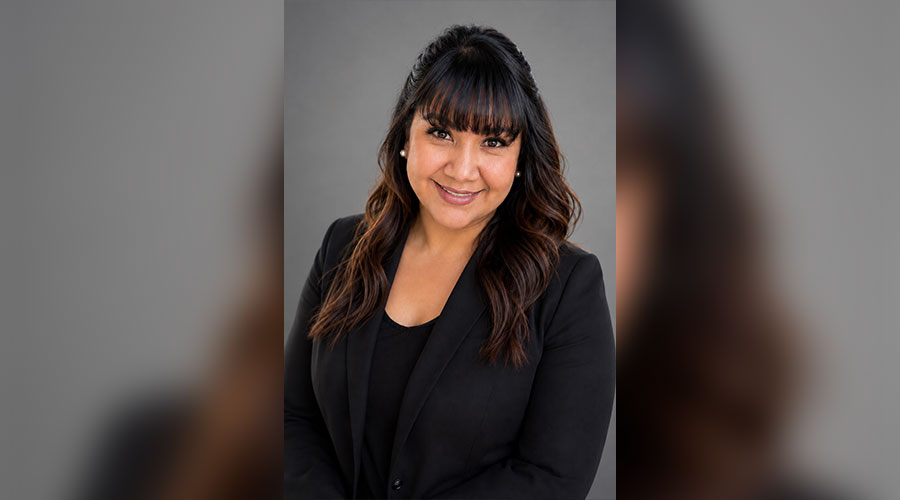
Yanet Vega of El Rio Health discusses the changing role of women in facilities management and how communication, transparency and individualized support can help employees grow. August 19, 2026
By Jeff Wardon, Jr., Assistant Editor
Key Takeaways:
- Women are increasingly visible in facilities leadership and skilled trades, but persistent assumptions about their roles show that the industry still needs to challenge gender bias.
- Inclusive facilities teams are built through transparent, adaptable communication that recognizes different learning styles, strengths and development needs.
- Leaders can support career growth by encouraging training, peer learning and tailored project assignments while valuing the distinct perspectives each employee brings.
As facilities management continues to become more diverse, leaders have an opportunity to create workplaces where employees feel supported, understood and empowered to grow. Yanet Vega, director of facilities and environmental services at El Rio Health, will discuss the evolving role of women in facilities management in her session "Why Horseshoes Win: Rethinking Women's Access, Inclusion, and Growth in FM" at NFMT West in Las Vegas from November 3 to 4.
FacilitiesNet: Facilities management has traditionally been a male-dominated field. From your perspective, how has the industry's approach to inclusion evolved, and where do you still see opportunities for improvement?
Yanet Vega: In more of the projects that I've been involved in, I've seen more female leads and more women in the trades. It's still very scattered, but you see it more now than you did maybe a few years ago.
But the industry is still very, very different toward female leaders. In my experience, when I meet somebody new and they don't know me, they don't know the position I'm in. They assume that I'm more in an administrative role rather than overseeing buildings.
FN: What are some practical steps facilities leaders can take to create workplaces where employees from all backgrounds feel valued and have opportunities to grow?
Vega: It's important to take the time to understand your teams and to accommodate how you relay information, because everybody, depending on what they're doing, understands things differently. I also believe communication and transparency are key.
When you do that, you're able to understand the team's needs, encourage them, recognize their strong suits and create opportunities for them to learn. For example, with the facilities technician teams, I work with them on projects where I understand how they work and what they're good at. Then I try to assign projects where they're able to teach each other their skill sets, to encourage them to grow and become more well-rounded.
And if any of them show interest in something — "Oh, can I take an electrical class?" or "Can I take a class for this particular interest?" — we encourage that. That way, they feel like they're learning, being challenged and growing toward enhancing their skill sets and creating opportunities for future growth in their careers.
FN: If there was one misconception about inclusion in facilities management that you wish more organizations would challenge, what would it be, and why is addressing it important for the future of the profession?
Vega: You can't treat everybody the same because we're all different, and we're at different levels of understanding.
I think some people have the misconception that when you assign a project, a ticket, anything, everybody is going to understand what's expected from beginning to end. It's important that people take the time to explain what is needed and accommodate whoever they're working with, or the team, to make sure they understand.
That also tends to happen when you're working on a large project, and you have an architect, a contractor, the owner or different subcontractors involved. People don't always understand what's being asked. So, when you tailor your approach and take the time to understand, I feel like you make people feel included, and there's less room for error and miscommunication.
FN: What do you think will be the most important takeaway from your session?
Vega: Just the fact that there is no one way to do anything. There are multiple ways, multiple perspectives and everybody has their own experiences. So, I feel that my experiences are unique, just as everybody else's are. Everybody should always advocate for others and try their best to understand the different people around them.
To learn more about inclusivity, be sure to check out Vega’s session at NFMT West 2026 this November. Register for West here.
Jeff Wardon, Jr., is the assistant editor for the facilities market. With more than three years of experience, he covers topics including technology, wellness, sustainability and emerging industry trends. Connect with him on LinkedIn.
Next
Read next on FacilitiesNet