Deferred Maintenance Isn’t a Strategy: Build a Prevention First Culture Instead
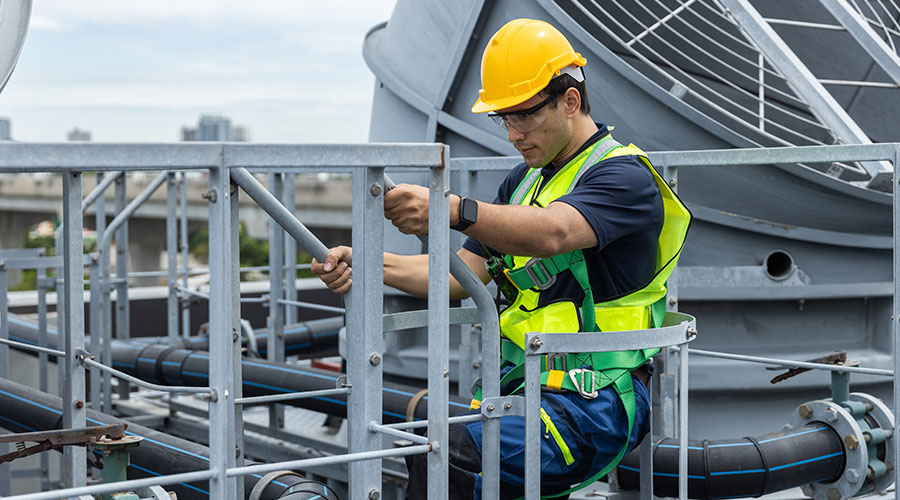
Deferred maintenance may seem like a practical short-term decision, but it often creates long-term operational risks.
By Maria Ruiz, Contributing Writer
Key Takeaways:
- Deferred maintenance isn’t a long-term strategy but a symptom of reactive operations that ultimately increases risk, costs and the likelihood of preventable crises.
- Creating a prevention-first culture requires facilities teams to prioritize preventive maintenance, anticipate potential failures through proactive monitoring and consistently execute planned work instead of defaulting to deferrals.
- Shifting from crisis management to continuous management demands leadership, accountability and organizational discipline so that maintenance is viewed as an essential operational priority rather than a task to postpone.
Here’s something I’ve learned after years of managing facilities that deferred maintenance feels like a strategy until you realize it most definitely isn’t. It’s actually the easiest trap to fall into and the hardest to escape once you are engulfed by it.
Deferring maintenance seems logical in the moment. Budget’s tight? Defer. Staffing’s stretched? Defer. Emergency comes up? Defer the preventive work. Each decision feels reasonable from a distance. But that’s exactly the problem. Deferred maintenance isn’t a plan. It’s the default that lures us in the moment as facilities managers. I’ve realized that the defaults are how we end up managing in crisis instead of managing strategically and what I call the real work.
I want to shift how we think about this as a profession. Deferred maintenance shouldn’t be a standard operating procedure. It should be recognized as a symptom of systems that don’t work the way we need them to.
The difference between accepting deferred maintenance as normal and building prevention first cultures come down to mindset as well as advocacy for that mindset. We need to choose to view maintenance not as something we fit in when convenient but as continuous work requiring constant management. Prevention, prediction, execution. That, in my professional opinion, should be the cycle. Not deferral.
Prevention means building systems where maintenance happens regularly and reliably. It means protecting preventive maintenance time like you protect emergency response time. It means your team knows that a quarterly HVAC inspection isn't optional but built into the fabric and a program that needs to be done. That seasonal walkthrough happens regardless of what else is happening. That equipment maintenance follows a schedule because the schedule protects your operations.
Prediction means developing the capability to see problems before they become emergencies. It means your team is trained to notice patterns. Temperature variations that signal HVAC issues. Water stains that predict leaks. Unusual sounds from systems. It means creating culture where someone can say, this equipment is going to fail in six months if we don’t address it now and we listen.
We plan. We act before a crisis forces our hand. It seems so simple, but we allow deferrals instead of allowing proper procedures to protect assets, systems and most importantly people. Lately, I’ve been thinking profoundly about how deferral is a high risk. We risk safety and deferring may evidently lead to emergency responses that could have been mitigated and even outright prevented.
Execution means we actually do the work we’ve planned. We follow through. We complete preventive maintenance even when emergencies pull our attention. We maintain the discipline required to manage continuously instead of frantically.
Building this culture requires teamwork. It requires me as a facilities leader to create space for this work. It requires my team to understand that we’re all accountable for prevention, not just response. It requires honest conversations about what we’re deferring and why. It requires asking important questions like, is this deferral necessary, or are we just defaulting to the easy choice?
What we can’t do is continue accepting deferrals as standard. Because it’s not. Industry standards, IFMA guidelines, best practices all point to prevention first approaches. We have the knowledge. We have the frameworks. Over the course of my career, it seems like choosing deferral has become the norm more often than choosing prevention.
Let’s, as an industry, shift perspective. From viewing deferred maintenance as an inevitable consequence of constraint, to viewing it as a choice we can make differently.
What if instead we built a culture where prevention is protected? Where your team knows maintenance schedules matter? Where prediction is valued and execution is honored? Where deferral requires real justification, not just convenience?
That’s not harder. It’s actually easier long term because you're not constantly managing crises. It’s just different. It requires discipline. It requires teamwork. It requires commitment to continuous management instead of episodic panic.
That’s the mindset shift our profession needs, not facilities managers working harder in crisis mode. Facilities teams working together to prevent crises from happening.
That’s how we stop defaulting to deferral. That’s how we build something better.
Maria Ruiz is a Facilities Operations Manager at UNICEF USA with 15+ years of cross-sector expertise. Overseeing multiple national offices, she applies Lean Six Sigma methodologies to create sustainable, efficient workspaces supporting humanitarian missions. Her writing champions women in facilities management by blending technical knowledge with practical insights that empower professionals in this traditionally male-dominated field.
Related Topics: