Facilities managers can overcome reactive building operations by moving toward centralized, integrated platforms that enable real-time monitoring and coordination.
The key to unlocking significant energy savings and performance gains is for facilities managers to prioritize operational excellence before turning to costly capital upgrades.
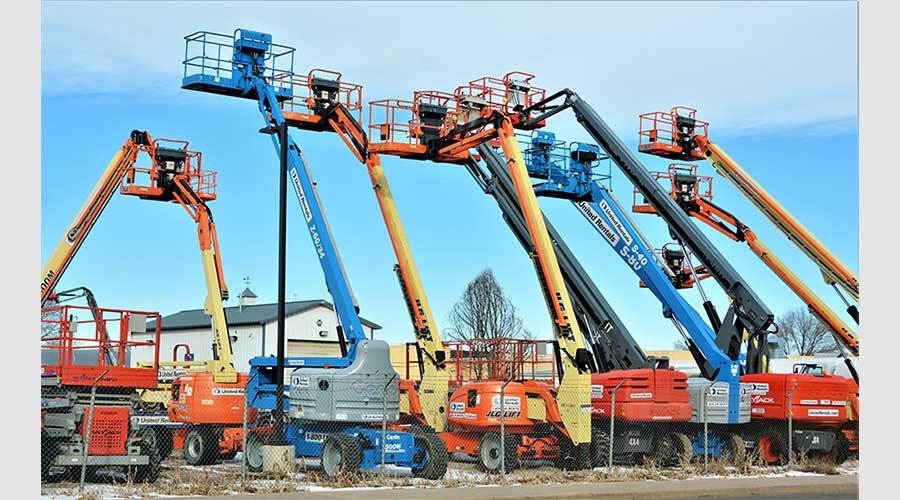
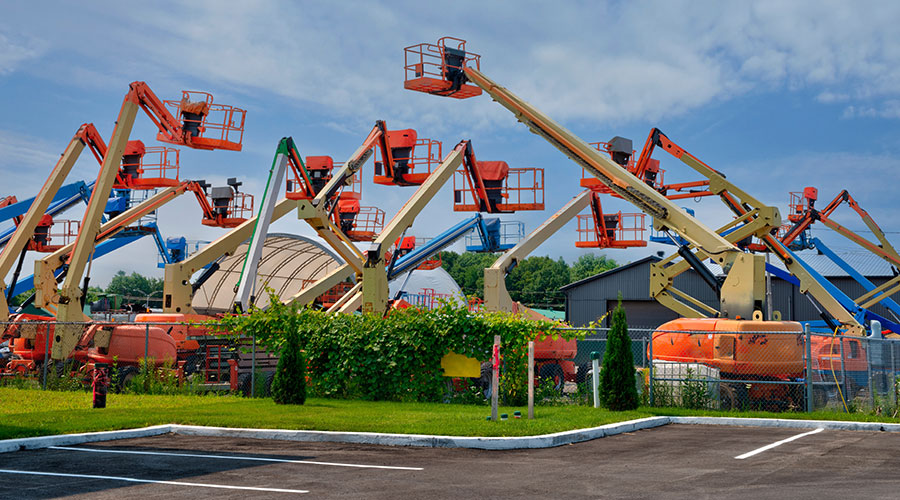
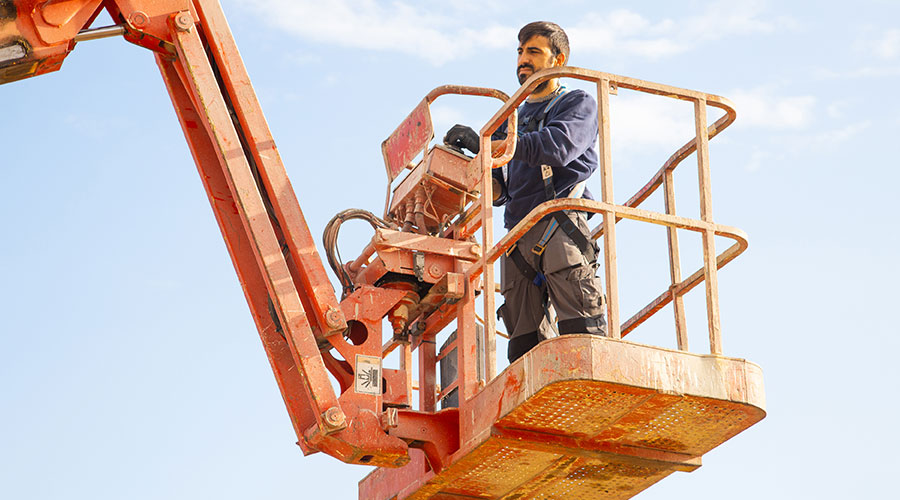
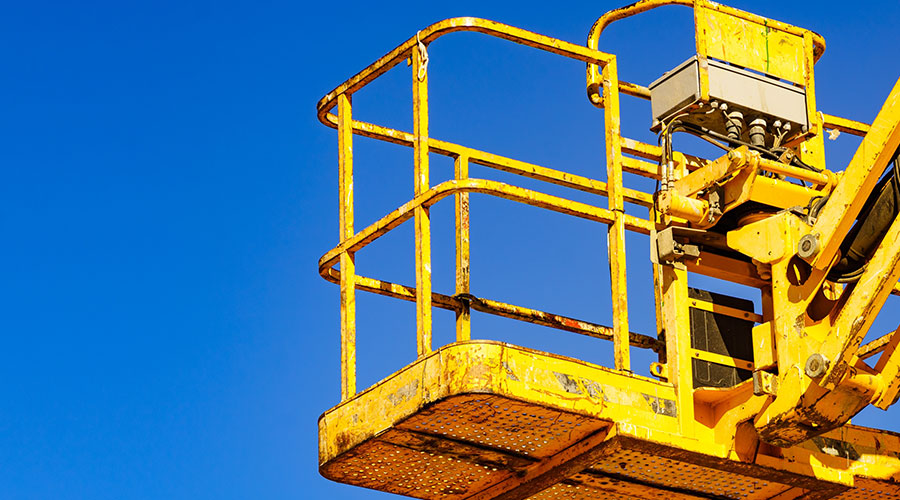
For maintenance and engineering managers, renting lifts and mobile elevated work platforms (MEWPs) can provide a practical way to handle everything from lighting and HVAC maintenance to specialized projects without the cost and commitment of purchasing the equipment. But choosing the most effective machine for the task and understanding the true cost of the rental requires more than calling a rental house and asking.
Robert Rivera, CEO of Elevated Equipment Rentals, says managers should pay attention to three things.
1: Rental duration and billing
Before placing an order, managers should have a clear understanding of the rental timeline. This is especially important for facilities work, where a project may depend on other contractors or maintenance schedules. Rivera says rental charges are based on the time the equipment is out on rent, not necessarily the number of hours it is being used. Managers should select one person who is responsible for notifying the rental company when the department is finished using the equipment, and they should build a realistic start and end date into the original plan.
Another budgeting detail that can catch managers by surprise is that rental months are typically based on a 28-day cycle.
"If a facilities manager wants to rent for a longer period of time — let's say a year — they would be getting 13 invoices versus 12," Rivera says. "That may not sound significant, but it is an important distinction to make." Understanding the rental cycle up front can help managers build a more accurate equipment budget.
2: Selecting the most effective equipment
The second consideration is equipment selection. Rivera says managers should not simply order a lift based on a desired platform height. They need to understand the operator’s task, the job site and the operator.
"The machines are all based off of platform height and touch height," Rivera says. "We don't know if an operator is going to be 5-foot-2 or 6-foot-7, so it is up to the manager to paint a clear picture of who is operating and for what job."
The most frequently rented machines for facilities maintenance work are electric scissor lifts, electric boom lifts and industrial forklifts. Rivera says the specific requirements for the work should drive the selection decision rather than choosing the largest machine available.
Cost should also be a part of the equipment selection conversation.
"Most of the time, facilities tasks can be satisfied with either a scissor or boom lift," Rivera says. "It's a lot more inexpensive to rent a scissor lift than it is a boom, which is why it is so important to have a conversation with the rental provider before ordering any equipment."
3: Understanding site conditions and access
Even if a MEWP is the right size and type for the job, managers need to make sure the job site can accommodate the equipment, and initial planning can prevent delays and extra delivery costs.
One of the first things to consider is the ground condition, which can affect not only where the machine can travel but whether it can reach the required working height.
"Most of these machines have sensors on them," Rivera says. "If those sensors are triggered, they won't go up any higher. It's a safety mechanism."
Access to the work area is another important consideration.
"A lot of the time, managers don't take into consideration that there are curbs in front of the building or stairs to get into the building and other things like that," Rivera says.
For jobs with difficult access or in tight work areas, Rivera says managers need to bring the rental provider into the planning process early. A rental agent can do measurements and look at site conditions to determine the best equipment option.
Elaina Myers is the assistant editor of the facilities market. She has covered various topics from pest management to resilience to sustainability and covers all holidays and special days in the facilities field. She also manages the FacilitiesNet social media accounts.