Freezer Focus: Advancing Sustainability in Higher Ed Research Labs
The International Freezer Challenge competition encourages labs to adopt sustainable freezer practices. April 1, 2026
By Elaina Myers, Assistant Editor
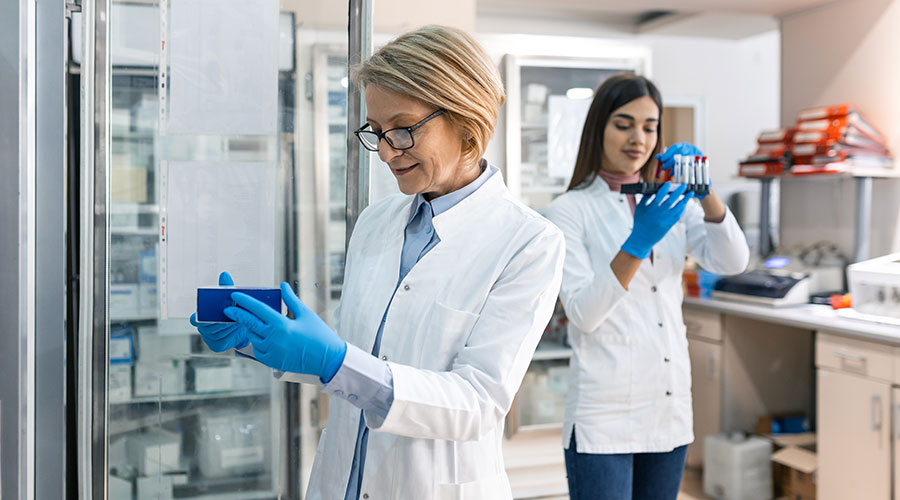
Ultra-low temperature freezers store biological specimens, chemicals and other high-value research materials for long periods, making them crucial elements of research labs in higher education facilities. Without reliable freezer storage, universities risk losing important research data. Yet these essential tools come at a cost: Ultra-low freezers are among the most energy-consuming pieces of equipment in a lab.
This presents both a challenge and an opportunity for campus facilities teams to navigate. According to the Royal Society of Chemistry, research labs are responsible for 60-65 percent of a university’s total energy consumption, making them a key focus for sustainability efforts. By addressing freezer efficiency, universities can reduce operational costs and lower their environmental impact.
To address this challenge, My Green Lab, has once again kicked off the International Freezer Challenge — an annual competition that encourages labs to adopt sustainable freezer practices. Participating labs take practical steps, such as improving inventory tracking methods, defrosting units, removing unneeded or expired samples and making energy efficiency upgrades. These actions help improve accessibility, extend equipment lifespan and reduce maintenance costs. This is a free challenge held virtually until the end of June.
The results of this competition are significant. Since its launch in 2017, the Freezer Challenge has driven more than 108 million kWh in energy savings globally, with tens of millions saved each year. For higher education institutions, participation can foster collaboration between researchers and facilities teams while building accountability. In 2025 alone, 3,724 labs globally participated with 41 percent being academic labs.
Elaina Myers is the assistant editor of the facilities market.
Next
Read next on FacilitiesNet