How to Select the Most Appropriate Lift
Most facilities present front-line technicians with a host of hard-to-access job sites for maintenance and engineering tasks. The challenge facing managers is finding the right piece of equipment to bridge the gap.
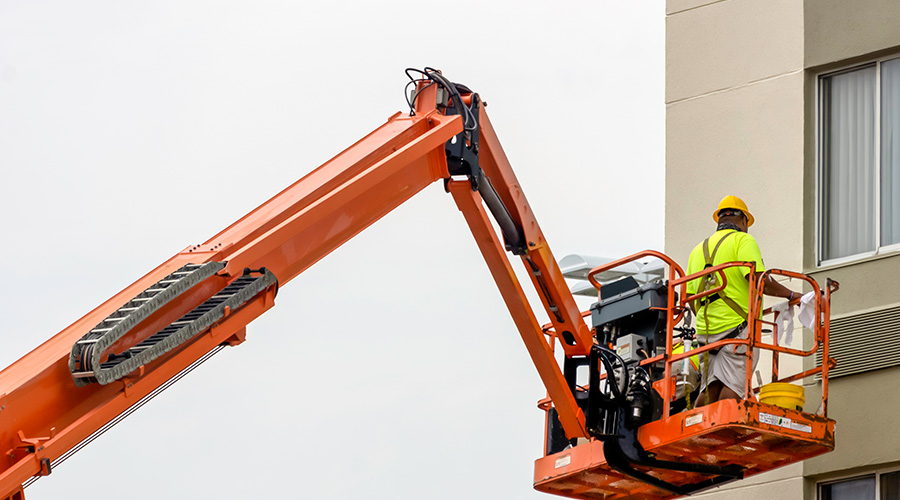
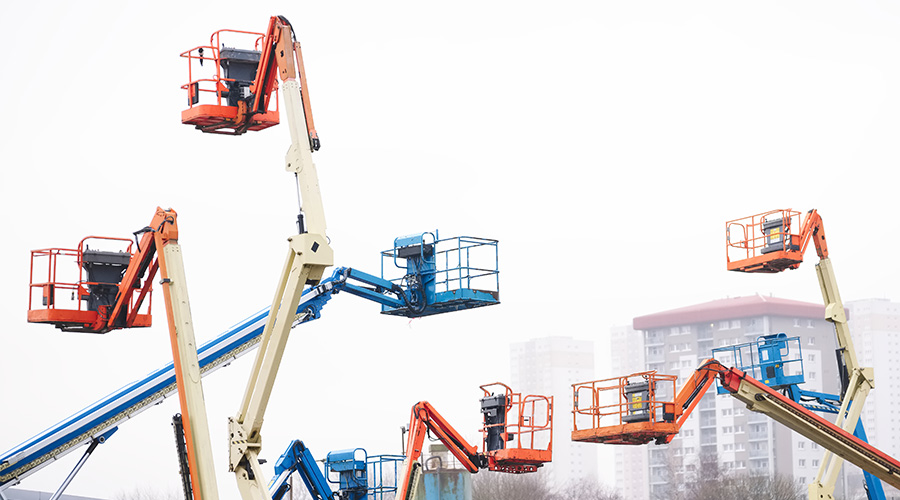
Aerial work platforms, or lifts, come in an array of sizes and styles, including telehandlers, scissor lifts, telescope lifts, and boom lifts. They offer features and functions designed to address the full range of activities technicians undertake daily in and around institutional and commercial facilities.
Assessing Needs
A considerable overlap in capabilities exists among various lift styles. To select the most appropriate equipment based on specific needs, managers can consider the range of tasks for which technicians need to access hard-to-reach locations.
Two exercises can help managers choose the most appropriate equipment: a search of equipment records in the computerized maintenance management system work-order database to locate the job sites and a tour of these hard-to-reach areas to evaluate conditions.
Lift equipment can help technicians perform a range of activities. Generally, technicians tackling interior work — such as cleaning windows, relamping, and cleaning and painting high-bay areas — benefit from using lifts.
Lifts also can improve the productivity of technicians completing less-frequent repairs, such as upgrading piping and electrical distribution systems. This category also might include shutdown work that must occur when occupants are away, such as painting high-traffic areas and repairing high-bay electrical-distribution systems.
Many organizations also use lift equipment for outdoor tasks, such as cleaning windows, cleaning transformers and insulators at electrical-service entrances, and painting boiler stacks. Finally, managers often specify lifts for larger projects, including replacing roofs, expanding or upgrading heating, cooling, and ventilation equipment, and other work involving a variety of structural, mechanical, and electrical tasks at high elevations.
Related Topics: