Flood Response: Steps for Controlling Mold
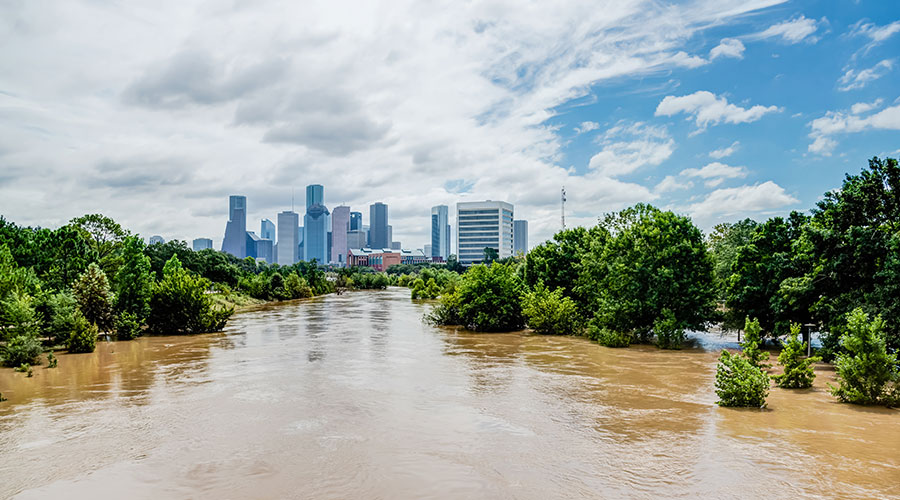
Once the river crested, it took about two weeks for the water level to drop low enough for crews to access mechanical and electrical systems. With no control over temperature or humidity, mold became a primary concern.
“Our number-one priority became not to let these affected buildings start to grow mold,” Heater says. “Now it’s not just the parts of the building that were touched by the river water.”
To combat the mold threat, Heater asked a contractor to bring in portable ventilation and drying equipment.
“Our goal became to run this equipment, elevate the temperature up into the 80s and make it as dry as possible,” he says. “Essentially, we created an arid desert environment.”
Because the campus lost power, the impact of the flood went beyond the buildings containing water. The campus utilities group brought in temporary chillers and boilers to ensure non-flooded buildings could resume normal operations.
“They very quickly brought in temporary chillers, set them up and literally built these external systems that made connections to some of our looped systems that would allow us to put some things back into service for buildings that were not affected — the buildings that should have been at normal operations,” Heater says.
Of the 8 million square feet of space Heater is responsible for, 6 million was unaffected by the flood. The campus is split into zones, and each zone has a manager. That structure allows Heater to step away from his daily duties and spearhead an effort such as flood recovery.
As the university finishes renovating, rebuilding, and relocating certain buildings, departments in facilities most affected by the flood are using temporary facilities. Managing these off-campus buildings — including an empty, 300,000-square-foot Menards store serving as the arts campus — can be a challenge for maintenance and engineering staff, but Heater says his department can handle it.
Says Heater, “We have an organization that’s not just built around reacting to failures. We’re not just a customer-service demand system. We’re a group that practices building stewardship and ownership, which is a proactive program of planned work and corrective work.”
Related Topics: