• Firestone Building Products Automated Logic
  • Email
  • Print
  • RSS
  • Share/Save/Bookmark

Cooling and Heating When It Counts

Part 1: Managers Must Prepare for HVAC Emergencies

Part 2: Developing an HVAC Emergency-Preparedness Plan

Part 3: Emergency Preparedness: Consider Heating and Cooling Loads

Part 4: Steps for Implementing a Support Structure for Temporary HVAC Equipment

Part 5: Where Is the Best Place to Install Temporary HVAC Equipment?

Part 6: Temporary HVAC Equipment: The Rent-or-Buy Decision


Temporary HVAC Equipment: The Rent-or-Buy Decision

By James Piper, P.E.
November 2009

Depending on the facility and the particular application, managers have the option of buying standby equipment or arranging for its rental on short notice.

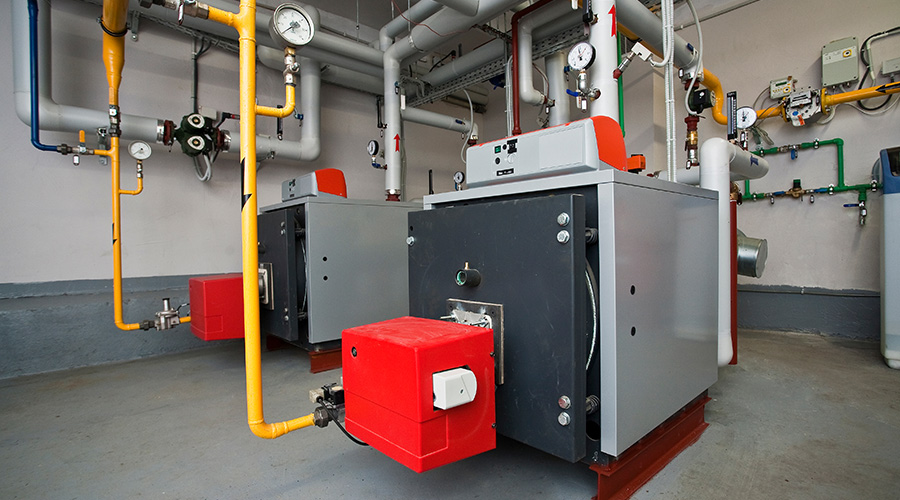
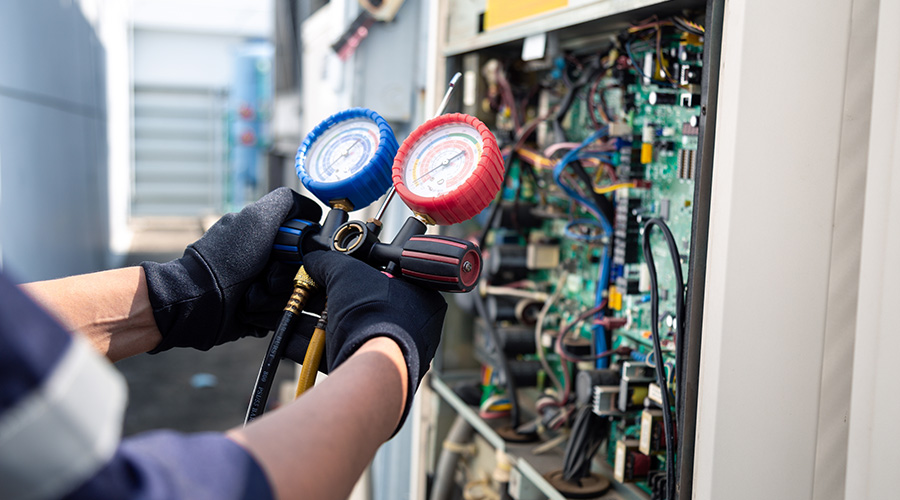
Managers can purchase certain pieces of equipment — such as portable spot-cooling systems technicians can easily move among locations — and store them on-site. Purchasing equipment makes economic sense if the department will use the equipment throughout the building and if the frequency of use can justify the purchase cost.

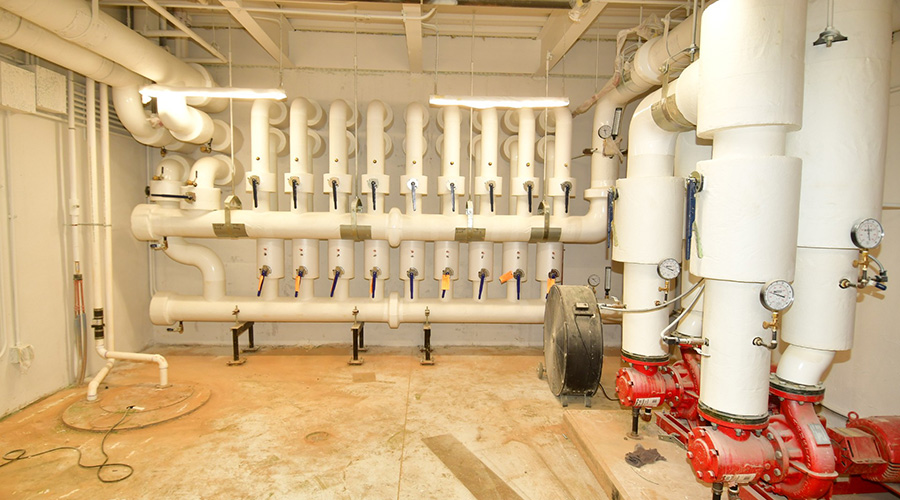
Renting makes more sense for larger equipment that departments use less frequently. The key here is to set up the rental agreement ahead of time. In addition to identifying the needed equipment, the agreement also must spell out the availability of the equipment and how soon it would be delivered to the site.

Partnering with an equipment supplier for rental provides managers with the quickest turnaround time for the delivery and installation of temporary equipment. Having equipment specifications on file with the supplier ahead of time can ensure delivery and installation of the required equipment with minimal delay. By preparing the facility for a temporary system, managers can minimize installation time and costs, as well as disruptions.

Share/Save/Bookmark

Comments

Add a comment

Prev


Cooling and Heating When It Counts

Part 1: Managers Must Prepare for HVAC Emergencies

Part 2: Developing an HVAC Emergency-Preparedness Plan

Part 3: Emergency Preparedness: Consider Heating and Cooling Loads

Part 4: Steps for Implementing a Support Structure for Temporary HVAC Equipment

Part 5: Where Is the Best Place to Install Temporary HVAC Equipment?

Part 6: Temporary HVAC Equipment: The Rent-or-Buy Decision


MORE ON THIS TOPIC

Browse articles on hvac, heating and cooling, temporary hvac, rent vs. buy, equipment rental on FacilitiesNet

View more FacilitiesNetFacilitiesNetEquipment Rental & Tools, FacilitiesNetHVAC, FacilitiesNetEmergency Preparedness content

Search for hvac, heating and cooling, temporary hvac, rent vs. buy, equipment rental articles on FacilityZone

Click here for more information about NFMT


Sign Up For Free Industry-Update Emails

  • Building Maximizer
  • Facility Care
  • Facility Insider
  • Maintenance Insider


*************************
*************************
*************************

Site Highlights


Getting Started With Lighting Occupancy Sensors

What You Need To Know About Flat Roof Coatings

Obama Focuses on Energy Efficiency

Carpet Quality Matters: Ways to Evaluate Carpet Quality