Choosing Smart Facility Software: What Facility Managers Need to Know
Modern facility software platforms help managers make smarter operational decisions while preparing buildings for the future.
Key Takeaways:
- Smart facility software helps managers balance occupant comfort with rising energy costs by providing real-time visibility into building performance and using AI-driven analytics to optimize HVAC, lighting and other building systems.
- Beyond energy management, modern facility platforms improve overall operations by automating maintenance workflows, supporting asset and vendor management, strengthening security oversight and enabling faster responses to equipment issues.
- Successful software implementation depends on selecting a platform that aligns with operational goals, integrates with existing systems and cybersecurity requirements, and is backed by trained staff and well-defined processes that turn data into measurable results.
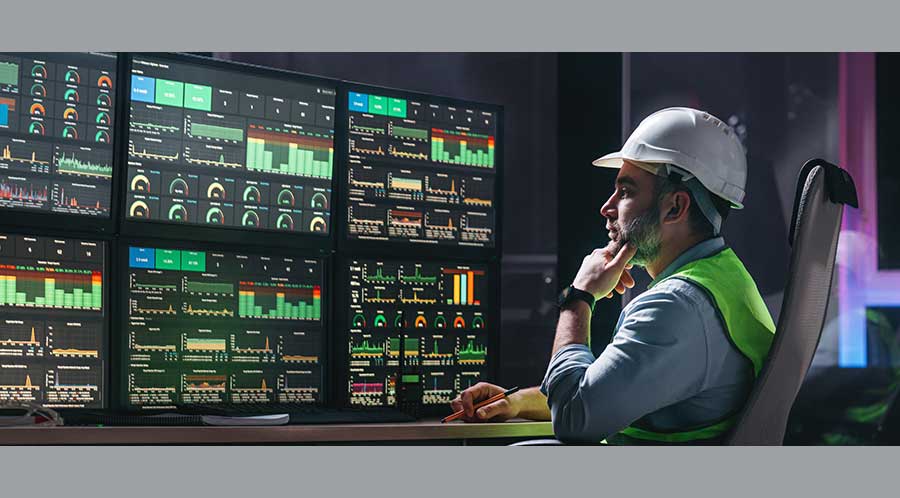
As energy costs continue to fluctuate, facility managers face increasing pressure to maintain occupant comfort while controlling budgets. Smart facility software platforms address this challenge by providing real-time visibility into building performance.
“Smart software tools provide real-time monitoring and visibility into energy usage, allowing operators to be proactive rather than reactive in addressing issues,” says Arati Sakhalkar, project engineer at Affiliated Engineers. Using AI- and machine-learning-based analytics, these platforms can analyze building data and recommend operational adjustments designed to improve efficiency without sacrificing comfort.
They can optimize HVAC, lighting and other building systems for energy and operational efficiency, fine-tune systems based on actual occupancy and weather patterns and predict demand peaks based on historical data, Sakhalkar says. Some advanced systems even allow buildings to automatically respond to changing conditions.
“This dynamic, data-driven decision-making capability allows facilities to continuously balance comfort, performance, and cost,” she says.
These insights are increasingly important for managers navigating volatile energy markets, says Heather Callaway, technology systems department manager at Gresham Smith, an architecture, engineering and design firm.
“These tools provide real-time insights into building performance and energy usage, allowing facility managers to make informed, data-driven adjustments that enhance energy efficiency,” she says.
Improving overall building management
Beyond energy savings, facility software platforms can significantly improve the overall management of a building. The systems automate many routine tasks, such as work order creation, preventive maintenance scheduling and asset tracking to help facility teams operate more efficiently.
“They streamline and automate core facility management processes, including work order generation, preventive maintenance scheduling, alarm routing and asset tracking,” Sakhalkar says. By embedding institutional knowledge in digital systems, these platforms also can help organizations address staffing challenges, and they can reduce operational risk and downtime while improving resilience through centralized visibility and early fault detection.
Callaway says facility software also can support vendor management and physical security operations.
“These platforms help ensure equipment is maintained as intended, vendors adhere to their schedules, and physical security measures are properly monitored and managed,” she says. The software also can send alerts and notifications to the appropriate personnel when issues arise, enabling faster response times and improved operational efficiency.
Selecting a platform
With so many facility software options available, choosing the most appropriate platform can be challenging. Managers should begin by carefully evaluating their operational needs and long-term goals.
“When selecting a facility management platform, it is important to conduct a functionality analysis,” Sakhalkar says. “Evaluate whether the platform’s features and functionality truly address the owner’s needs and technical requirements.”
Cybersecurity and IT compatibility also should be priorities, particularly because many systems move to cloud-based environments. Managers need to review the product’s alignment with the organization’s IT standards, including data security, network architecture, access controls and compliance requirements.
Cost considerations should extend beyond initial purchase price to include long-term expenses such as implementation, integration, training, and ongoing support. Callaway says usability is another critical factor.
“The user interface will be the facility manager’s primary interaction with the system, so it needs to be intuitive and exceed user expectations,” she says. Integration capabilities are equally important.
“Selecting a platform that can act as an overlay — integrating and consolidating data from multiple systems — is key to providing a comprehensive snapshot of facility operations,” she says.
She also stresses the importance of working with the right implementation partner.
“Make sure to choose a reliable partner to guide you through the selection process,” she says. “Once you commit to a vendor, switching systems can be difficult and costly if the software does not meet your expectations.”
Turning data into action
While advanced software platforms offer powerful capabilities, technology alone does not guarantee success.
“Platforms such as BAS, CMMS and (fault detection and diagnostics) are powerful tools, but they only create value when supported by the right people and well-defined processes,” Sakhalkar says. Organizations must invest in training and establish clear workflows to ensure data insights lead to meaningful operational improvements.
As buildings become more complex and as energy efficiency becomes a higher priority, facility software platforms are poised to play an increasingly central role in successful building management.
“Without clear processes and accountability, even the most advanced systems can become underutilized dashboards rather than tools that drive measurable outcomes,” Sakhalkar says.
Maura Keller is a freelance writer based in Plymouth, Minnesota.
Related Topics: