Rethinking Access Control as Buildings Evolve
Modern access control strategies prioritize software, system integration and phased upgrades to align security with changing facility operations and user behavior.
Access control needs can vary significantly by facility type.
Office environments often require flexibility to account for changing staffing levels and tenant mixes. Healthcare facilities need layered access controls to protect patient areas, pharmaceuticals and sensitive records. Mixed-use properties present additional challenges because they combine public, private and commercial spaces, making zoning and traffic flow critical to system design.
These challenges require the use of integrated access control systems that can accommodate a range of needs and restrictions, but many owners focus too heavily on door hardware while overlooking the software platforms that manage credentials, automate workflows and integrate with video systems, Sailor says.
“The real long-term value comes from a system that can scale, integrate cleanly and simplify ongoing administration,” he says.
Access controls are not set-and-forget technology. Facility managers must schedule regular system reviews to answer two key questions: Is unauthorized access occurring? Are systems being bypassed or misused?
Employees also should be encouraged to report malfunctions, workarounds and abuse of access privileges they observe.
Owners can also make facility managers use these routine reviews to determine whether access controls are still aligned with the way occupants and visitors actually use the building. Changes in staffing levels, tenant mix, operating hours and space utilization can impact how access points should be managed. Monitoring these access patterns over time helps identify weak points early, before they turn into larger security vulnerabilities.
Dimoff says that stakeholders must be involved in the evaluation process rather than relying on technology alone.
“You have a bunch of eyes and ears going in and out of that building, so utilize them,” he says.
Ensuring successful upgrades
Planning upgrades is a crucial step toward maintaining an effective access control strategy. New-generation access control technologies are far more compatible with existing infrastructure than older systems. In many cases, owners can enhance performance via software upgrades and added features rather than replacing equipment.
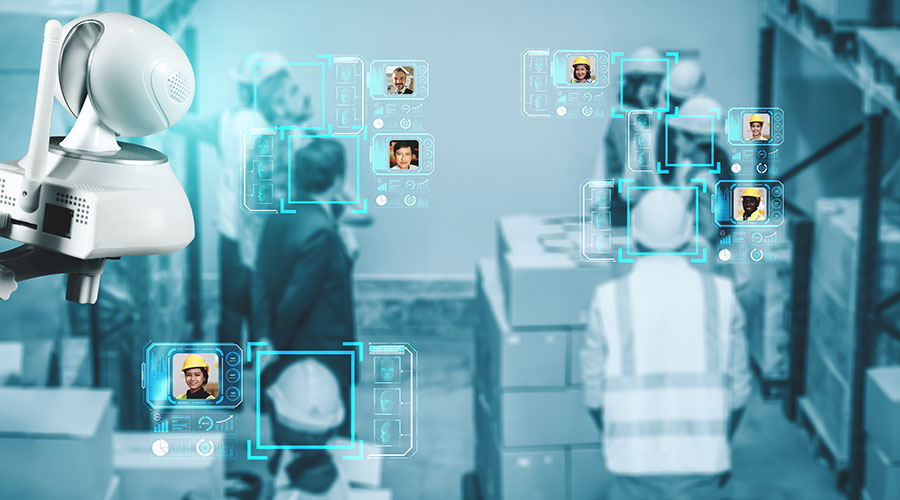
Recent advancements such as incorporating AI into cameras and access control platforms can improve visibility and responsiveness without adding to operational complexity. These upgrades enable systems to become more efficient and effective over time, rather than rendering them obsolete.
Costs remain a common concern for owners.
“A lot of people do worry about costs,” he says. “The difference between today and just five years ago is that if someone came in and wanted to upgrade your access controls, you had to gut out all your old equipment. Nowadays, technology is very compatible. You can take your existing electronics and use modern upgrades, including AI, and it can adapt to your existing equipment.”
Phased rollouts allow owners to prioritize high-risk or high-traffic areas first while spreading costs over time, Sailor says. Cloud-enabled and hybrid platforms also make it easier to manage credentials, monitor activity and maintain consistency across multiple sites.
An effective access control system is less about using the latest technology and more about making sure owners understand the daily functions of facilities. Armed with that understanding, owners can implement strategies that support safety and operations over the long term.
Jeff Wardon, Jr., is the assistant editor of the facilities market.
Related Topics: