Cleaning for Health: Building Safer, More Sustainable Cleaning Programs
Cleaning expert Steve Ashkin discusses the challenges of price pressure, workforce retention and technology — and how facilities can better protect occupant health. October 9, 2026
By Jeff Wardon, Jr., Assistant Editor
Key Takeaways:
- Price pressure and limited labor can prevent cleaning teams from delivering the full health benefits their programs are designed to provide.
- Safer, certified cleaning products are widely available, but effective programs also require proper training, protective equipment and investment in worker retention.
- Performance measurement, occupancy sensors, robotics and artificial intelligence can help facilities direct cleaning resources where they are most needed.
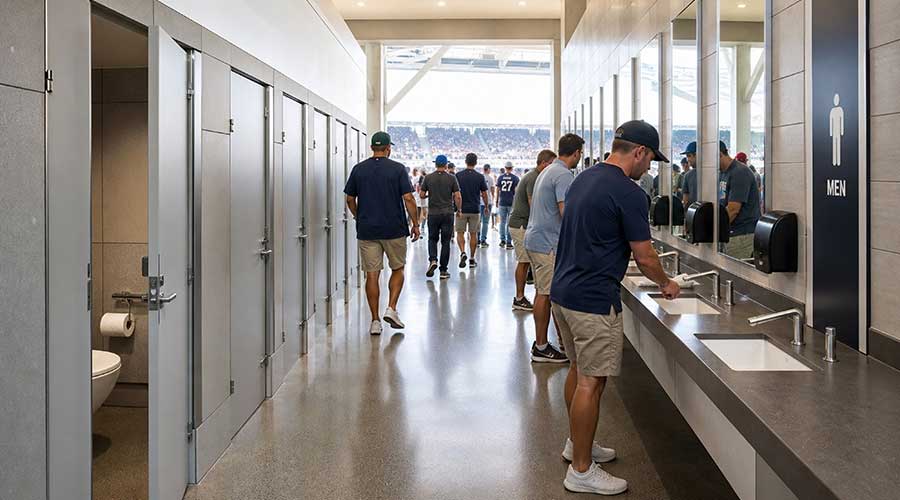
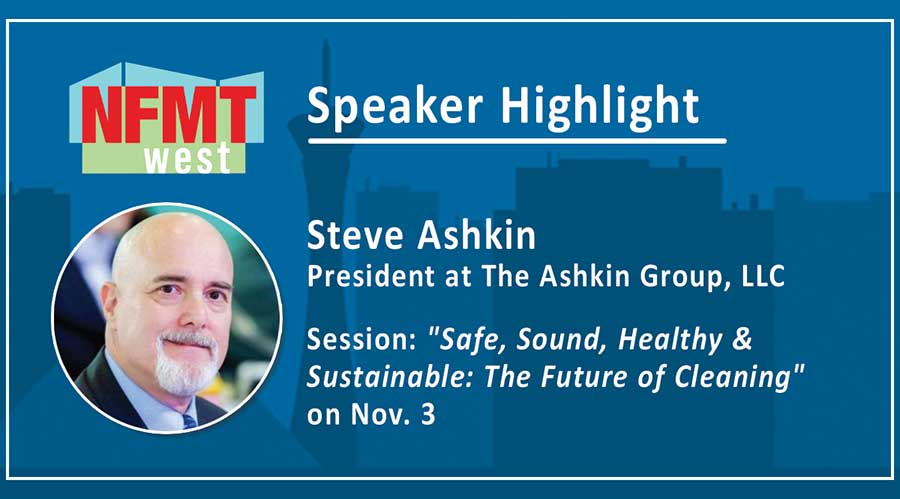
Cleaning plays a vital role in protecting building occupants, but tight budgets can limit how effectively teams do that work. In his session “Safe, Sound, Healthy & Sustainable: The Future of Cleaning,” Steve Ashkin, president at The Ashkin Group, LLC, explains why safer products, well-supported workers and tools such as occupancy sensors can help facilities make cleaning programs healthier and more sustainable. Ashkin’s session and more will be live at NFMT West in Las Vegas from November 3 to 4.
FacilitiesNet: How has the role of cleaning evolved beyond maintaining appearance?
Steve Ashkin: This is one that I have a tough time with.
The reason I say that is because Dr. Michael Berry wrote the book Cleaning for Health, Protecting the Built Environment back in the late 1980s, and we all got really excited about that. And now, as an industry, we all speak a lot about the value of cleaning and the value of protecting people's health and what have you.
On the one hand, that's all totally true. It is. It’s totally true. We really are essential workers in an essential industry, and our work literally protects people's lives, as well as the facilities that we serve. It really does.
But I think we need to be honest with ourselves about the incredible price pressure that's been placed on our industry. While we want to talk about cleaning for health, price pressures often prevent us from doing that simply because we don’t have the labor, the hours, to actually clean as effectively as we should.
We understand the issues and created new technologies, greener products and green product certifications, introduced robots, AI and other technologies to measure surface cleanliness.
But the question now becomes: Well, are we really using them? Are we really doing the things that we need to do? Are we doing the things we know how to do? And are we really capable of getting our customers how important it is to create a budget that really is supportive of occupants’ health and well-being?
So, I have to tell you that I still remain very concerned.
While we know how to protect people’s health, I'm concerned that we’re not spending the money or time to actually be able to do what we're capable of doing.
And one of the things you’ll find from my discussion is that I’m hoping we’ll be able to give attendees the information to make a better business case.
FN: What practical steps can organizations take to make their cleaning programs safer and more sustainable?
Ashkin: There’s really two major parts to that. And the first part, and perhaps the easiest part, is using greener, safer, environmentally preferred products.
And that’s easy. Today, there’s all kinds of third-party certifications from organizations like Safer Choice, Green Seal, and Underwriters Laboratories. There’s certifications for everything. And there are hundreds of companies with thousands of products that meet these requirements, including those for disinfectants, floor and carpet care products. So, the product stuff is easy.
Today, green products work well, and are cost-effective, and I would wager that the vast majority of distributors out there make those products readily available for service providers, property management companies, building owners, you name it.
So, the product stuff — well, forgive me — in the year 2026 should be a no-brainer. Come on. Safer products reduce risk. They work. We should be using them. Come on.
The second part of it is really the harder challenge, which is making sure our people understand the appropriate processes and their training, making sure that we’re able to support them, that they know what to do, and that they know how to prioritize their work. It’s more than just checking a box.
They really can clean to protect people's health, but they have the right tools, the right personal protective equipment, and we also need to figure out how to care for our people.
In some sectors, there’s 300 to 400 percent turnover every year, which means those positions turn over three to four times a year. People don’t stay. It's hard to train someone who's not going to be there, or who goes through part of the training and then leaves, and you’re always starting over again, training somebody else. This wastes time and money, and places stress on the client’s business as well.
So, I really hope we’ll spend a lot more time focusing on our people, making sure not only that we're hiring the right people, but we’re also providing them with the right training so that we really can retain good workers.
And if anything, that’s the thing I think companies need to focus on: How do we keep people? You know, identify the new person. How do we keep them for three months? If they stay for three months, they’re likely to stay for a year. If they stay for a year, they’re probably going to work with the company for 10 years.
And as a side note, we wrote these things into LEED for Existing Buildings version 5 for to make sure we really are supporting our workers.
Because at the end of the day, cleaning is a labor- and people-oriented service. So, we need to make sure we have the right people, we have the right number of people, we have them doing the right things and we are taking proper care of them.
FN: What do you think will be the most important takeaway from your session?
Ashkin: Well, I think there’s really sort of two buckets for that.
The first bucket is helping people understand the difference between green cleaning and sustainability. That's foundational to all of this stuff. We don't want to be doing greenwashing. We don't want to be doing sustainability washing. We are the pros. We need to understand what the difference is.
The other bucket where I'm going to spend most of my time is giving 10 suggestions on things that people need to be paying attention to.
Things like investing in people. Things like understanding the availability of measuring cleaning performance, so it’s not just cleaning for appearances. We know that we’re not only protecting health, but that our building owners, our clients, are getting what they pay for in terms of protecting occupant health.
We’re going to talk about green product-related issues.
We’re going to talk about the use of occupancy sensors to create demand-based cleaning. Historically, we’re using task- and frequency-based contracts. So, the contract says you’ll clean this conference room three days a week. So, we clean it. Well, what if the conference room was never used during that week? Technically, we should clean it because that’s what the contract says. But now, today, with occupancy sensors, we can actually decide: Does a room really need to be cleaned? And then we can take those resources and apply them to the places where we really can protect occupant health, their performance, et cetera.
I’m also going to get into discussions about interesting new technologies like robotics and drones, and of course, artificial intelligence. These are things that people in our industry really need to start thinking about, specifically how it applies to cleaning and maintaining their building.
And then, of course, I want to spend time talking about sustainability, the opportunities that creates, and how they should really think about it in terms of selecting the best-value client that they can work with.
To learn more about facilities cleaning, be sure to check out Ashkin’s session at NFMT West 2026 this November. Register for West here.
Jeff Wardon, Jr., is the assistant editor for the facilities market. With more than three years of experience, he covers topics including technology, wellness, sustainability and emerging industry trends. Connect with him on LinkedIn.
Next
Read next on FacilitiesNet