Designing Office Lighting for Neurodiverse Employees
Thoughtful lighting strategies can help facility managers create more comfortable, productive and inclusive workplaces for neurodiverse employees.
Key Takeaways:
- Flexible lighting can help accommodate the diverse sensory needs of neurodiverse and neurotypical employees.
- Facility managers can use strategies such as dimmable lighting, natural light and workstation hoods to reduce glare and sensory distractions.
- Designing for neurodiversity should be viewed as a long-term element of inclusive workplace design rather than a passing trend.
Designing for the masses can be cumbersome. The human race is still inherently animalistic. People crave the ability to control their surroundings while still having the ability to hide and feel safe. However, facility managers can’t provide endless choices due to budget constraints and options in lightning design.
"If you design for an individual rather than the masses, then you'd have a huge amount of diversity," says Arnold Levin, principal with CWI. "When people design offices, you tend to work around the least common denominator, and lighting is more universal and by lighting code. A lot of that is driven by a budget. Can organizations afford to specify 50 different light fixtures to create different types of lighting atmosphere? A lot of this is pushed by facility managers because they don't have the space to stock this many different lights, and they're under pressure to keep costs down."
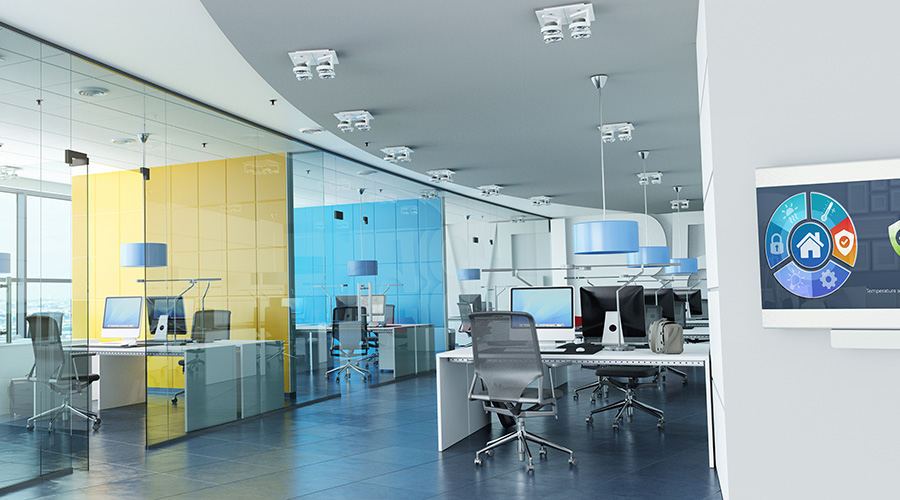
Designers “are not designing light at a facilities level," he says. "Obviously, there are organizations that are much more tuned to their population and want to create spaces that really understand how individuals work, whether you're neurodiverse or not. It might be worthwhile to hire a designer and have a budget that allows you to design different lighting levels and use different lighting fixtures to prevent that universal glare you get when you first walk into an office environment."
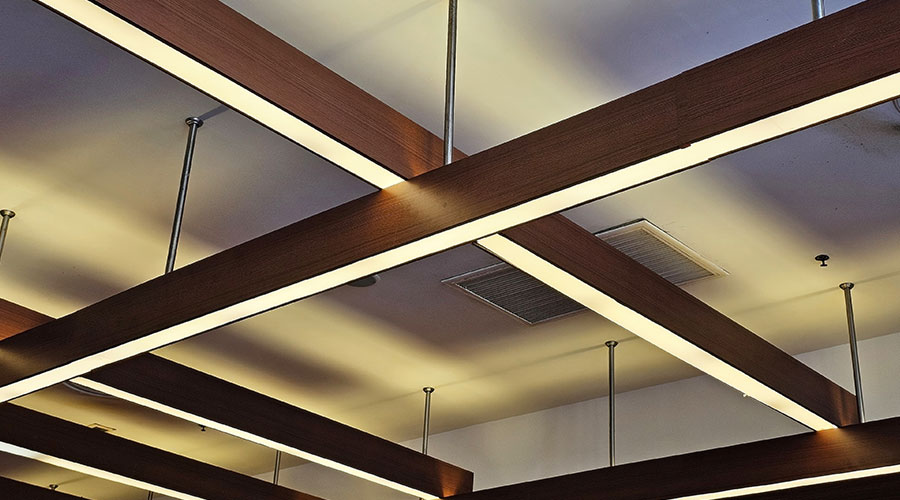
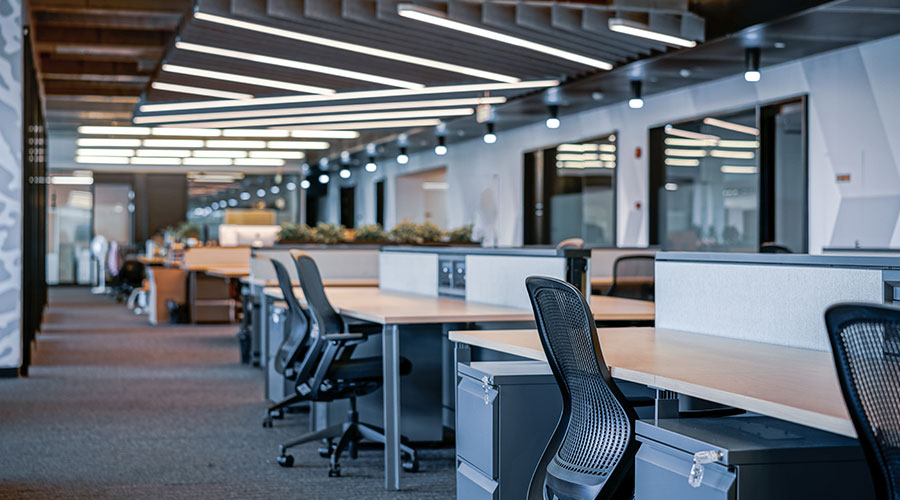
As lighting codes have evolved, many states have required buildings to have LED lighting that can be adjusted with dimmable switches. However, LED lighting can deplete energy from employees the same way that sunlight does.
“Incandescents don’t do it, and flourescents don’t do it,” Cerutti says. "It's purely LED lights. If I spend all day in the office with all the LED lights over my head, I’m actually more tired and exhausted than I am if I was at home with the overhead lights turned off and daylight filtering in through the windows. Sometimes, people just need to sit in a room with the lights turned off for a little bit to be productive.”
Neurodivergent employees also can use furniture to address lighting issues if dimmable switches and private offices are not available. For example, a felt-like product that clips into an existing work surface can serve as a hood to block out lighting or noise distractions. Cerutti says the hood is much less expensive than buying a new workstation or fully renovating a space to be more accessible.
Not a trend
For Levin, designing lighting for neurodiversity will never just be a trend because he knows people have to live with its challenges their entire lives. Designing with ADA in mind has prompted architects, designers and facility managers to think about accommodations at levels not understood 40 years ago.
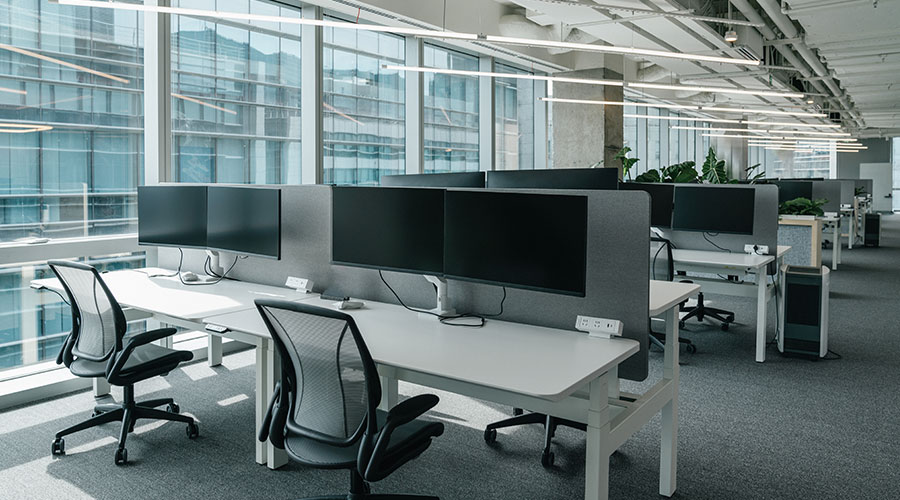
While facility managers might team up with architects and designers with the best intentions, they are not always looking at lighting in the way that the space needs to be designed, even though it has a huge impact on people. Universal design aims to address the needs of a range of people, neurodiverse people do not collaborate in the same way that neurotypical people do, and lighting can play a role in that challenge because it can cause headaches or deplete energy. Natural light in workplaces has a greater impact on neurodiverse people than a typical ceiling fixture, Levin says.
Still, no single lighting design option is going to solve the issues created by neurodiversity. Understanding and designing a space that incorporates lighting systems for neurodiverse and neurotypical people needs to let them be the most productive version of themselves while not exceeding the budget.
“Universal design principles need to be broadened,” Levin says. “I think it’s one of the things that’s very problematic about my profession. We've developed design solutions that are ‘trend’ focused, and I don’t want to see this become a trend. I want design to be broadened, and my fear is that it will be forgotten.”
Mackenna Moralez is the managing editor of the facilities market and the host of the Facilities in Focus podcast.
Related Topics: