Small Steps, Big Impacts: Where to Begin on Sustainability
For building owners, designers, architects and manufacturers, a focused mindset transforms sustainability from a daunting checklist into manageable steps.
By Gordon Boggis and Amanda Epplin, Contributing Writers
Key Takeaways:
- Building owners and project teams can make more informed sustainability decisions by collaborating early, scrutinizing environmental claims and evaluating materials for their lifecycle costs, performance and impacts on human and environmental health.
- Reusing and reconfiguring existing buildings, furniture and materials can reduce waste and project costs, making end-of-life planning and strategies for reuse, donation and recycling important parts of project planning.
- Integrating sustainability into everyday design, procurement and operational decisions helps facility leaders balance upfront budgets, occupant well-being and long-term performance while building momentum through achievable improvements.
The word sustainability is more prevalent than ever, but making sustainable decisions still can feel daunting for those seeking to create meaningful change kin institutional and commercial facilities. From selecting materials and products based on their long-term environmental impact to navigating the complexities of climate change, the responsibility can feel overwhelming.
Meaningful sustainability progress can begin with the smallest of changes. Contrary to popular belief, the starting point of creating tangible change boils down to a simple sentiment: Pick just one thing, and take action.
For building owners, designers, architects and manufacturers, this mindset transforms sustainability from a daunting checklist into manageable steps. Whether the action is specifying more sustainable materials, planning for end-of-life reuse, making long-term operational decisions or balancing upfront costs with lifecycle value, focused steps can build momentum and drive real results.
Collaboration considerations
Building owners, designers, architects and manufacturers each play a vital, distinct role in creating a project, and the successful implementation of sustainability is strengthened through close coordination and collaboration. By bringing teams together for open conversations, the interconnected nature of the challenges each group faces becomes clear, from design intent to cost considerations and long-term operations, highlighting how impactful progress becomes when these issues are addressed collectively. Creating an environment where team members feel comfortable communicating and relying on one another helps break down silos, making space for connection, shared responsibility and forward momentum.
It is important for project partners to come together and have open conversations around environmental claims such as biodegradable, eco-friendly, or non-toxic. While these labels might sound reassuring, they can be misleading without proper context.
For example, even if a product breaks down over time, its production might involve harmful substances or processes that impact surrounding communities. In many cases, the most significant environmental effects occur during manufacturing, long before the product is ever installed.
For building owners, this situation creates an added challenge of navigating unclear information while trying to make responsible, informed decisions that align with performance goals and broader sustainability commitments.
Some products might appear cost-effective and meet specification requirements, especially those that have long been considered industry standards. But it is critical to consider the full cost, including impacts on environmental, human and community health.
For building owners and operators, this decision often means looking beyond upfront pricing to evaluate long-term risks, maintenance implications and overall lifecycle impact. Taking the time to assess these factors and have transparent conversations with all project partners can help avoid unintended consequences and support more responsible, future-focused decision-making.
Spotlight on natural materials
It is a long-held belief that natural or environmentally friendly building materials might cost significantly more than their conventional counterparts or not perform as well. While that belief might have been true in the past, modern-day advancements and cost-effective alternatives have made high-performance, sustainable choices increasingly practical, even for projects with limited budgets.
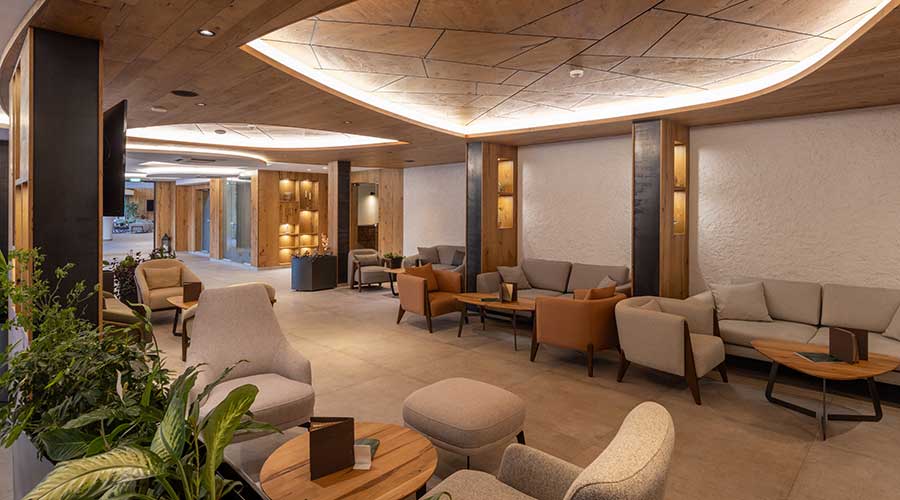
For building owners in particular, the challenge often lies in balancing upfront costs with long-term value, as well as navigating evolving material options and performance expectations. Increased research and investment into bio-based polyethylenes, olefins and natural materials such as wood, ceramic tile and stone have brought these solutions to the forefront, helping to ease the financial barriers they once presented.
The decision is not just about investing in the health of the environment. It is also about supporting the wellbeing of end users. A greater awareness of the way material choices impact human health can help drive more informed decisions.
For building owners, this decision often means weighing product performance, maintenance and liability alongside sustainability goals. Selecting nature-based alternatives, whether for building materials, wallcoverings, furniture or carpeting, can support environmental goals and the health of the people who interact with these spaces every day.
Over the next few years, owners can expect to see sustainability more embedded in everyday decision making rather than being treated as a separate initiative. That shows up in earlier end-of-life planning, expanded roles for designers and dealers around reuse and reconfiguration and clearer visibility into what actually happens to furniture and building materials over time.
Lifecycles and circularity
Being sustainable does not mean using trendy new green products. More often than not, it relies more on making better use of existing assets and resources. Reusing and reconfiguring materials already in place, whether through the adaptive reuse of an entire building or by simply keeping furniture in use through a mix of reused and new pieces, promotes circularity and reduces waste at scale.
For building owners, this approach also can introduce challenges related to assessing existing conditions, aligning reused elements with current needs and managing stakeholder expectations. The utilization of available assets also can deliver significant financial savings, with the potential to reduce project costs by millions, providing a great incentive for owners and operators.
For designers, the primary focus is often on the beginning of a product’s life, how to specify it, and what it is made of. But the end of life for these products can pose a much bigger challenge for clients.
For example, at the end of a renovation, hundreds of chairs can be left over with no clear plan for what to do with them. It is crucial for project teams to assist owners in developing practical strategies they can implement themselves, lessening the burden down the line.
By taking the time to invest in this planning, tangible results like donating furniture and finding ways to reuse assets in sectors such as healthcare and higher education become more common. The process involves assessing what a project has, determining what is worth reusing and understanding the best options for recycling, donating or reselling when reuse is not possible.
A more sustainable future
As the industry continues to make strides in championing sustainability as a foundational value, the most impactful action designers, manufacturers, owners and developers can take is embed the process more into everyday decision-making, rather than treating it as a separate initiative. When sustainability is integrated into the way projects are planned, delivered and measured, it becomes far more effective and wide-reaching.
Aesthetics, functionality and sustainability are not competing priorities. They are deeply interconnected. Strong design considers the way a space looks, performs and endures over time for occupants and the environment.
For building owners, this connection often requires balancing design vision with operational performance, maintenance demands and long-term value. Each project benefits from a thoughtful approach to all three while keeping budget considerations and lifecycle impact in focus.
While that remains a priority, it is important to understand that not everything can or will be achieved at once. Change takes time, but if there is even one initiative that project teams can execute well, focusing on that and building from there initiates a change reaction that makes tangible impacts possible. No action is too small when it comes to the creation of a happier, healthier planet and people.
Gordon Boggis is the CEO of Carnegie, a leading designer and manufacturer of authentically sustainable commercial wallcoverings, textiles and acoustic solutions. Before joining Carnegie in April 2021, Gordon led companies across various industries, focusing strongly on textiles, innovative materials, health and wellness, purpose-driven and environmentally sustainable businesses.
Amanda Epplin, NCIDQ, WELL AP, is a sustainability and furniture expert, blending her passion for creativity, learning, and environmental stewardship in her role as designer at Kimiko Designs. She educates clients on the importance of eco-friendly practices, guiding them through the process of making informed, sustainable choices.
Related Topics: