How to Achieve Building Resiliency During Wildfires
Facility professionals need to ensure their building’s core systems remain strong during extreme weather events.
By Mackenna Moralez, Associate Editor
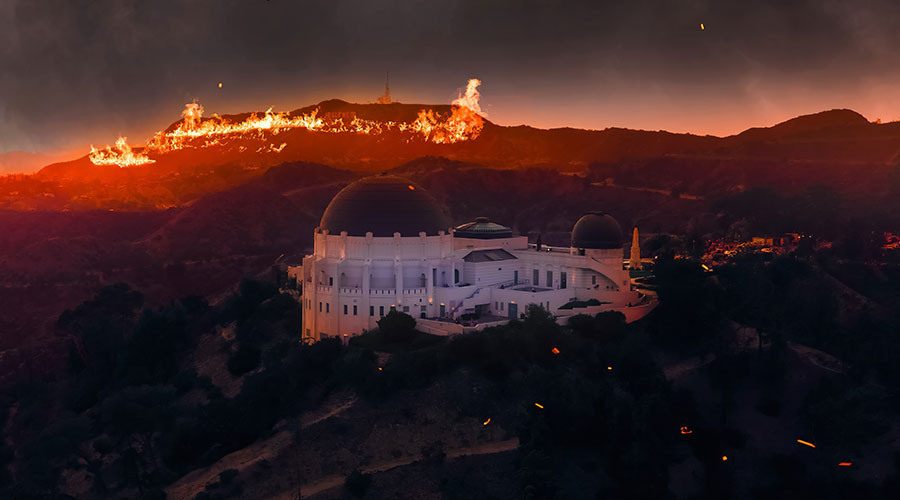
Wildfire season is now a year-long weather event, and no area of the country is exempt from it. Facilities managers need to prepare and maintain their buildings before a threat has been made. Keeping roofing, drainage and grading in good condition will help prevent damage that can weaken a structure over time.
FacilitiesNet associate Editor Mackenna Moralez recently spoke with Joe Demers, civil engineer at Alpha Structural on how facility professionals can ensure their building’s core systems remain strong during any time of extreme weather event.
FacilitiesNet: What does “resiliency” mean for commercial buildings, and how does it apply to wildfire risk?
Joe Demers: Resiliency refers to a building’s ability to recover quickly from damage. In the context of wildfire risk, it means having a structure that can remain intact enough to be repaired and returned to operation, rather than requiring total replacement. When the core structure is preserved, rebuilding becomes faster and far more cost-effective.
FN: How can facility managers balance resiliency upgrades with cost-effectiveness and operational priorities?
Demers: It’s important to think about structural resilience early in the planning process, so resiliency upgrades can be integrated into other projects. For example, if a remodel or facility improvement is already planned, that’s an ideal time to incorporate structural or seismic enhancements. In many cases, it’s more efficient to complete multiple upgrades at once rather than phasing them over time. Large structural or maintenance projects, such as plumbing, electrical, or utility work, often require significant access to the building.
Addressing resilience upgrades during those same periods can help reduce disruption, minimize logistical challenges, and ultimately lower long-term costs. Working with qualified structural engineers early in the design or repair process ensures that safety upgrades are prioritized effectively and value-engineered to strengthen the building without unnecessary expense.
FN: What are the most vulnerable areas of a commercial facility during wildfire season?
Demers: Wooden elements and areas near dense vegetation tend to be the most vulnerable. Flammable materials stored near the structure, such as lumber or debris, can act as fuel sources if a fire occurs nearby. Keeping combustible materials at a distance from the building and ensuring proper storage practices can greatly reduce this risk.
FN: How can facility managers assess whether their facility’s utility infrastructure (electric, gas, water) is at risk during wildfire events?
Demers: Wildfires can sometimes damage utilities indirectly, but maintaining these systems is important for all natural disasters. Ensure gas shutoff valves are accessible, smoke alarms are operational, and all electrical, water, and gas systems are regularly inspected. For safety, consult licensed utility contractors or engineers for specific evaluations.
FN: What HVAC or filtration system upgrades can help protect occupants from smoke infiltration during wildfires?
Demers: While it’s difficult to fully prevent smoke from entering a building, certain features can help reduce exposure. Installing ember-resistant vents and ensuring HVAC systems are properly maintained by qualified specialists can help limit particulate entry. These professionals can also advise on filtration standards and air-quality improvements.
FN: What preventive maintenance steps should facility managers take ahead of wildfire season?
Demers: Clearing loose, dry vegetation and flammable debris from around the property is one of the simplest and most effective steps. Beyond that, ensure structural elements and utilities are properly maintained. Routine inspections can help identify issues such as damaged roofing, deteriorated materials, or poor drainage that could compromise the structure and worsen outcomes during a fire or earthquake.
FN: If resources are limited, what top three resiliency measures should facility managers prioritize first?
Demers: Maintain a clear perimeter: Remove vegetation or combustible materials near the building.
Ensure safety systems are functional: Test smoke alarms, secure water heaters, and install or maintain gas shutoff valves.
Invest in seismic or structural retrofits: These upgrades not only improve resilience during earthquakes but can also strengthen a building’s ability to recover after other natural disasters.
FN: How can facility managers collaborate with local fire departments and emergency management agencies to strengthen building protection?
Demers: Local fire departments are the best resource for wildfire preparedness. Facility managers can contact them for site assessments, compliance checks, or general safety consultations. Collaboration ensures that emergency access, hydrants, and fire lanes meet local standards.
Mackenna Moralez is the associate editor of the facilities market and the host of the Facilities in Focus podcast.
Related Topics: