Facilities managers can overcome reactive building operations by moving toward centralized, integrated platforms that enable real-time monitoring and coordination.
The key to unlocking significant energy savings and performance gains is for facilities managers to prioritize operational excellence before turning to costly capital upgrades.
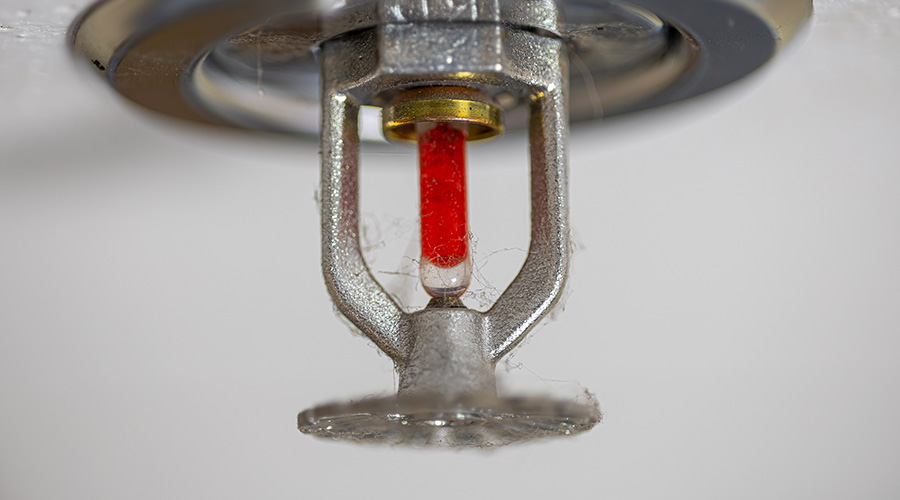
When a fire breaks out in any institutional or commercial building, a properly maintained sprinkler system can be the difference between a contained emergency and a devastating loss. At NFMT East in Charlotte, Jon Denhardt, vice president of engineering and technical service at the American Fire Sprinkler Association, examined the responsibilities outlined in the NFPA 25 standard for water-based fire protection systems in his session titled, “Inspection, Testing and Maintenance of Sprinkler Systems.”
Denhardt brings decades of hands-on experience as a sprinkler contractor, along with expertise as a registered professional engineer and participant on numerous NFPA technical committees.
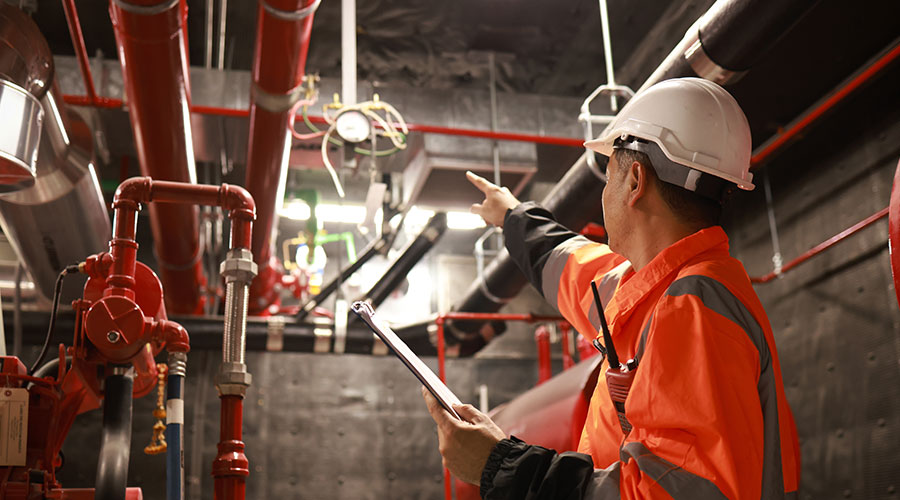
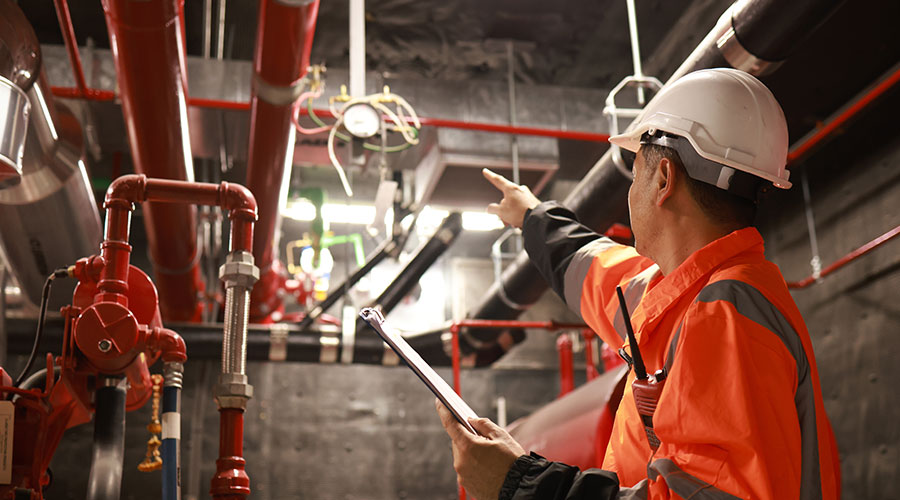
In his session, Denhardt clarified the important differences between inspection, testing and maintenance, and explained what facility managers should expect from service providers — and what remains the owner’s responsibility. He also addressed fire pumps, dry and preaction systems and the need to coordinate specialized maintenance beyond a typical sprinkler contractor’s scope.
A sprinkler system only helps if it performs when a fire starts. Missed inspections, unaddressed damage, outdated components or changes to a building’s use can create risks that remain invisible until an emergency arises. Clear actions and oversight are needed before those failures have lasting consequences on a facility.