What Facility Managers Can Learn from Airport Capital Planning
Doug McMahan explains how facility condition assessments, long-term asset planning and stakeholder coordination can help facility managers modernize aging infrastructure. July 15, 2026
By Jeff Wardon, Jr., Assistant Editor
Key Takeaways:
- Effective capital planning begins well before assets fail, using facility condition assessments and reliable asset data to establish baselines that guide maintenance, replacement and long-term investment decisions.
- Combining periodic facility assessments with enterprise asset management data enables organizations to validate maintenance strategies, prioritize capital projects and make informed decisions throughout an asset’s lifecycle.
- Successfully modernizing occupied facilities requires early stakeholder collaboration, phased construction planning and operational readiness strategies that minimize disruptions while maintaining day-to-day operations and user experience.
Capital planning is most effective when it begins long before equipment reaches the end of its lifespan. For facility managers, that means combining facility condition assessments with reliable asset data to establish a baseline for maintenance, capital investments, and replacement decisions. It also requires careful planning to modernize aging infrastructure without disrupting daily operations.
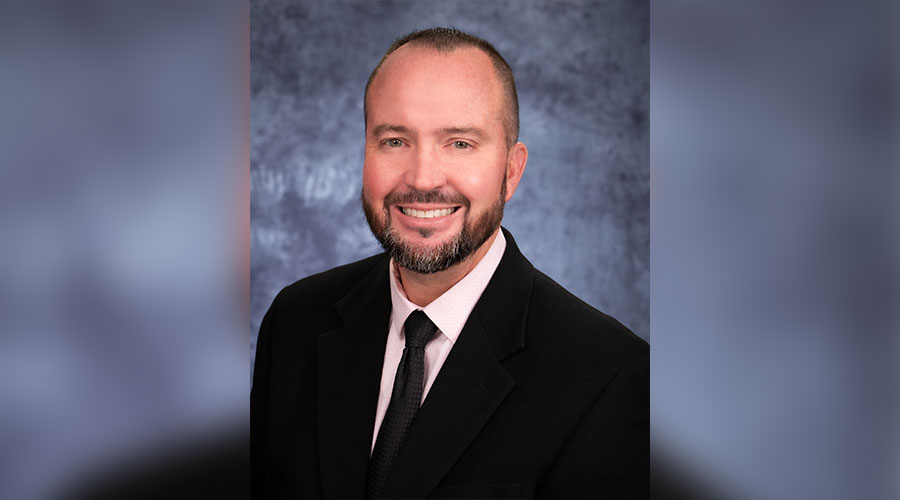
To better understand this, Doug McMahan, the senior director of aviation at the Clark County Department of Aviation, will present the session “Beyond the Terminal: Airport Lessons in Modernization and Asset Strategy” at NFMT West in Las Vegas from November 3 to 4.
FacilitiesNet: What can facility managers in other sectors learn from the way airports approach long-term asset planning and modernization?
Doug McMahan: There’s a lot of parallels in both of those worlds, so it really doesn't matter whether it's the public or private sector. We're all talking about asset management, and we all have similar assets.
I'd say the biggest lesson is that capital planning shouldn't begin when an asset fails. It really needs to start much earlier in its lifecycle. Years before failure, the data you collect helps you make more informed, more timely decisions. It becomes about knowing when to spend that extra dollar to keep an asset or system running versus recognizing when you're starting to throw good money away and it's time to begin planning for replacement, refurbishment or whatever the next step is.
That's the lesson, but how we've approached it — and how I think the industry is continuing to evolve — is through facility condition assessments. We collect a lot of asset data and we have a lot of institutional knowledge, but the key is getting an independent, qualified third party to evaluate where those assets really are in their lifecycle.
That assessment helps validate, on a snapshot basis, how well you've been maintaining those assets and systems through preventive maintenance. It can confirm what you already think you know, but first you need that baseline. Then you combine that baseline with clean, reliable maintenance data that you can report on over time.
Creating that baseline and monitoring it consistently is really the foundation. That also includes onboarding new assets as they're added over the years. You're not replacing every asset or every system all at once, so you must maintain those records to understand how far you've deviated from that baseline and from the asset's expected or original design performance.
FN: How can facility managers use assessment data to establish a reliable baseline for capital planning, maintenance prioritization and infrastructure investment decisions?
McMahan: We talked about establishing a baseline for your assets and systems so you really understand where they are today. But that's just a snapshot in time. It's really a benchmark that you're going to use to guide future investment decisions.
As we mentioned, a facility condition assessment, combined with the data you've collected through your enterprise asset management (EAM) system, is critical. That gives you a reliable starting point.
Then, at regular intervals, you can go back and reassess. Those refresh assessments typically happen every five or 10 years to validate your maintenance program and determine whether the asset is performing the way you expected throughout its anticipated lifespan.
From there, you can decide whether adjustments need to be made, whether that's on the operations and maintenance side or through capital expenditures.
FN: What strategies have proven most effective for upgrading infrastructure and building systems while minimizing disruptions to users and stakeholders?
McMahan: For us, we're a small city. We're a very active city compressed into a pretty tight footprint here at Harry Reid International Airport. We're about 2,800 acres, or roughly one-fifth the size of many mega international airports that handle similar passenger volumes. So that's an important question for us: How do we keep operations running while we're building?
We've had projects within our existing footprint that had to coordinate closely with operations, but our biggest programs historically — like the D Gates in the late 1990s and Terminal 3 in the early 2000s, which opened in 2012 — were delivered differently. They weren't exactly greenfield projects, but they were built outside the main operational areas, so we didn't have the same day-to-day disruptions we're facing now.
At the conference, I’ll be talking about how we had to rebuild literally on top of ourselves. This will be the largest program we've ever undertaken in the busiest part of the airport. We're going to modernize, essentially demolish and rebuild in a highly phased approach, our Terminal 1 and ticketing facilities.
As you can imagine, that's extremely challenging. We have to find creative ways to keep not only the airlines operating as efficiently as possible with minimal disruptions, but also every tenant and stakeholder across the airport.
To be successful, you need a comprehensive understanding of your stakeholders' needs and a tremendous amount of collaboration and coordination. You have to understand the operational nuances because if you don't anticipate those details early, you'll eventually reach a point in the phasing where your assumptions no longer work. That creates challenges for your tenants, and ultimately it affects the guest experience, whether it's food service, retail or any other airport operation.
That's why it's so critical to build that operational understanding into your phasing plans from the very beginning. The only way to do that is through extensive coordination with your stakeholders, and that starts during design. You can't wait until construction is underway because, by then, the plan is already set. We bring our stakeholders in early, hold working groups and coordination sessions, and make sure we're capturing all those operational needs before construction begins.
FN: What do you think will be the most important takeaway from your session?
McMahan: What I hope is that what we're going to talk about resonates with all kinds of property owners who operate commercial facilities, regardless of size. Whether it's a single facility, a campus or a larger complex, we all face many of the same challenges. It's about anticipating traffic needs, making sure access is maintained and minimizing impacts — not only within the facility, but also on the surrounding community.
Another big piece is working closely with stakeholders to ensure that phasing plans, utility shutdowns and system reactivations are all carefully coordinated. I hope attendees come away with a snapshot of what we're trying to accomplish and can relate it to their own organizations.
We'll also be talking about some emerging practices we're incorporating into our Terminal 1 modernization program. One in particular that's especially relevant for operations professionals is ORAT — Operational Readiness, Activation and Transition. It's a structured approach that's integrated into programming and design to make sure we're anticipating operational needs as we move from one phase of a project to the next.
I think operations professionals will recognize that process because they've lived through those transitions before. They understand what those cutovers look like. My hope is that we can share insights from our own experiences. I'll be joined by several key members of our airport team who have managed major capital programs both here and at other airports around the country.
Together, we'll talk about the challenges we've faced, how we've overcome them and what we're doing differently today to apply those lessons in a more forward-thinking way. I think those lessons will resonate with the audience because, regardless of the type of facility they manage, many of the underlying challenges are the same.
To learn more about long-term capital planning, be sure to check out McMahan’s session at NFMT West 2026 this November. Register for West here.
Jeff Wardon, Jr., is the assistant editor for the facilities market. With more than three years of experience, he covers topics including technology, wellness, sustainability and emerging industry trends.
Next
Read next on FacilitiesNet