Reframing the Role of Facilities Managers as Strategic Partners
Facility managers can use risk, data and alignment with enterprise goals to reposition their teams as strategic drivers of organizational success. February 19, 2026
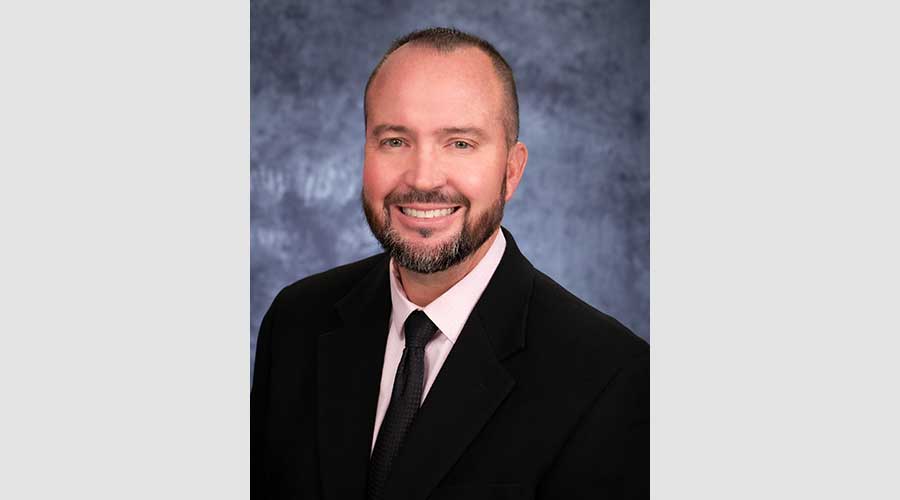
By Jeff Wardon, Jr., Assistant Editor
Facilities management is frequently viewed through a narrow financial lens: a necessary but expensive line item in the annual budget. Yet the function touches nearly every aspect of an organization’s performance, from risk mitigation and operational continuity to employee productivity and long-term asset value.
To better communicate these ideas, Maureen Roskoski, vice president and corporate sustainability officer at FEA, will host the session “From Facility Manager to Strategic Partner: Demonstrating FM’s Value to the C-Suite" at NFMT East 2026 in Charlotte from March 10 to 12.
FacilitiesNet: Facility management is often viewed as a cost center rather than a strategic function. Why do you think that perception persists, and what is the first mindset shift facilities management leaders need to make to change that narrative with leadership?
Maureen Roskoski: Facilities, operations and maintenance do cost a fair amount, but not necessarily if you look at the total cost of ownership for an organization or even for a building. However, on an annual basis, it is a large piece of the overall budget that an organization would see. So, it is seen as a cost center, and it is hard to break away from that.
One of the things we have seen that works the best is if facility management leaders are able to shift the conversation to risk management. That then allows them to frame their story that way and helps them explain what resources are needed and why they are needed.
FN: Facilities teams generate a massive amount of operational data. How can facility managers translate that data into business outcomes — like risk reduction, productivity, or cost avoidance — that resonate with the C-suite?
Roskoski: Some of it comes down to having the right data and trying to lessen that massive amount of operational data so you can figure out what you can measure that will help tell that story. Once we get the good data, how are we then telling the story with that? I think we forget sometimes that not everyone understands buildings, equipment, and so they do not always understand the functions of the facility.
We need to tell a story in the right way to the audience and understand that the message may vary slightly depending upon the audience. This is whether you get less technical, but still allowing them to understand the need. I think the why is often missed because again, they might not have the technical knowledge to understand why a piece of equipment has to be maintained or replaced.
FN: When trying to align facilities initiatives with broader organizational goals, where do you see leaders most often miss the mark, and what frameworks or approaches can help ensure facilities priorities support enterprise objectives?
Roskoski: I think it is just clearly making that connection between your facility management initiatives and those organizational objectives. This is because it is usually easy to tie almost any facility management initiative to an organizational goal because facility managers play such a crucial role. It is just making that reality very clear to be able to line it up. Many times, when we work with clients, we develop a scoreboard for them to measure how their initiatives line up with organizational objectives. This makes it super clear that they are aligned, and it is a constant reminder of how you are linked to that organizational goal.
To learn more about telling a story effectively, be sure to check out Roskoski’s session at NFMT East 2026 this March. Register for East here.
Jeff Wardon, Jr., is the assistant editor of the facilities market.
Next
Read next on FacilitiesNet