Hybrid Work Trends Reshape Facility Management Priorities
As organizations continue to navigate evolving workplace expectations, facility managers may need to rethink how offices are designed, utilized and supported. June 30, 2026
By Jeff Wardon, Jr., Assistant Editor
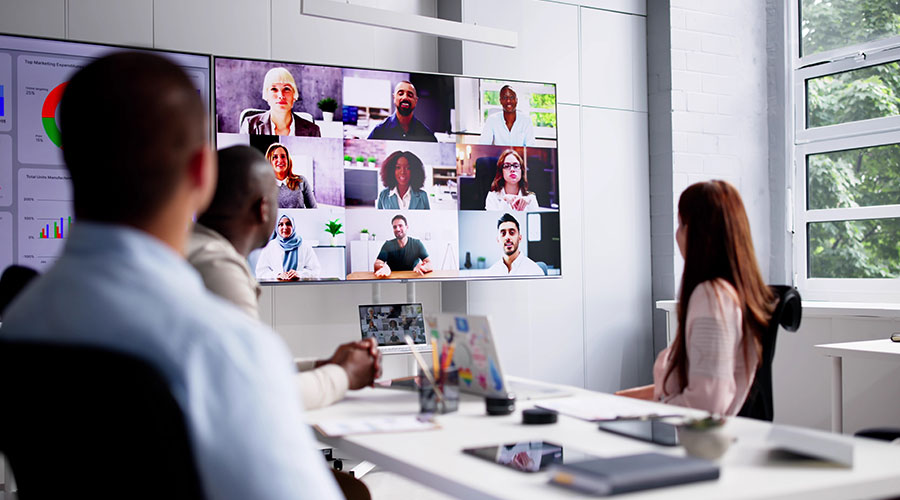
As organizations continue to navigate evolving workplace expectations, facility managers may need to rethink how offices are designed, utilized and supported to meet employee demands for flexibility, collaboration and connection.
A recent report from ezCater found that nearly 60 percent of workers prefer a hybrid work arrangement, with hybrid-optional schedules emerging as the most popular model. At the same time, employee preferences are moving away from fully on-site work and increasingly toward remote options.
The findings have implications for facility management professionals responsible for creating workplaces that attract employees back to the office. According to the survey of more than 1,000 U.S. workers, 80 percent of hybrid and remote employees said there are perks that would encourage them to spend more time on-site. Flexible work hours, food-related benefits and generous vacation policies ranked among the most effective incentives.
While 92 percent of workers believe the office still serves a purpose, more than half view its future primarily as a destination for collaboration and face-to-face interaction rather than individual desk work. However, many workplaces have not adapted to support these evolving needs. Forty-one percent of employees said they would prefer more private spaces for individuals or small groups, while only 18 percent reported that private offices make up most of their current workplace layout.
For facility managers, this suggests a need to reevaluate space utilization strategies. Repurposing underused open areas into enclosed meeting rooms and collaboration spaces could better align facilities with employee expectations and increase office engagement.
The report also found that workplace amenities can influence productivity and retention. Sixty-seven percent of workers said employer-provided meals would make them more productive, while 69 percent said food-centered events help them feel more connected to coworkers. Additionally, 60 percent reported feeling more comfortable asking favors from colleagues they have shared a meal with in person.
As artificial intelligence becomes more integrated into daily work, employees are increasingly seeking human connection in the workplace. The survey found that 60 percent of workers believe consistent human interactions help ease concerns about AI, while 79 percent said having friends at work contributes to better organizational outcomes.
Overall, the findings reinforce a broader shift in workplace strategy as offices are becoming less about providing desks and more about creating environments that foster collaboration and wellbeing.
Jeff Wardon, Jr., is the assistant editor for the facilities market. With more than three years of experience, he covers topics including technology, wellness, sustainability and emerging industry trends.
Next
Read next on FacilitiesNet