How Construction Experience Shaped Jesse Zimmerman as a Facilities Leader
Jesse Zimmerman discusses how a hands-on construction background shaped his approach to facilities management and the skills needed to oversee multi-site operations successfully.
By Jeff Wardon, Jr., Assistant Editor
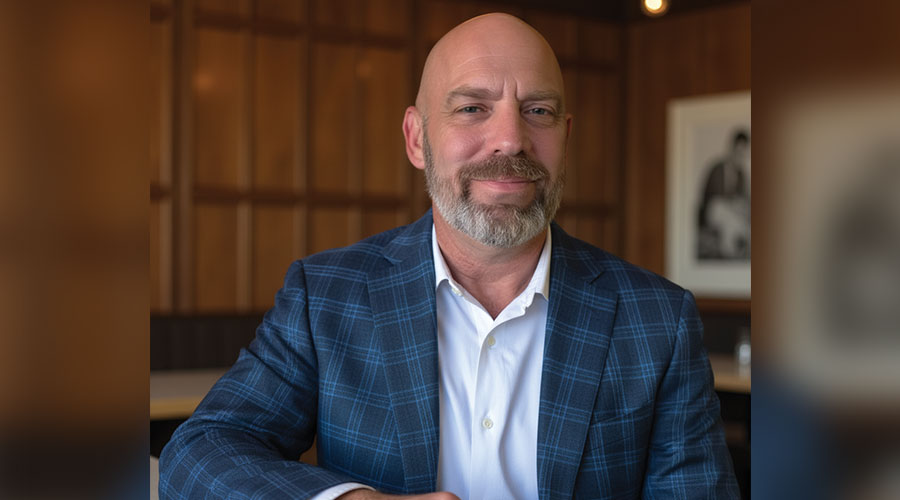
A strong facilities leader understands not only how buildings operate, but also how they were built. For Jesse Zimmerman, director of facilities at Learning Care, a career spanning construction, landscaping, property maintenance, real estate, capital projects and facilities operations has provided a unique perspective on managing complex building portfolios. Zimmerman shares his career journey and the challenges of supporting multi-site operations.
What made you pursue a career in facilities management?
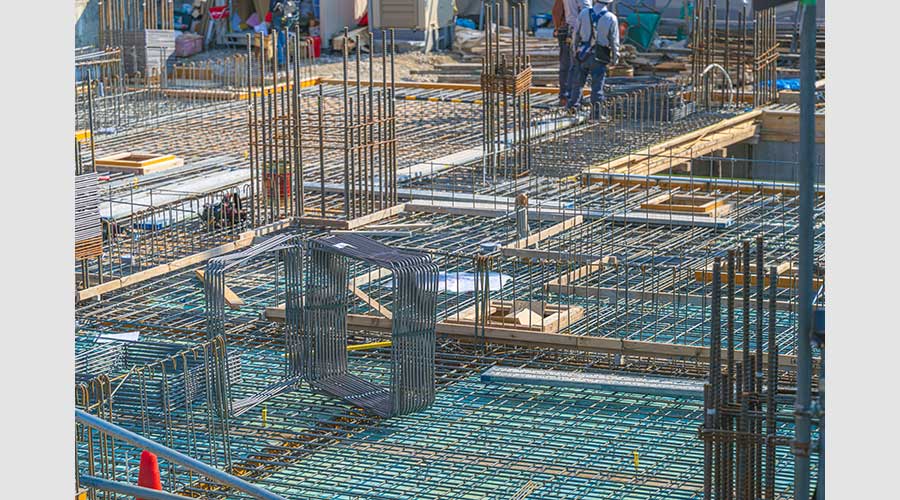
Throughout my career I have always been connected to buildings in one form or another, so facilities management was a natural path for me. Early on, I started in the field and on the jobsite, gaining valuable hands-on experience in the construction and landscaping fields, and later gained experience in general property maintenance, commercial and residential real estate and ROI/capital projects.
Over time, I became more interested in how buildings perform after the work is completed. All the experience I gained taught me how things are built, but moving into the post-construction arena taught me what holds up over time and what does not and how building conditions and general maintenance response truly affect daily operations.
What was your first job in the field, and how did it shape your career?
My first experience in the field came through hands-on construction, property maintenance and landscaping work, working with a small local contractor and local landscaping company. That shaped my career because I was able to learn the basics of how buildings are built and function from the ground up. Being able to understand the basic means and methods of how things are built helps me ask better questions and better evaluate what may be causing the issue.
How long have you held your current job, and what are your job responsibilities?
I have been in my current role as director of facilities since early 2026. Prior to that, I was the director of construction for capital projects.
My responsibilities include supporting the daily facility operations across a large multi-site/multi-state portfolio, reviewing escalated issues and work order trends, managing vendor performance, helping prioritize maintenance needs, supporting compliance-related facility concerns and identifying areas of opportunity within the facility’s daily operations.
Are there any pivotal moments or decisions that significantly impacted your career?
One decision I made early in my career was choosing to keep expanding my experience instead of staying in one lane. I worked my way through hands-on construction, property maintenance, landscaping, commercial and residential real estate, capital projects, facilities operations and management.
By wearing so many different “hats” throughout my career, it has afforded me the ability to help me see facility issues from more than one perspective: how was the building built, how it is maintained, how it presents to customers and what it may need long term.
What skills or certifications have been most valuable to your success?
The most valuable skills for me have been in-depth construction knowledge, blueprint reading, communication and vendor management.
My hands-on construction background has been one of the biggest advantages in my career. Being able to read blueprints has also been very valuable. Being able to review plans and understand what I am actually looking at, or supposed to be looking at, helps me evaluate issues more clearly and communicate better with vendors and contractors.
Communication is also a critical skill to learn. In facilities management, you are often communicating with internal operations, vendors, construction, municipalities and leadership. Being able to clearly explain the issue and the next step is a large part of being effective in a facility management position.
What accomplishments in your career are you proud of?
I am proud of the work I have done supporting multi-site/multi-state operations where the needs must be balanced with budgets, vendor capacity and daily business operations. Working with vendors on a daily basis to improve expectations, follow-up and execution is rewarding when a messy situation is resolved.
Another accomplishment I am proud of is being able to build the right team around me. When things get difficult and you are being pulled in different directions, you need people who you can trust to step in and help sort those details out and keep the issue moving forward to resolution. By managing your team correctly and making sure that they know you are there for them and not just them being there for you, a lot can be accomplished in a day.
What advice would you give to someone aspiring to become a facility manager?
The best advice I have for someone that is working their way up to become a facility manager is to get out there and get close to the field. Walk the buildings. Spend the day with a technician or contractor and ask questions to understand the process. Buildings tell a story when you walk them, and you need to learn to listen to what the building is telling you. Field reports and work order systems are great, but they do not replace firsthand observation.
I would also encourage anyone entering facilities to learn construction basics and blueprint reading. You do not need to be an expert by any means but understanding how buildings are built will help you see problems more clearly.
I would also tell someone coming into this field to build strong relationships with your team and vendors before things get too complicated. Issues can escalate quickly, and having the right people around you can make a major difference when the pressure is high.
What do you enjoy most about working in facilities?
What I enjoy most about working in facilities is that no two days are exactly the same. To be in facilities management, you need to learn how to be fluid, how to think on your feet and solve problems. There are some days when things are moving a million miles an hour, and those are the days you feel the most accomplished.
Editor’s note: Are you interested in sharing your career path with the readers of Facility Maintenance Decisions? Contact assistant editor Jeff Wardon, Jr., at jeff.wardon@tradepress.com
Related Topics: