BOMA Management Director Testifies Before Congress About Managing the Risk of Terrorism
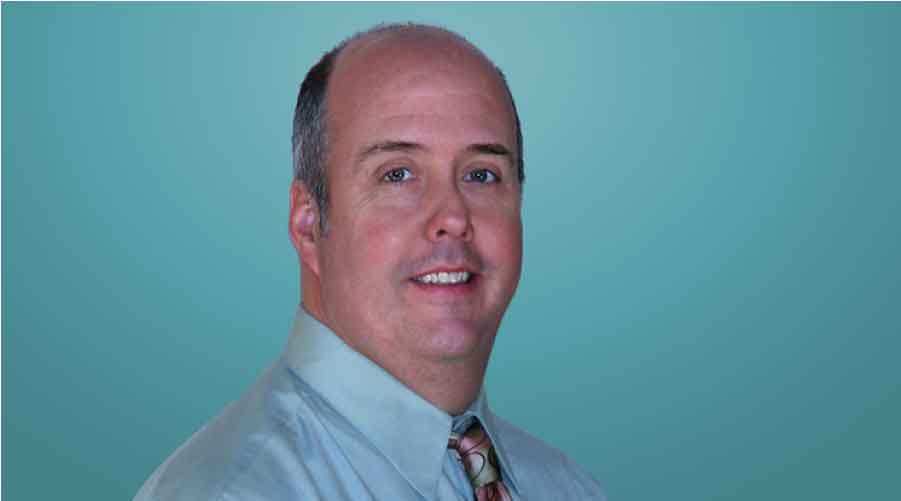
Michael L. Norton, management director, global property management for Tishman Speyer of New York and a member of the Building Owners and Managers Association (BOMA) International, appeared before the U.S. House of Representatives’ Homeland Security Committee, Subcommittee on Economic Security, Infrastructure Protection and Cybersecurity, on “The London Bombings: Protecting Civilian Targets from Terrorist Attacks.”
Michael L. Norton, management director, global property management for Tishman Speyer of New York and a member of the Building Owners and Managers Association (BOMA) International, appeared before the U.S. House of Representatives’ Homeland Security Committee, Subcommittee on Economic Security, Infrastructure Protection and Cybersecurity, on “The London Bombings: Protecting Civilian Targets from Terrorist Attacks.” Norton testified on behalf of BOMA International, the Real Estate Roundtable and the Real Estate Board of New York.
Since representatives of the Department of Homeland Security could not testify as scheduled due to their focus on Hurricane Katrina relief efforts, subcommittee chairman Dan Lungren (R-Calif.) announced that the focus of this hearing would be limited to the protection of “soft” targets, which he described as schools, office buildings, shopping centers, apartments, hotels and similar structures. Joining Norton in testifying at the hearing were Bill Millar, executive vice president of the American Public Transportation Association; Pete Lowy, CEO of Westfield America Group; and Joe Madsen, risk manager of the Spokane, Wash., school system.
Addressing the subcommittee on September 7, 2005, Norton testified for the need for building specific risk assessment as well as the need for reauthorization of the Terrorism Risk Insurance Act or a more permanent program to guarantee the availability of risk coverage for real estate assets.
“If we're engaged in a war on terror, insurers shouldn't be asked to bear the full cost of war damages,” Norton said. “Each year, taxpayers already spend hundreds of billions of dollars on defense, intelligence, and homeland security. So the government is already in the business of insuring against terrorism attacks. In the end, TRIA is a slightly different kind of investment in homeland security.”
He also told the Subcommittee of the success of the Real Estate Information and Sharing Analysis Center (REISAC) in establishing critical communications for both real estate professionals and their tenants and of the successes BOMA members have experienced in working with the Real Estate Board of New York in addressing in emergency preparedness planning.
Rep. Lungren questioned the panel about any concerns they had with sharing construction documents with government officials to facilitate effective emergency planning while keeping these documents out of the hands of potential terrorists. Norton said that the protection of building plans and specs was a concern but one that is being adequately addressed working with local government officials.
BOMA International is a founding member of REISAC. Produced in cooperation with the Department of Homeland Security, REISAC provides timely information specifically relevant to the real estate industry in the event of actual or possible terrorist activity. BOMA members can check the BOMA Web site at www.boma.org for the latest alerts as well as an archive of previous alerts.
Related Topics: