A Playbook for Successful Job Transitions
A seasoned facilities leader’s guide to succeeding in a new position.
By Ronnie Wendt, Contributing Writer
When stepping into a new facilities management role, managers are inheriting buildings they didn’t design, systems they didn’t choose, teams they’ve never met, vendors with longstanding relationships and a workload already in motion.
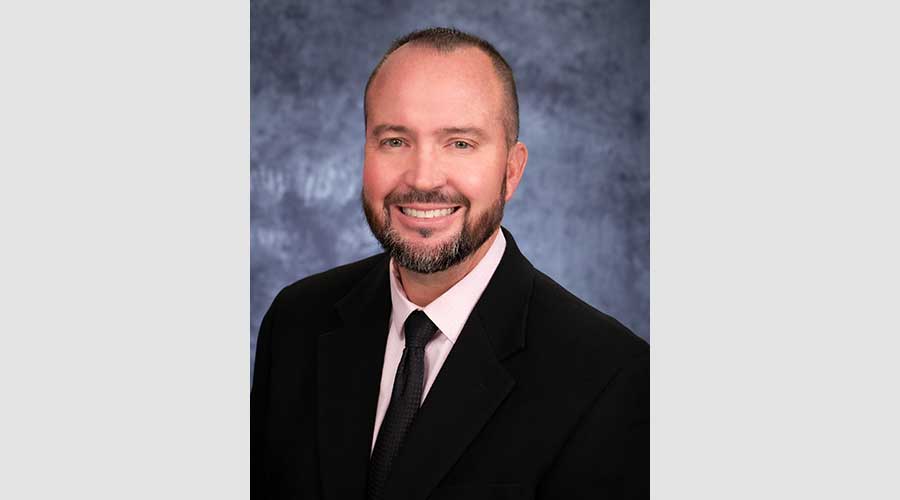
Brandon McCullough, the facilities manager for Charter Township of Northville, Michigan, and a Livonia, Michigan, city council member, believes that the foundation set early on paves the path for success in your new role.
After 17 years in facilities management in several roles, he has learned how to walk into a new job, assess what’s working, uncover what’s not, build trust quickly and set up the foundation for long-term success.
Get ready to listen
When McCullough enters a new role, he resists the urge to jump straight into changes or assumptions. Instead, he begins by listening.
“I spend the first six months just observing and touring every building, talking to people, reviewing what has been done, what hasn’t been done and so on,” he says.
He begins meeting one-on-one with the people who know the building best — the technicians, custodians, maintenance staff, safety leads and long-tenured employees. These individuals hold institutional knowledge that isn’t written down. They know why a certain air handler vibrates every winter, which vendors are reliable, where hidden shutoff valves are, or why a particular project stalled three times.
“You don’t earn trust by showing everyone how much you know,” he says. “You earn it by showing you want to understand what they know. You cannot go in and say, ‘That chiller has problems, and I need $700,000 to fix them.’ You need to take time to talk to stakeholders, earn their trust and find out what’s causing problems in the facilities.”
He also recommends meeting with department heads, vendors and key stakeholders. Each one will reveal different priorities. For instance, operations might prioritize uptime, while other departments might focus on safety, finance and costs, leadership or long-term planning. A manager’s job is to blend those priorities into a cohesive facilities strategy.
Assess the physical environment
A structured assessment of the facility itself is also in order. McCullough recommends:
- A technical walkthrough. McCullough conducts a thorough walkthrough of each building (often during the interview phase) and carefully documents deferred maintenance, aging or failing systems, and safety concerns. He also looks for opportunities to improve energy efficiency, notes compliance issues and flags assets with incomplete or missing maintenance histories. This effort creates a comprehensive picture of the facility’s current condition.
- A paper (or digital) audit. McCullough also recommends reviewing documentation to see what’s been tracked, ignored or misunderstood. “Get the numbers. What is the budget? What are the capital expenditures for the year?” he asks. To understand current operations, this audit reviews preventive maintenance schedules, work order data, service contracts and warranty details. It also should examine life-cycle plans and capital forecasts to anticipate future needs and align maintenance strategies with long-term facility goals.
“You’re essentially building a baseline,” he explains. “You need to know exactly what you’re walking into before you make any promises.”
Prioritize quick wins
McCullough believes every new facilities leader needs a structured transition plan that outlines what they will accomplish in the first 30, 60 and 90 days.
A successful transition plan addresses safety, compliance and operational needs, establishes communication, evaluates vendors and staffing and sets long-term goals for the organization. But writing the plan is only half the job. Sharing it with leadership and your team is the other half.
“People need to see that you have a plan,” McCullough explains. “When they know what you’re doing and why, they’re more supportive and more patient.”
Early wins also matter. But McCullough says the trick is choosing wins that actually move the organization forward rather than simply checking easy boxes.
McCullough recommends identifying changes that reduce recurring headaches for staff, enhance safety and regulatory compliance, boost efficiency or cut costs, and demonstrate responsiveness to the organization’s needs.
This might mean fixing a frequently broken door, updating restroom fixtures, resetting preventive maintenance schedules or tightening vendor communication standards. These early efforts show you’re committed to improving the day-to-day experience of staff and building occupants.
He also suggests implementing a work order system quickly if there isn’t one. He states an automated system allows building occupants to submit maintenance requests, which the facilities team should address within a day, or faster if the issue is an emergency.
Additionally, McCullough advises meeting with contractors to ensure a standard of service. “We have an electrician, plumber and HVAC contractor just in case we cannot handle something that comes up,” he says.
Still, McCullough warns against focusing solely on the low-hanging fruit.
“Short-term fixes feel good,” he says. “But if you don’t also build a long-term roadmap, you’ll stay in reactive mode forever.”
Data from the work order system and other documentation can be used to develop a long-term facilities maintenance strategy that looks five to 10 years out. This roadmap should include asset life-cycle planning, capital improvement forecasting, energy strategy, risk mitigation and a plan to modernize systems and processes.
He says that success follows when trust and respect are earned first, making it simpler to secure funding for projects identified in this long-term plan.
McCullough also offers another important piece of advice: Don’t be afraid to question old habits.
“Don’t trust the past,” McCullough stresses.
He explains every facility has long-standing traditions. Staff might say things like, “We’ve always done it this way,” “This vendor has been here for 20 years,” or “No one knows why we do it, but we do.” McCullough encourages new leaders to respectfully question these routines.
This doesn’t mean dismissing past efforts. Instead, it means evaluating whether legacy habits still serve the organization’s goals, technology or standards. With the right tone and curiosity, he says questioning can lead to better processes, stronger data and leaner operations.
Success in any new role comes from listening, evaluating, building relationships, solving problems strategically and setting clear expectations with your team and leadership.
When facility managers approach their first weeks intentionally, their transition to a new role becomes the foundation for long-term, organization-wide impact.
Ronnie Wendt is a freelance writer based in Minocqua, Wisconsin.
Related Topics: