What a Tornado Taught Holden Forests and Gardens About Emergency Preparedness
Nico Viola reflects on what worked, what did not and what every organization should rethink after operating for days without power, internet or cell service. February 6, 2026
By Jeff Wardon, Jr., Assistant Editor
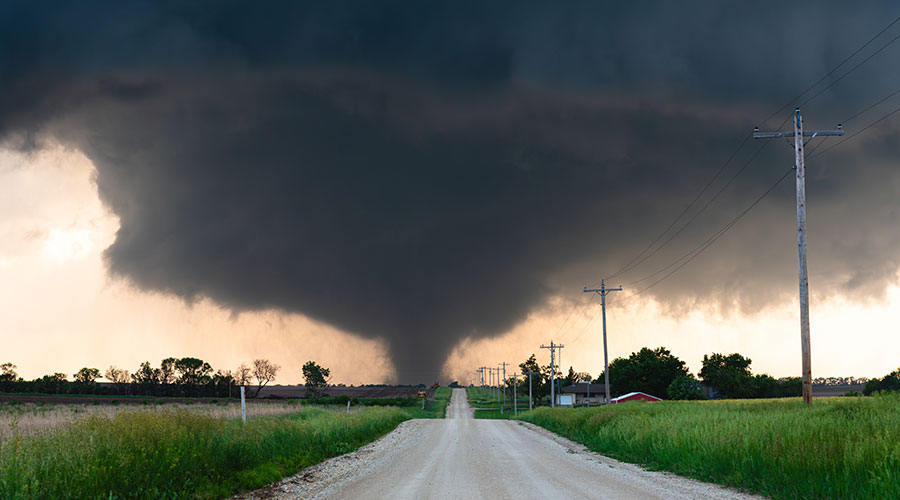
When a tornado tore through Ohio in August 2024, emergency preparedness plans were no longer theoretical for Holden Forests and Gardens. Roads were impassable, utilities were down and communication systems failed — forcing facilities teams to rely on training, trust and low-tech problem solving.
Reflecting on this, Nico Viola, director of facilities at Holden Forests and Gardens, will host the session “Surviving the Unthinkable: Preparing Your Facility for Disaster” at NFMT East in Charlotte from March 10 to 12.
FacilitiesNet: When the tornado hit in August 2024, what parts of your emergency preparedness plan held up best under real-world pressure?
Nico Viola: I think the thing that held up best, first and foremost, was our response plan. We had people who were trained to respond and people who were available to respond. Granted, not everyone could get in because the damage was so widespread — so many roads were blocked.
For example, I live about 15 minutes from campus, and when I tried to get back, it took me over an hour. It was just a mess. But that actually showed that the initial response worked very well.
The next day, we regrouped with a small team and got onto campus, and we really had to kick it old school because we had no internet, no power — nothing. We literally put people into groups of two with notepads, divided the campus into sections on a map and sent them out to start assessing damage. Everyone had to report back every two hours.
That structure was incredibly beneficial. We had a response team in place — people we trusted; people we knew could assess damage safely. We also put clear parameters around where people could go, so we did not have folks wandering the campus without reporting back. With computers down, internet out and very limited cell service because of tower outages, we had to plan carefully, think through every detail and document everything we were doing to make sure everyone stayed safe during the response.
FN: What gaps or blind spots did the disaster reveal that weren’t obvious during tabletop exercises or planning sessions?
Viola: We ended up realizing that we had gaps in our coverage, which is an unfortunate thing to learn in a situation like this. You can only be so prepared, but we have definitely learned from it. Since then, we have sat down with our insurance company and revised a lot of our coverage.
You always hear about these different perils of loss but seeing it firsthand was eye-opening. For example, I was walking through one building with an adjuster, and he said he would cover the water damage that came in through the roof because shingles were ripped off. But he would not cover the water that came in through the door because that was considered groundwater.
I told him, “But the door was blown in.” They were storefront-style sliding doors, and I had to show him pictures. The groundwater came in because the wind was so powerful it blew the doors open and off their tracks. Still, coverage was denied in certain areas. That really forced us to go back and re-evaluate our insurance policy — that was a big lesson.
Another gap we uncovered was in our response plan. We had never truly considered the possibility of going for a full week without power, internet and phone service. How could you? But that is exactly what happened. Since then, we have purchased additional two-way radios so we have a true backup communication plan. For the past 20 years, everyone has relied on cell phones, but now we have contingencies in place so we can still communicate across campus in a situation like this.
FN: Which response or recovery strategies made the biggest difference in protecting people and restoring operations quickly?
Viola: I think one of the biggest benefits was having safety wardens deputized in advance of a disaster like this. We had done drills before, obviously never to this extent, but we had safety wardens assigned to specific buildings and areas of campus.
When we brought in that initial response team the day after the storm, these people were already trained and knew what to look for in different buildings and environments. They were able to move quickly and assess conditions efficiently.
We also relied heavily on the expertise within our team. We have arborists on staff, which is critical for the type of campus we operate. We made it very clear: if you are in an area with tangled trees or anything that looks unsafe, stop, retreat and call the arborist. Let them assess it with you so it’s done safely.
We really leaned into people’s strengths. Facilities staff focused on building systems. Landscape teams focused on trees and grounds. Our police and security teams handled road closures, trail closures, securing gates and fences and keeping the public out. We divided and conquered, relied on everyone’s expertise and worked through it that way.
FN: Based on what you learned firsthand, what’s one preparedness upgrade every facility should prioritize before the next disaster hits?
Viola: I think it’s extremely important to have a disaster response plan in writing — and just as important to actually use it. It’s great to have a plan, but it does no good if it’s sitting dusty on a shelf and no one’s familiar with it.
You need to pull that plan out, walk through it and practice it. I would say at least three times a year, because staff turnover happens and people forget. Doing at least one major drill annually is critical, but it’s also helpful to run a couple of smaller drills throughout the year to keep everyone sharp.
It’s also important to make sure that if someone assigned to a specific role leaves the organization, their replacement is trained and brought up to speed on the disaster plan. You do not want anyone blindsided when an emergency actually happens.
To learn more about practical emergency planning, be sure to check out Viola’s session at NFMT East 2026 this March. Register for East here.
Jeff Wardon, Jr., is the assistant editor of the facilities market.
Next
Read next on FacilitiesNet