Designing Data Centers for Long-Term Coexistence
As hyperscale development accelerates, data center designers are looking beyond power and cooling efficiency to address community impact, operational flexibility and future adaptability.
The continuous acoustic signature of data center operation is a critical issue for local communities. Because this signature is typically a low drone or hum, many people perceive it more as vibration or pressure than as an audible sound, which can make it harder to attenuate.
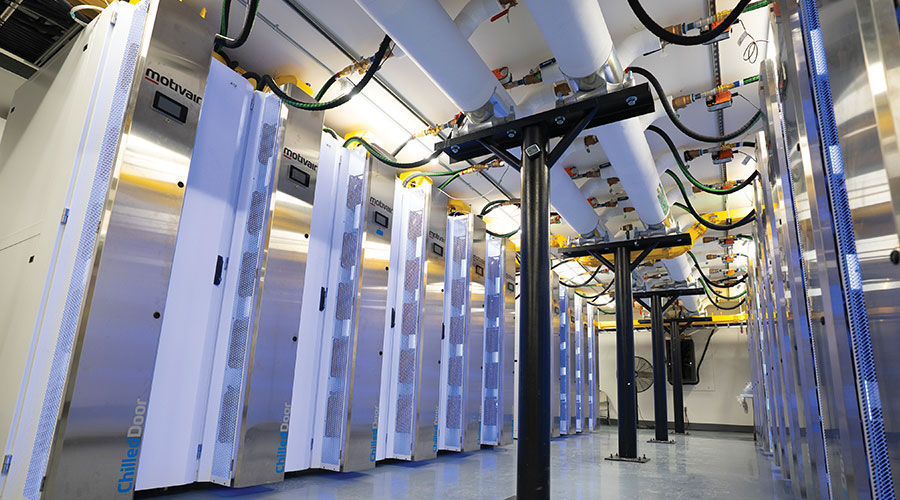
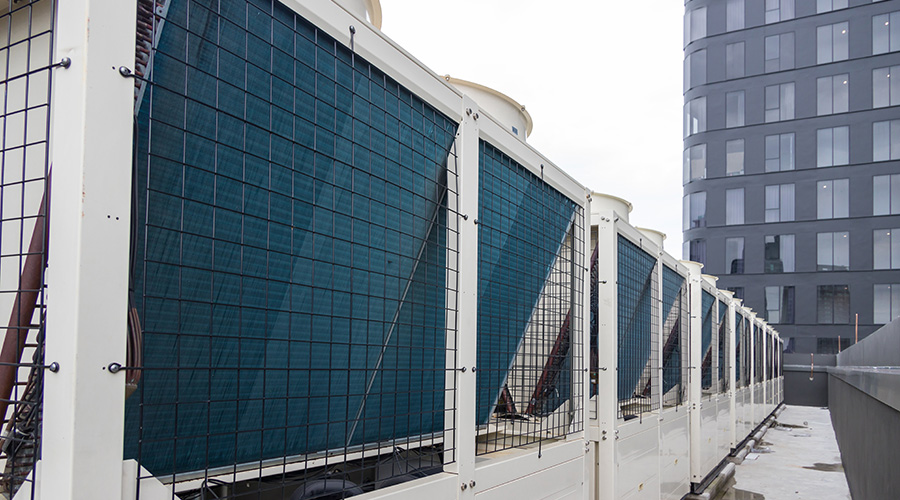
Most facilities are located in jurisdictions with maximum decibel tolerances at the property boundaries, so sound mitigation is routinely incorporated into facility design. Backup generators and cooling equipment typically are the biggest noise producers, which means mitigation typically starts with the manufacturer. Site developers and designers work with suppliers to build quieter, better insulated and less disruptive equipment.
Another strategy designers use to reduce noise is to deliberately oversize equipment. When the load is lighter than capacity, generators and cooling systems do not have to work as hard, which helps them run quieter and more efficiently.
Sound containment structures, baffles and noise screens are common acoustic design strategies, as is using the structure’s orientation to reduce disturbance. Building high soil berms and planting rows of trees also helps mitigate sound and aesthetic concealment, which helps the facility blend into its surroundings. All of these commonly utilized strategies for noise mitigation are likely to be more popular in the future.
Designing for Adaptability
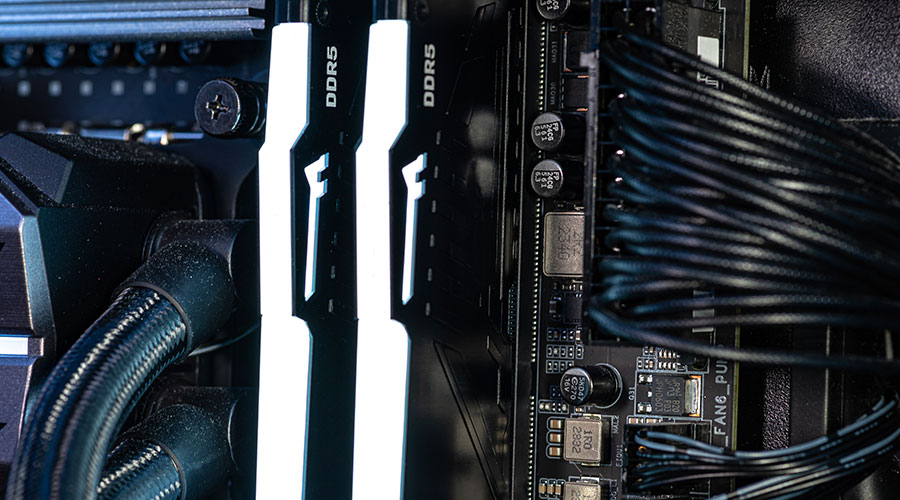
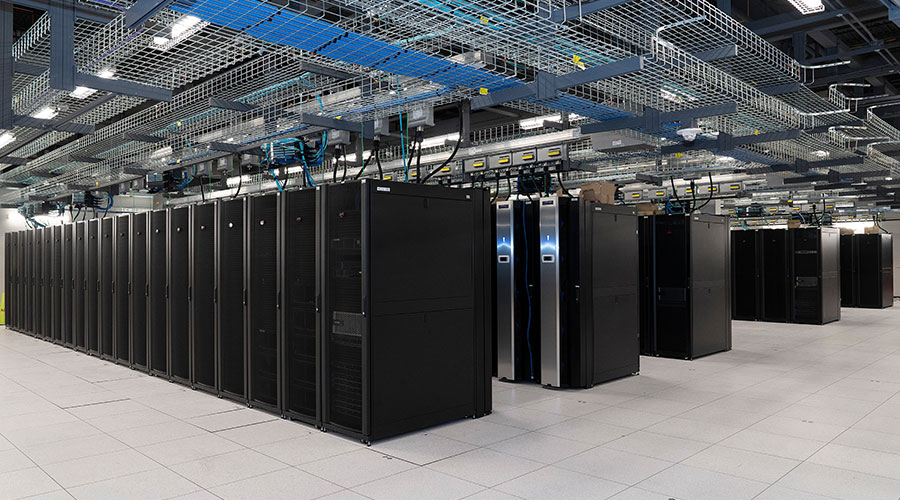
Planning for an evolving future is one of the most important aspects of sustainable data center design. Not only is the hardware becoming smaller and increasingly dense with every iteration, but the buildings themselves are constantly being reconfigured and retrofit to meet tenant needs. With average expected lifespans of 30 years, data centers need to be agile to stay competitive with hardware refreshes on a three- to five-year cycle.
Adhering to industry standard specs for equipment and thoughtfully engineering power and cooling infrastructure for modular, adaptive reuse can drastically reduce waste from discarded hardware and lower reconfiguration costs.
The power of predictive modeling
Because of long lead times, most data center equipment must be ordered before designs are finalized. Designers use this as a strategic advantage. It is an opportunity to model, test and optimize potential designs during the concept phase.
Using energy, acoustic and construction modeling software, engineers can forecast the way a facility will operate throughout the year. Combined with an integrated design process that brings all disciplines to the table from the start, this modeling allows for deep collaboration early in the design process to test scenarios, predict obstacles and make more confident decisions faster.
For example, virtually testing scenarios like relocating steel columns, moving expansion joints and adjusting sound baffles helps design teams predict and achieve more efficient outcomes, reduce rework and provide empirical data to make better decisions earlier. Each choice can be thoughtfully considered and thoroughly vetted based on a broad perspective and various points of view to better understand the impact before it is put into place.
Proactive regulatory alignment
Planning for the future includes proactively adopting industry guidance and standards, even if they are not yet mandated. Getting ahead of compliance is much easier and more efficient than playing catch-up. The American Society of Heating, Refrigerating and Air-Conditioning Engineers (ASHRAE) plays a major role in setting standards and best practices for energy-efficient HVAC, thermal and humidity management.
More broadly, the Open Compute Project has multiple working groups of global industry leaders who collaborate to share strategies and standardize data center design. This includes everything from small details like establishing standard rack dimensions to networking best practices.
Working with a design team that participates in these communities and stays current on emerging guidance streamlines project development and compliance for years to come.
Designing for co-habitation
Data centers increasingly underpin so much of people’s daily lives, from facilitating streaming entertainment, social media, video calls and online shopping to medical records, weather modeling, and 911 dispatch and emergency response. High-performance computing is a utility in the modern world that people rely on in the same way they rely on electricity, natural gas and phone service.
Just as other industries have evolved to become better cohabitants of the land, data center operators are consciously working to improve their footprint by adopting new sustainable technologies and innovations in response.
Having a design team that has helped steer the sustainability evolution in other industries is a competitive advantage. An integrated, collaborative team can apply the knowledge and innovations they have developed for other mission-critical and commercial design projects to accelerate the path to sustainable data center coexistence by delivering economic and lifestyle advantages. Working together, designers, engineers and developers can build a better future for people, the technology they rely on and the planet.
Julia Diaz, P.E., is a mechanical engineer for the mission critical sector at HED, an architecture, engineering and design firm.
Related Topics: