We are pleased to offer the following videos and webcasts, which all qualify for one hour of continuing education credits. By successfully answering four true/false questions, attendees will receive a transcript indicating the CEUs earned. This transcript can be used for self-reporting to any necessary licensing body or association.

Misreading a conversation or delivering feedback the wrong way can quietly erode trust—or drive away skilled workers.

For facility managers, energy decisions are no longer just about cost—they’re about continuity, risk, and long-term performance.

What happens when a system fails isn’t just about the equipment—it’s about the decisions made long before it ever went online.

With so much hype surrounding artificial intelligence, it’s easy for facility teams to feel overwhelmed or even skeptical.

The Women Who Make it Work panel at NFMT East in Charlotte offers facility professionals something often missing from technical sessions: unfiltered insight into the human side of managing buildings and teams.

Without a culture built on values and leadership consistency, performance simply won’t hold.
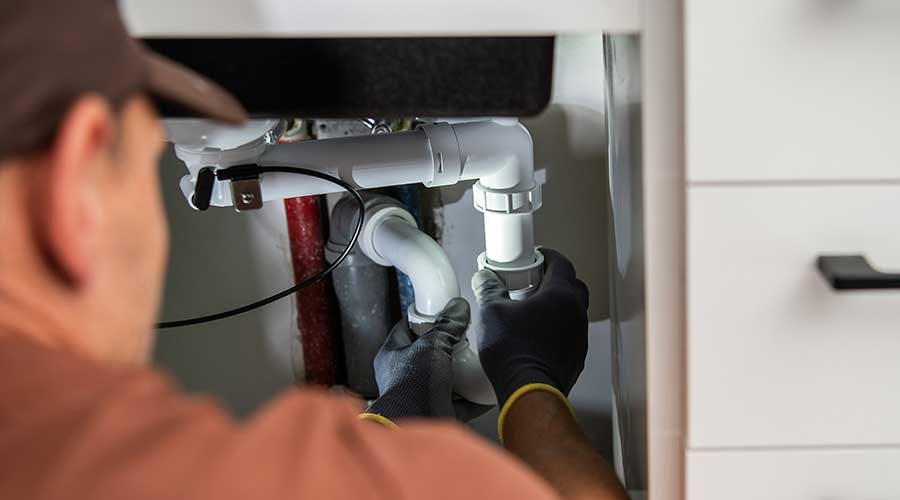
In order to strengthen both sustainability and performance in plumbing systems, facilities managers must prioritize durable, recyclable materials, adopt proactive maintenance strategies and leverage new protective technologies.

Facilities leaders must treat workplace violence as a critical operational risk by strengthening emergency planning, training and response protocols to protect occupants and reduce liability.
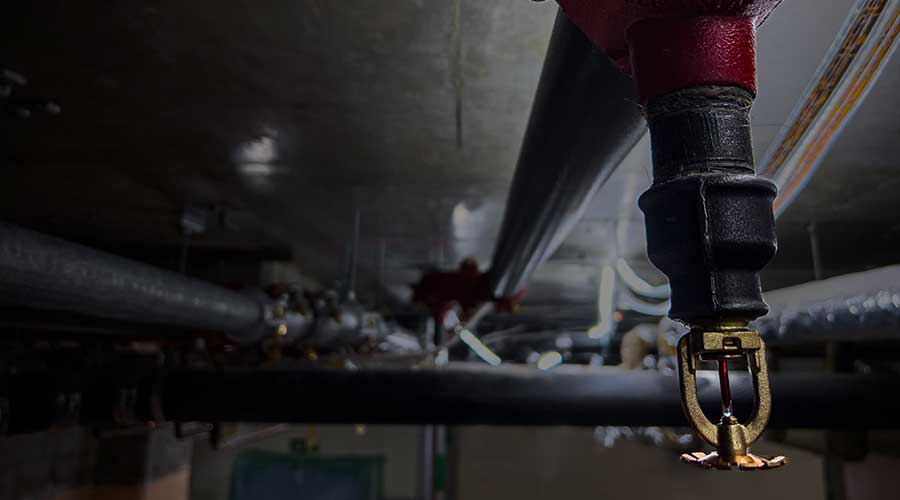
Facilities managers are accountable for NFPA 25 compliance and must build the technical knowledge to distinguish inspection, testing and maintenance in order to address issues before they lead to safety risks, fatalities or legal consequences.

This video features a presentation and case study on the challenges of managing underground utility infrastructure in large facilities, particularly university campuses.

Overview of electronic leak detection (ELD) methods and how they work in roofing and waterproofing.

Why AI success in buildings starts long before analytics — at the design table, with clear data standards, defined outcomes and owner-driven requirements.

A facilities technology expert breaks down why most AI initiatives in facilities management fail — and argues the real opportunity isn’t in buying tools, but in fixing the data that powers them.

A cybersecurity expert walks facilities professionals through how building management systems (BMS) are increasingly targeted by attackers — and what practical steps teams can take to identify vulnerabilities, respond to breaches, and strengthen defenses.
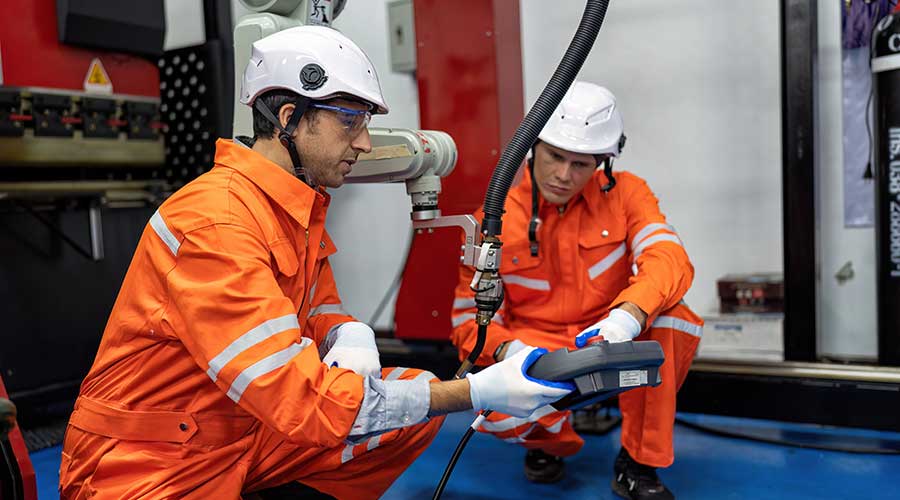
The key to unlocking significant energy savings and performance gains is for facilities managers to prioritize operational excellence before turning to costly capital upgrades.

Facilities managers can overcome reactive building operations by moving toward centralized, integrated platforms that enable real-time monitoring and coordination.


