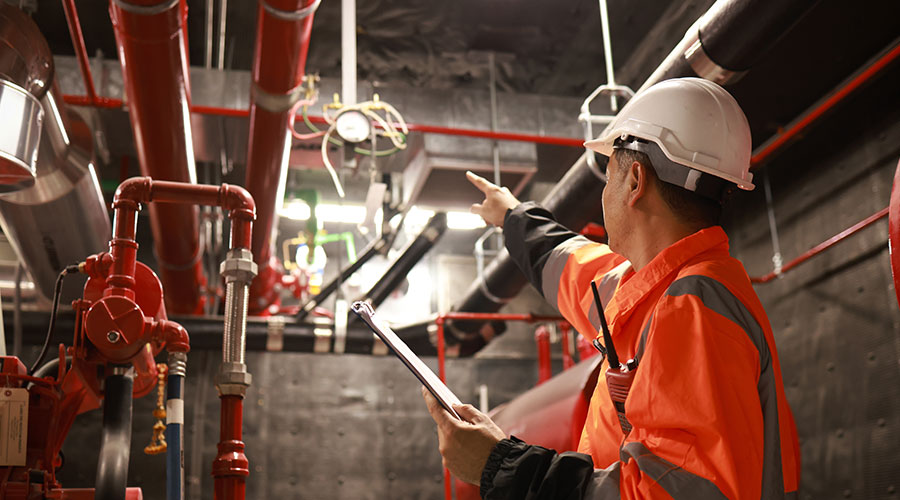
Fire Safety: The Goals of Visual Inspections
Inspecting, testing and maintaining fire-alarm and detection systems is essential for ensuring the systems' operational status. These activities are necessary to maintain system integrity and make sure the system operates as installed. They also can identify issues maintenance and engineering managers must resolve for the system to adequately protect facilities, assets, and occupants.
Key elements of a comprehensive inspection program for fire-alarm and detection systems include visual inspections, system testing, maintenance, and records.
Inspection Insights
Visual inspections ensure no changes to the system or related equipment affect system performance. Inspectors should visually inspect:
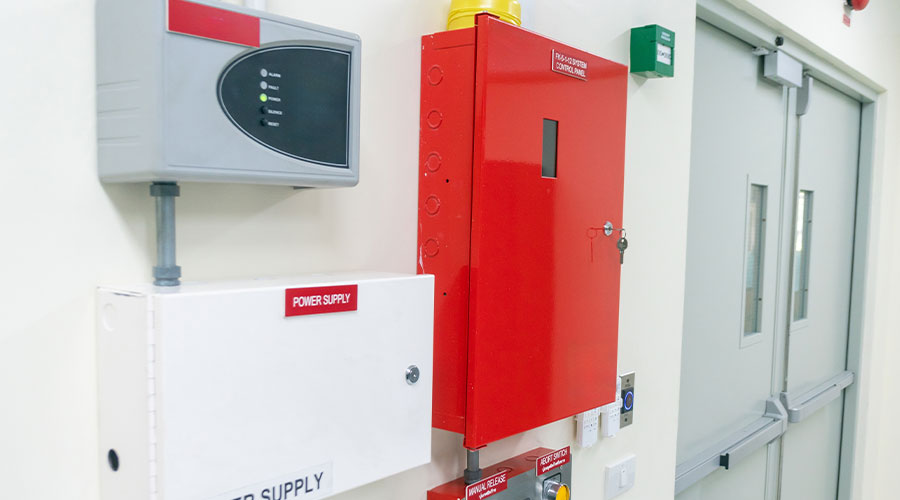
- fire-alarm control units and their components
- remote annunciator panels
- initiating devices, including smoke detectors, heat detectors, fire-alarm boxes, fire detectors, and water-flow devices
- alarm-notification appliances, including fire-alarm strobes, horns, and speakers.
The goal of the inspections is to identify problematic conditions, such as: missing, damaged, or obstructed appliances; wiring disconnected at fire-alarm panels; and trouble status indications at the fire-alarm control unit.
Related Topics: