Adaptive Reuse: Highest-Level Maintenance
Maintenance and engineering managers in many institutional and commercial facilities face the daily challenge of simply keeping a building — and often many buildings — safe and operational.
By Dan Hounsell, Senior Editor
The quote struck me when I first heard it, and it has since come back to me several times:
“There is nothing greener than a building that's been standing there for 100 years, 120 years, to give it another 100 years’ worth of life.” The speaker is a principal of an architecture firm that’s deeply involved in an adaptive reuse project to update the 120-year-old Taft Hotel in Portland to meet the needs of 21st Century travelers.
The reason his words resonated with me so deeply is that while building owners, architects and real estate developers tend to see adaptive reuse largely through the lens of sustainability, the practice is also the epitome of building maintenance.
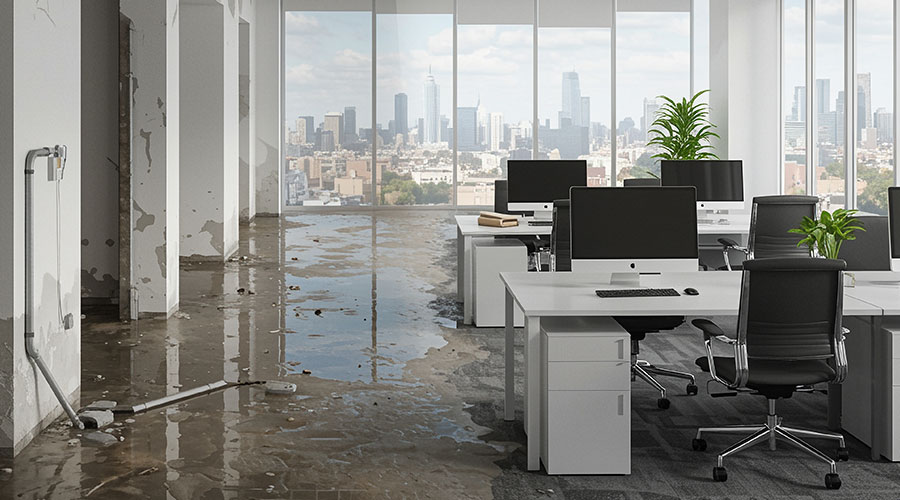
You could argue that there’s no higher level of maintenance than renovating and repairing an entire facility — one whose systems, components and materials likely have seen much better days — so it can effectively serve a modern purpose in like-new condition, free of the long-deferred repairs that probably plagued it for decades.
Maintenance and engineering managers in many institutional and commercial facilities face the daily challenge of simply keeping a building — and often many buildings — safe and operational. To them, just the thought of upgrading every rundown, inefficient component and system in a 50-year-old public school or commercial office building must seem like a dream.
That dream might seem out of reach for many managers, but it’s heartening to know that adaptive reuse is giving more managers the opportunity to oversee a facility without the full burden of a massive maintenance backlog.
Dan Hounsell is senior editor for the facilities market. He has more than 30 years of experience writing about facilities maintenance, engineering and management.
Related Topics: