
The key to unlocking significant energy savings and performance gains is for facilities managers to prioritize operational excellence before turning to costly capital upgrades.

A cybersecurity expert walks facilities professionals through how building management systems (BMS) are increasingly targeted by attackers — and what practical steps teams can take to identify vulnerabilities, respond to breaches, and strengthen defenses.

Why AI success in buildings starts long before analytics — at the design table, with clear data standards, defined outcomes and owner-driven requirements.

Overview of electronic leak detection (ELD) methods and how they work in roofing and waterproofing.
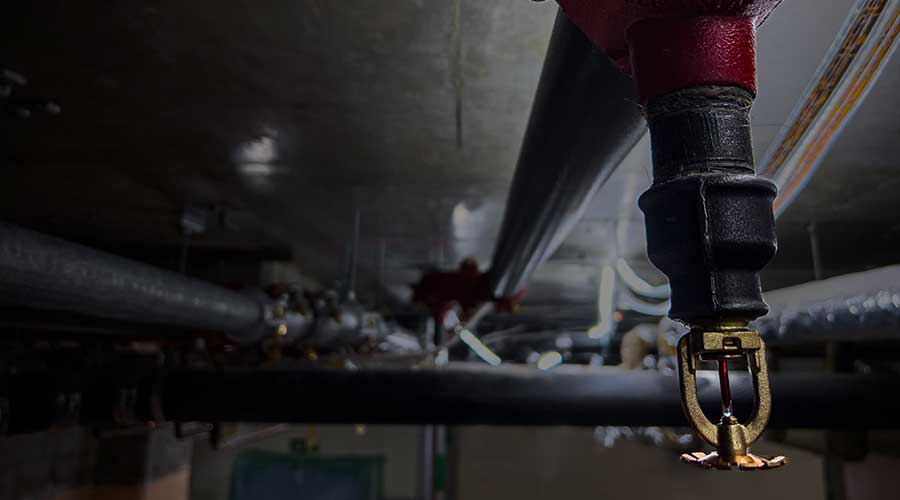
Facilities managers are accountable for NFPA 25 compliance and must build the technical knowledge to distinguish inspection, testing and maintenance in order to address issues before they lead to safety risks, fatalities or legal consequences.
Facilities leaders must treat workplace violence as a critical operational risk by strengthening emergency planning, training and response protocols to protect occupants and reduce liability.
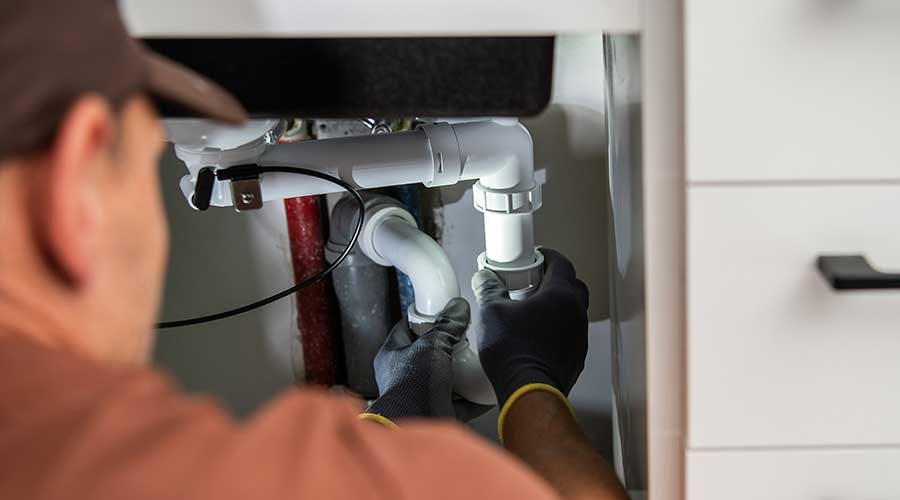
In order to strengthen both sustainability and performance in plumbing systems, facilities managers must prioritize durable, recyclable materials, adopt proactive maintenance strategies and leverage new protective technologies.

What happens when a system fails isn’t just about the equipment—it’s about the decisions made long before it ever went online.

For facility managers, energy decisions are no longer just about cost—they’re about continuity, risk, and long-term performance.


