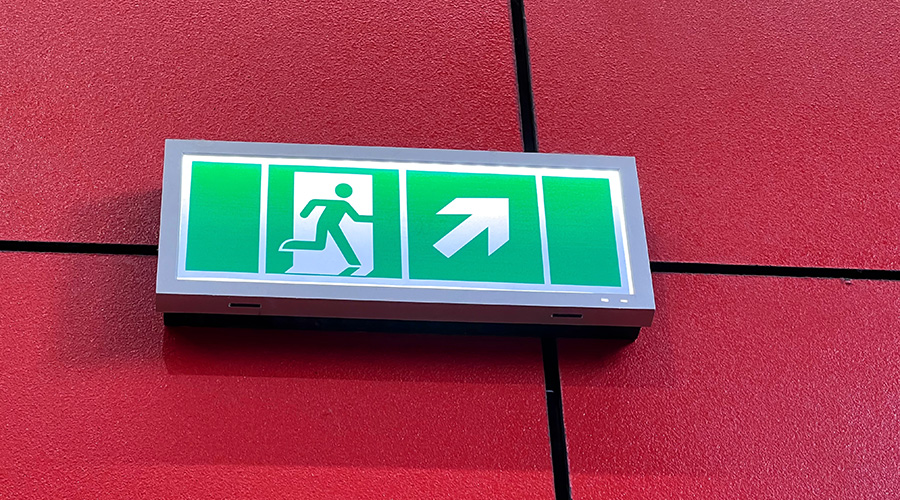
As codes tighten and fire risks evolve, facility managers are carrying more responsibility than ever.
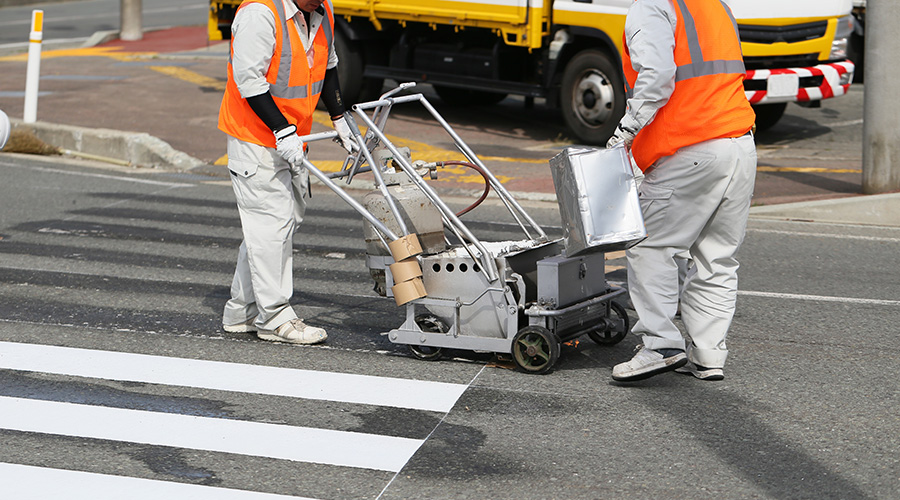
Benchmark’s experts break down the real reasons pavements fail—and they’re rarely what your contractor tells you.

Electricity prices are rising and it’s not simply because facilities are using more energy.

David Trask examines how rapid tech shifts, labor shortages and outdated infrastructure are reshaping the work of today’s facility managers.
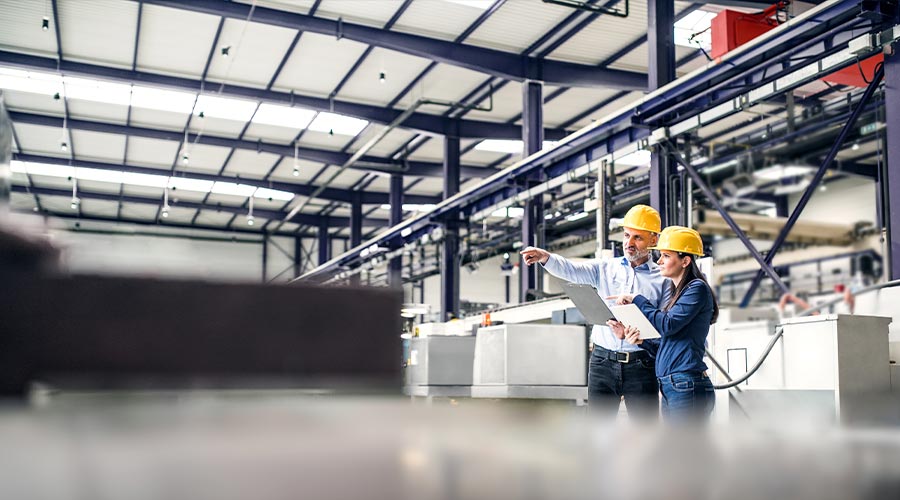
The consequences of lockouts remain one of OSHA’s most-cited safety failures and the consequences can be felt immediately and are at times irreversible.

Artificial intelligence won’t replace technicians, but the facility managers who learn to use the technology will inevitably run circles around those who don’t.

The fastest way to earn a real seat at the table is consistent communication and visual storytelling that makes consequences impossible to ignore.

Most commercial buildings weren’t designed for efficiency – and facility teams inherit the consequences.

Despite political shifts and regulatory delays, the Americans with Disabilities Act remains fully in force, and those who think otherwise may be putting their organizations at risk.

Facility work is often invisible, even to students choosing career paths – then offers concrete ways to build a pipeline and improve retention.

AI can improve predictive maintenance, but data governance will decide whether you’re allowed to deploy it at all.

If your default setting is “fix it myself,” you’ll fail at delegation, burn out your best people and starve the middle 30 percent of growth.

Kim Nance, Maureen Roskoski and Keri Steers give an unfiltered look on what it takes to lead in facilities management.


