Restroom Renovations: Employ Life-Cycle Cost Analysis
Perhaps the most common challenge managers face when undertaking a restroom renovation is the project’s cost. Too much focus on first costs tends to result in a restroom design that fails to consider long-term operating and maintenance costs.
To develop a design that will reduce operating and performance costs without breaking the budget, managers must find a balance. This challenge is particularly difficult in restroom renovations, where managers must live with their decisions for the next 20 years.
The best way to overcome this problem is to use life-cycle costing. For any restroom project, life-cycle costs include the initial purchase and installation costs, as well as all operating and maintenance costs over the service life for the restroom.
Managers can use many different techniques to determine life-cycle costs, so it is important to use the technique for every major component being installed in the restroom. Initial costs will be higher for many components selected for long-term performance; many costing twice as much as conventional components.
But in most cases, reduced operating and maintenance costs will help recover the additional cost within one-two years. The life-cycle costing analysis will demonstrate this result and provide the necessary balance between increased first costs and reduced operating and maintenance costs.
Finally, building codes and accessibility guidelines can create challenges for managers involved in renovations. Many local code officials are unfamiliar with or simply do not believe in some new plumbing products developed for use in restrooms.
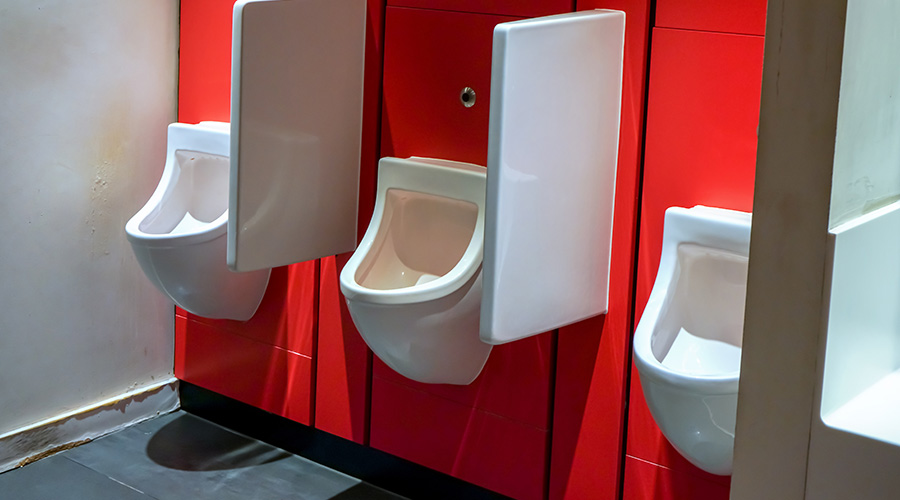
For example, not all local building codes permit waterless urinals. While the International Plumbing Code and many state-adopted plumbing codes allow these products, some local jurisdictions do not. To overcome this obstacle, managers must work with local officials. Manufacturers can provide assistance, but success depends on the level of effort the manager exerts.
James Piper, P.E., is a national facilities consultant based in Bowie, Md. He has more than 25 years of experience in facilities maintenance and management issues.
Related Topics: